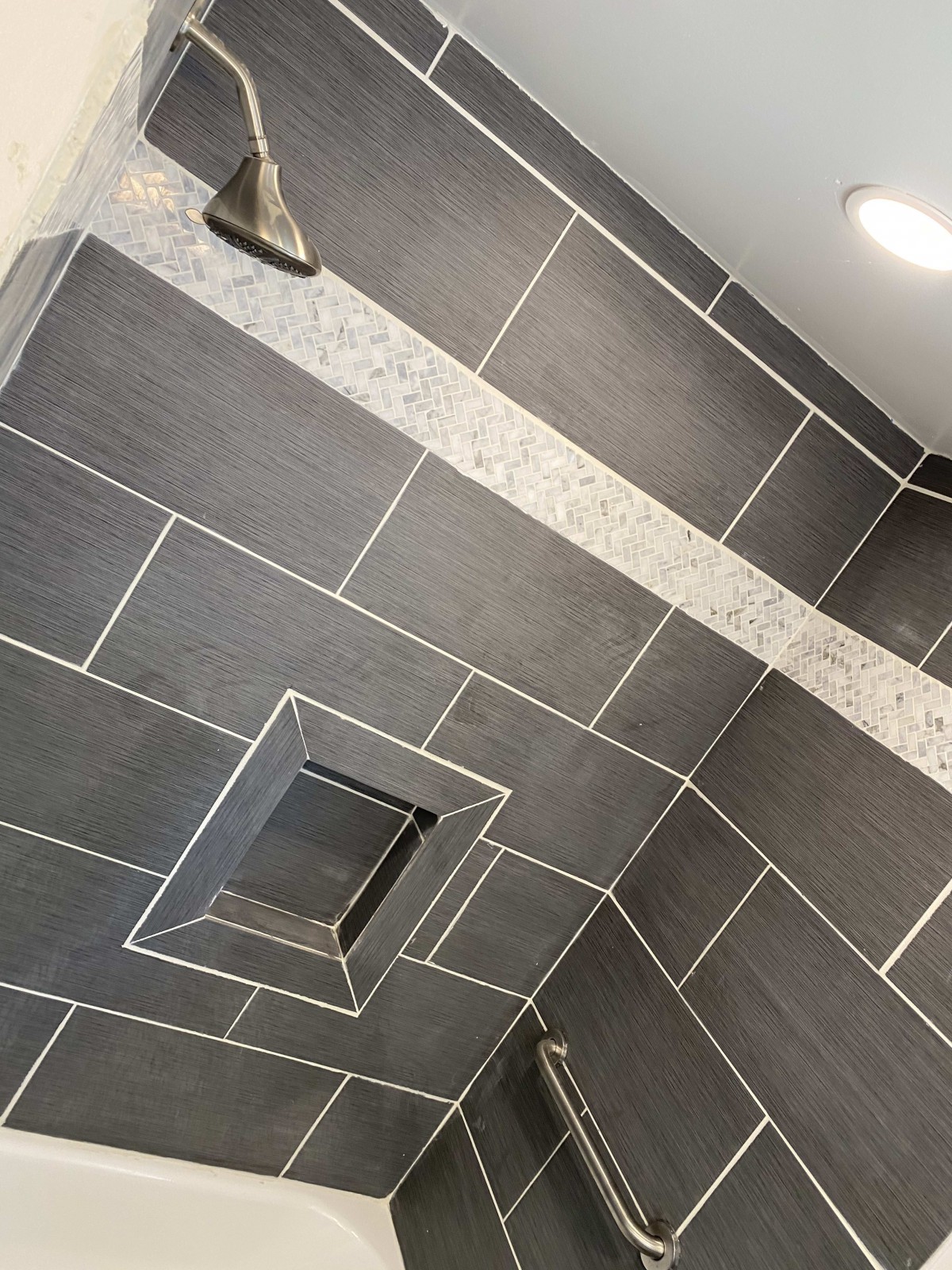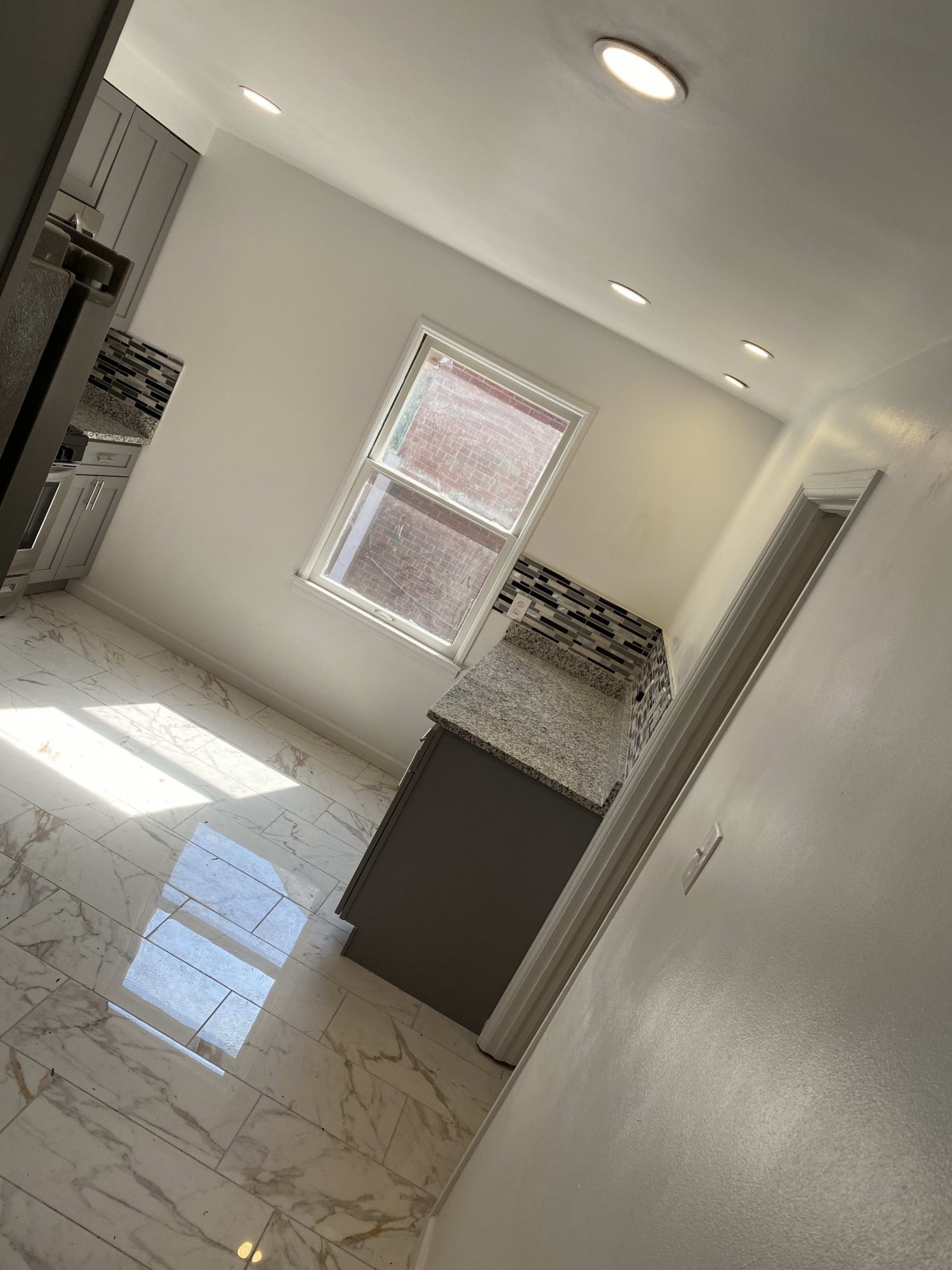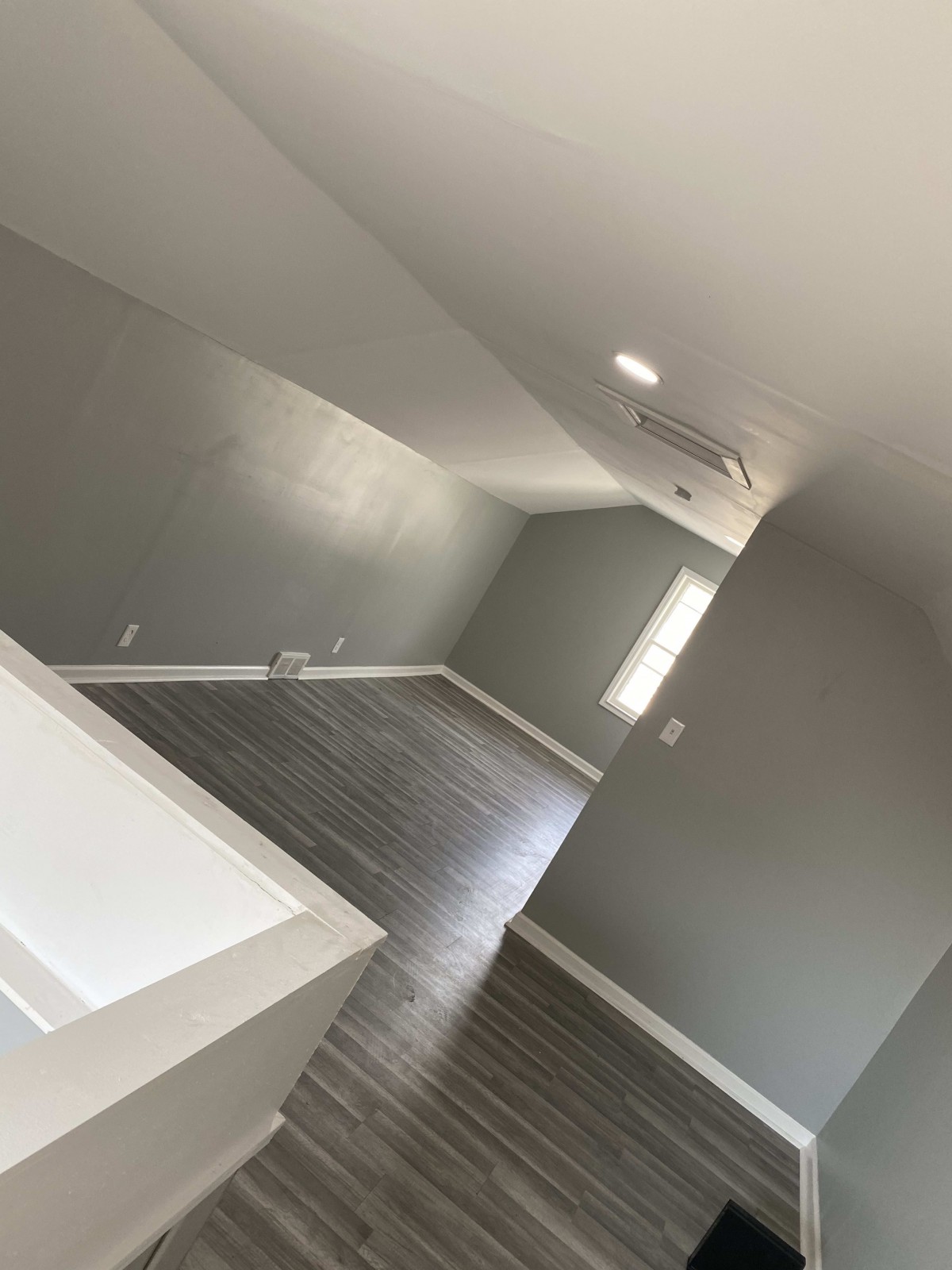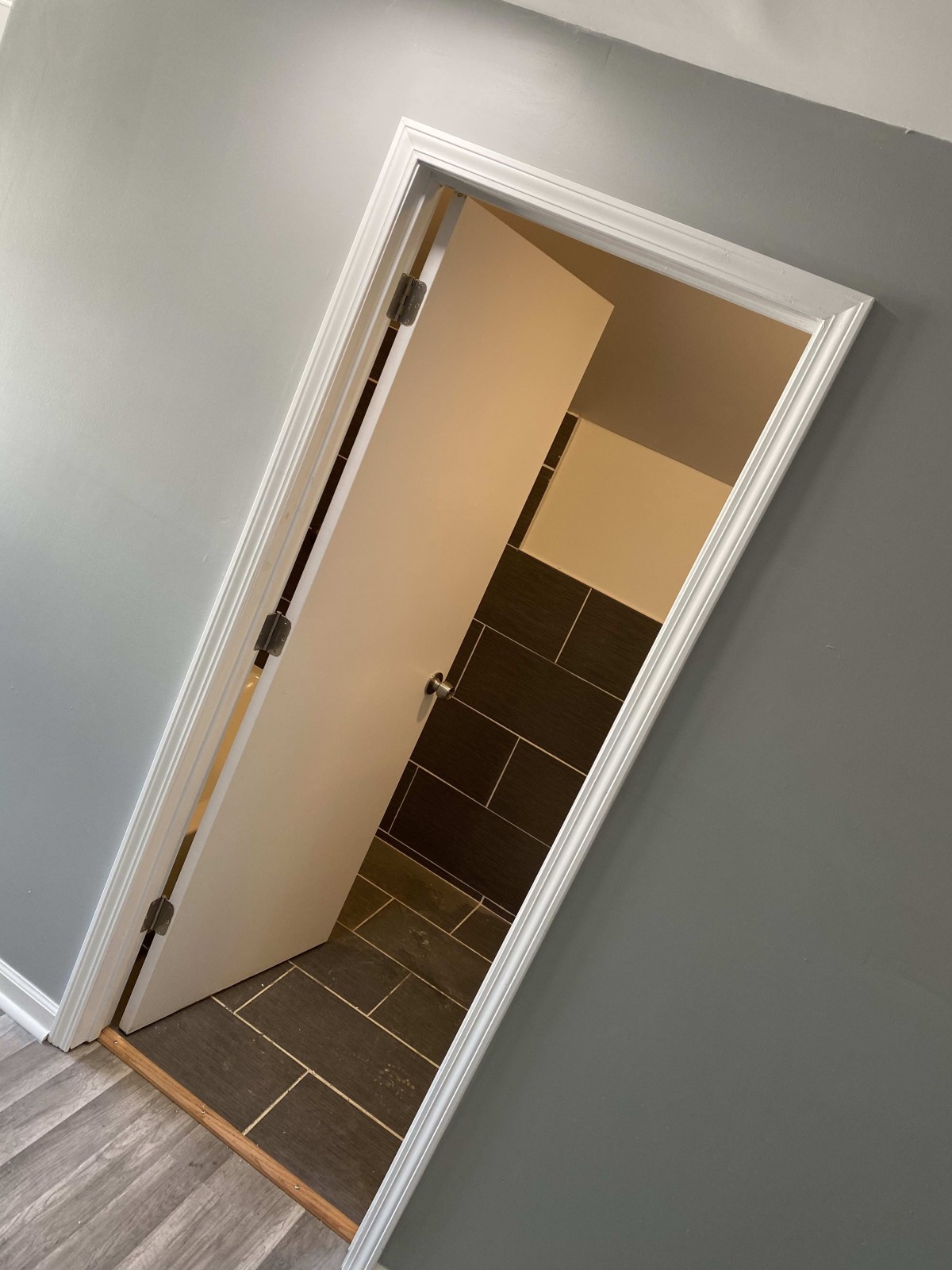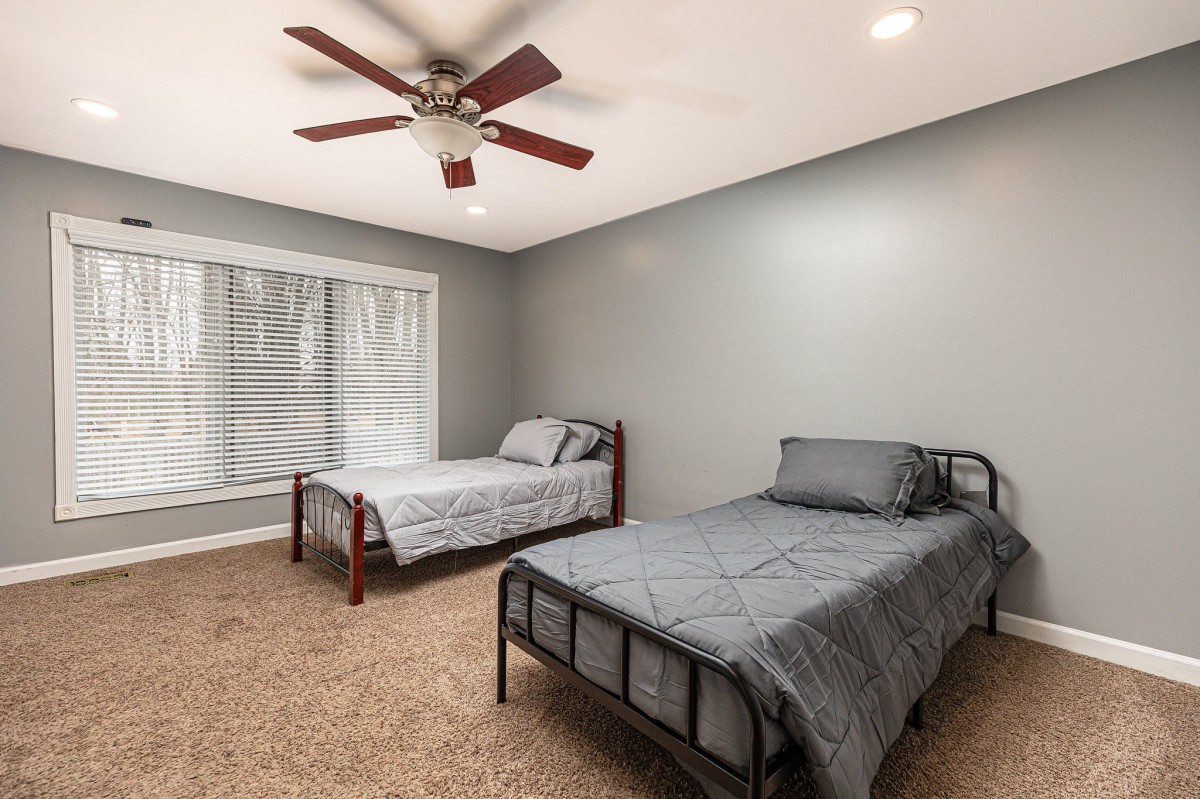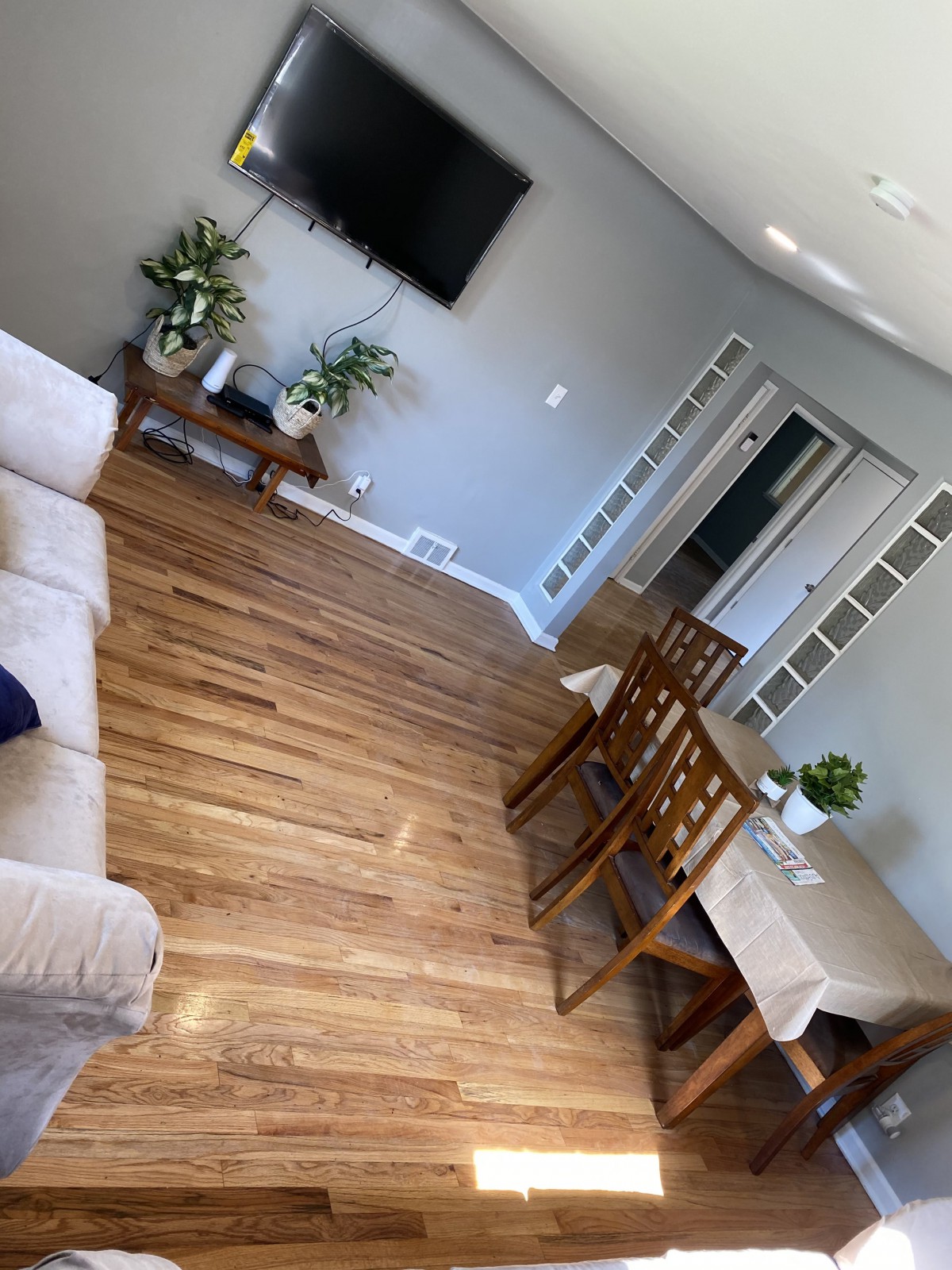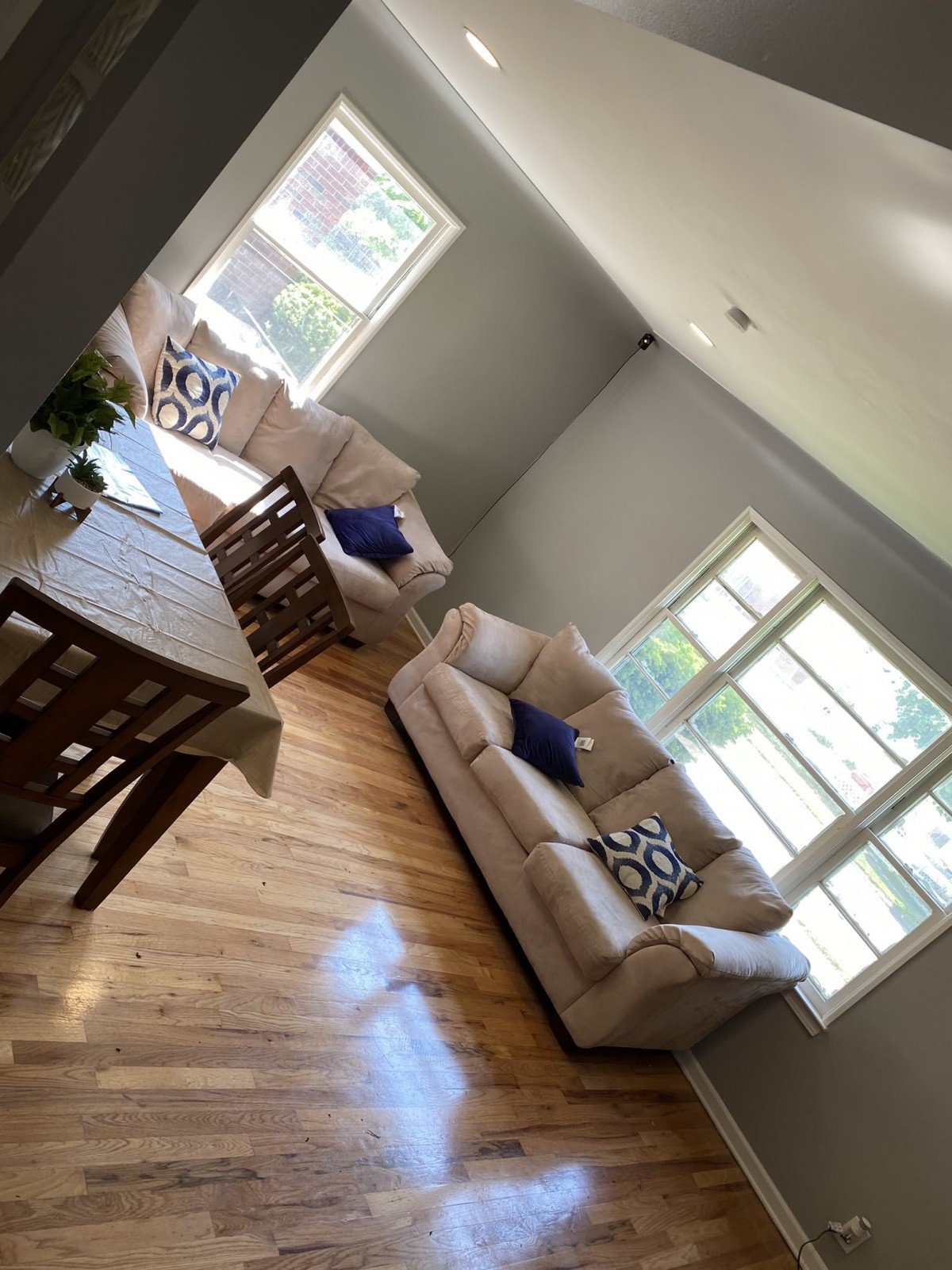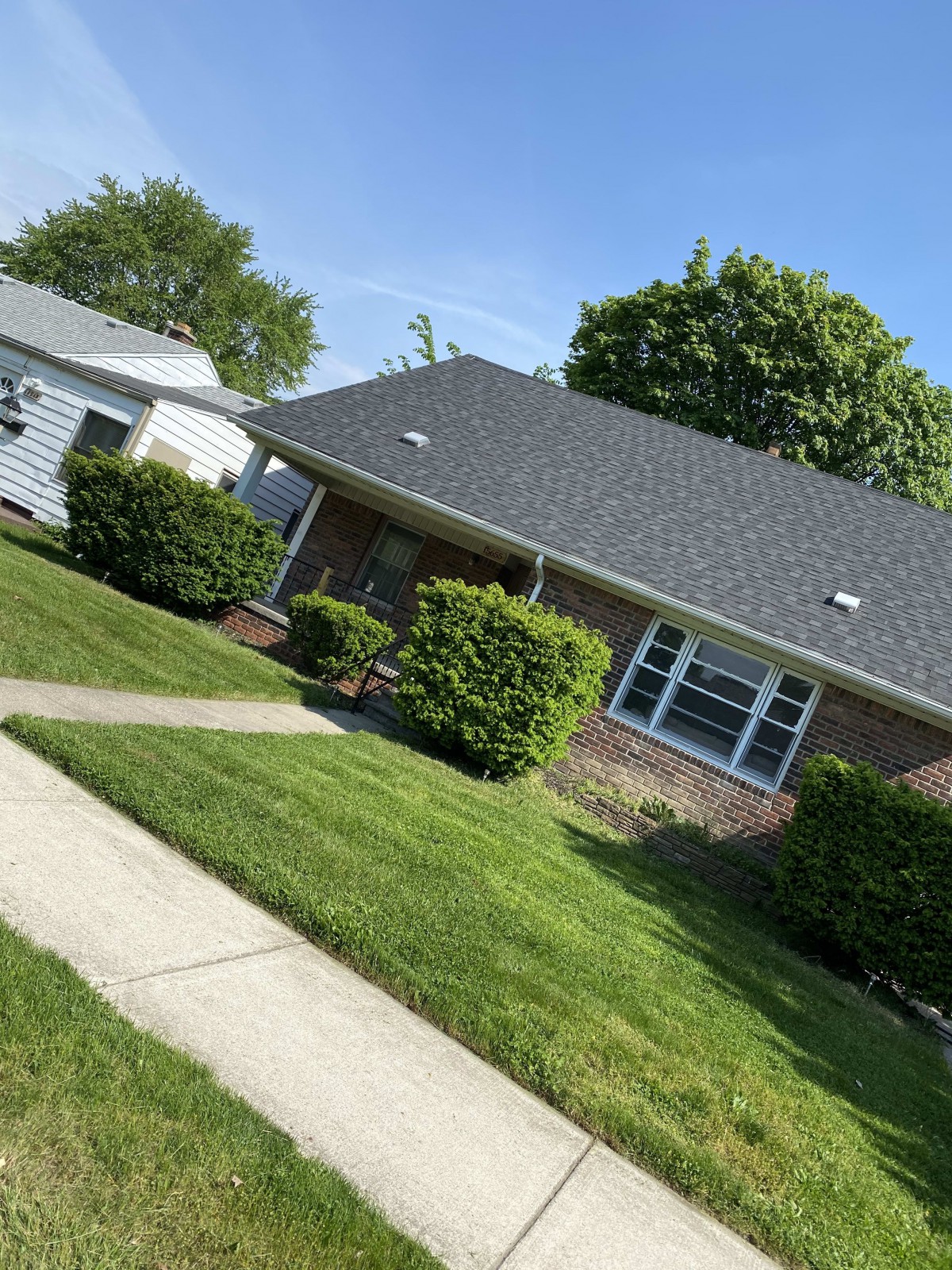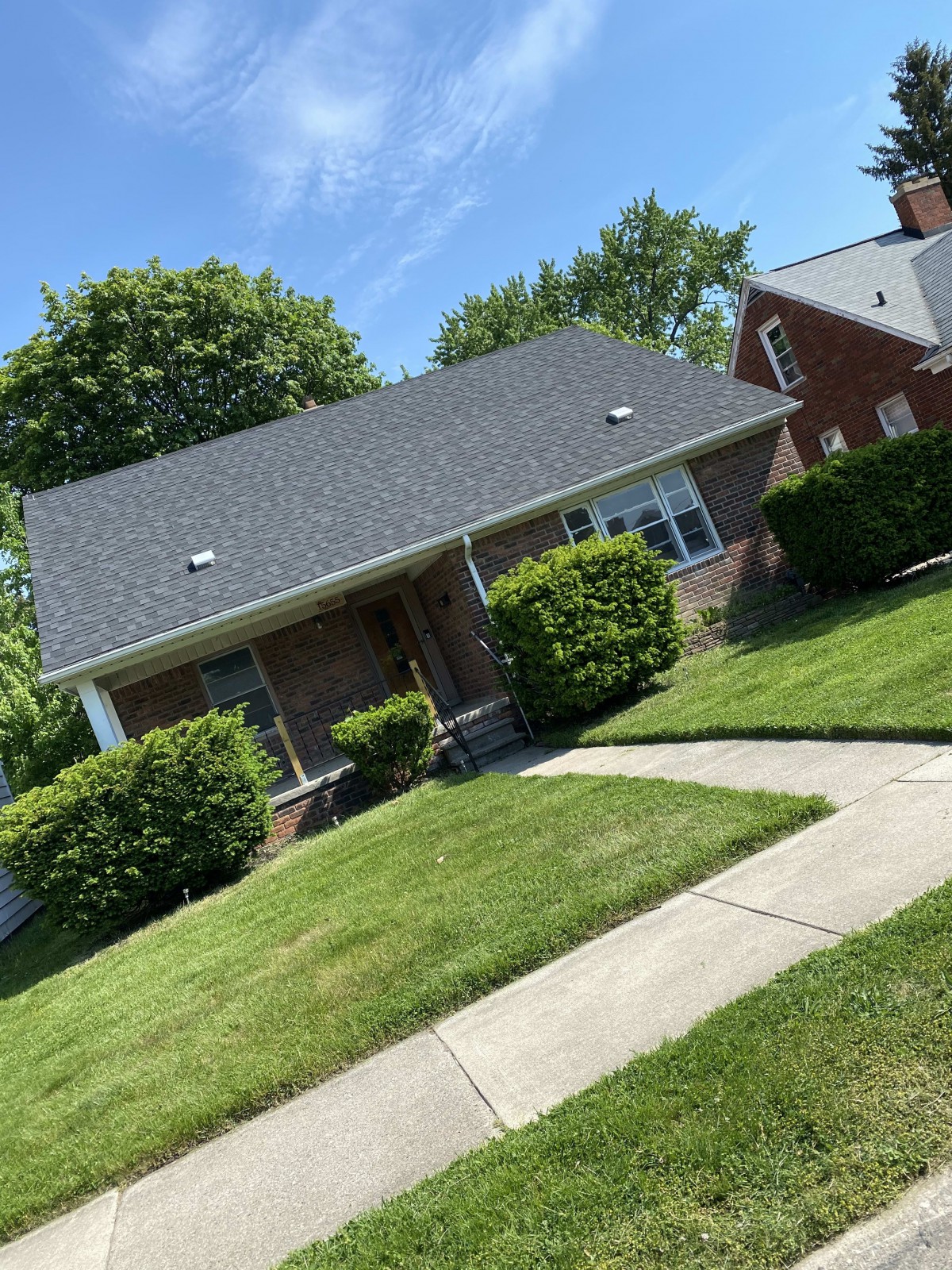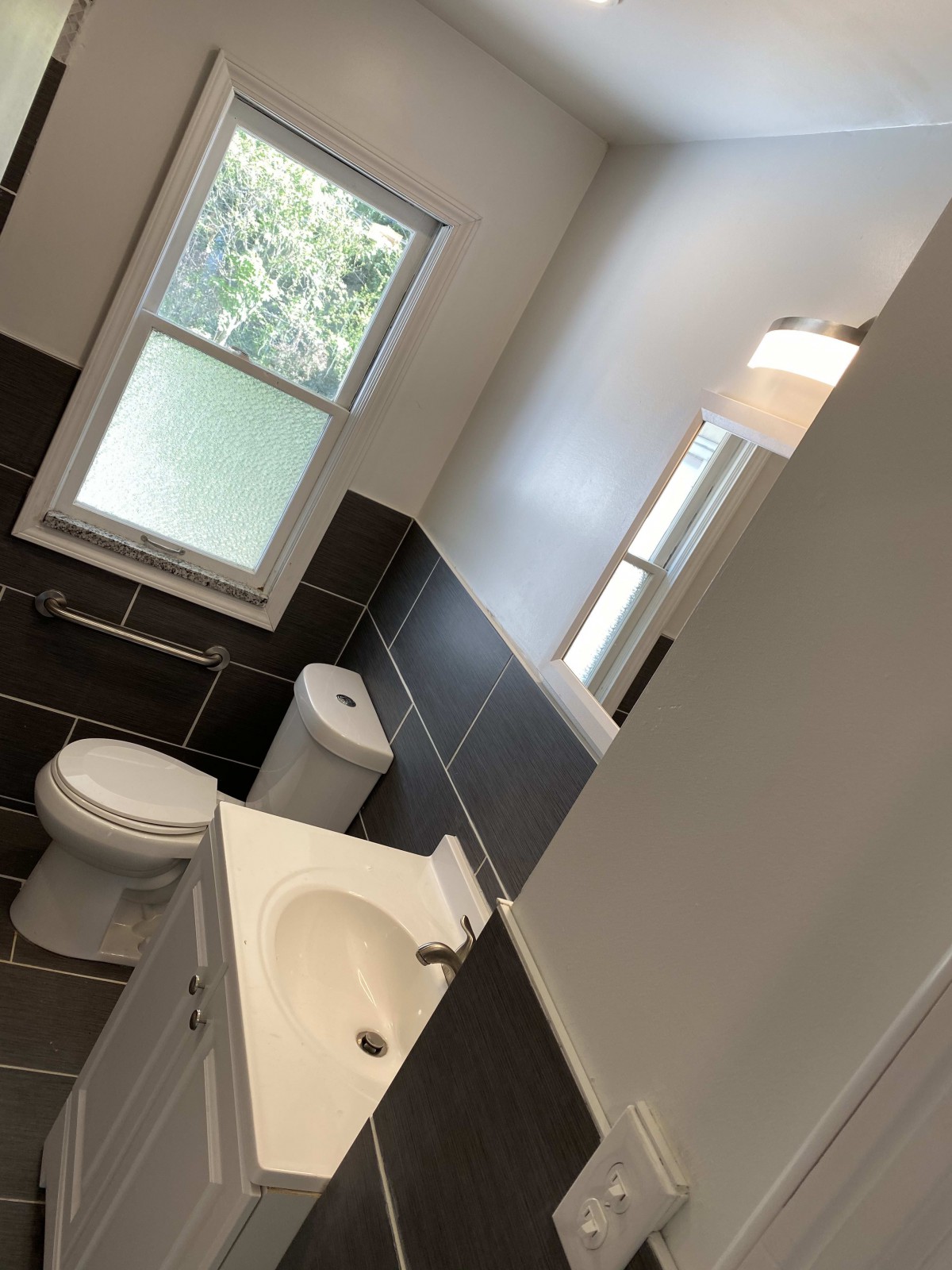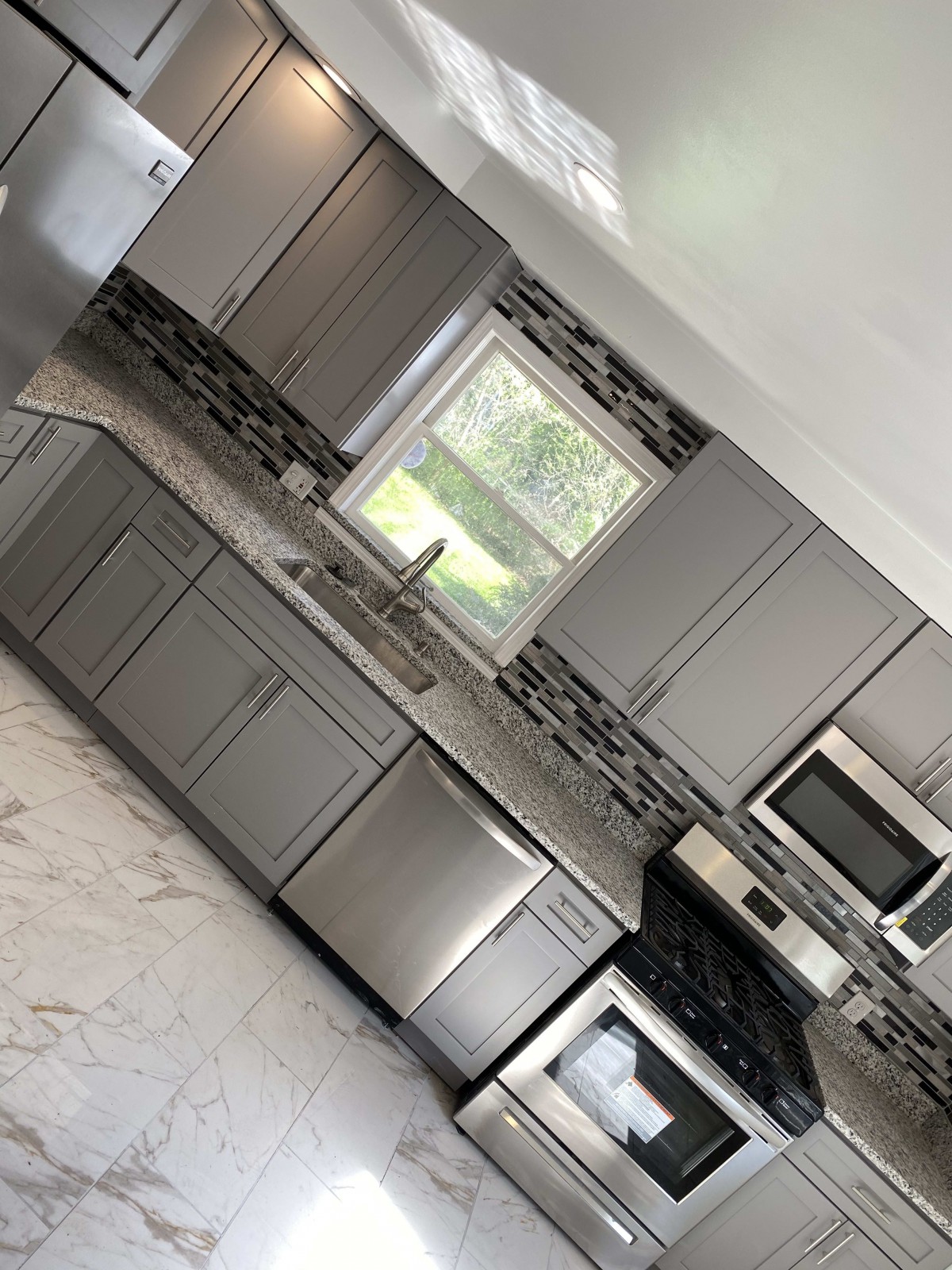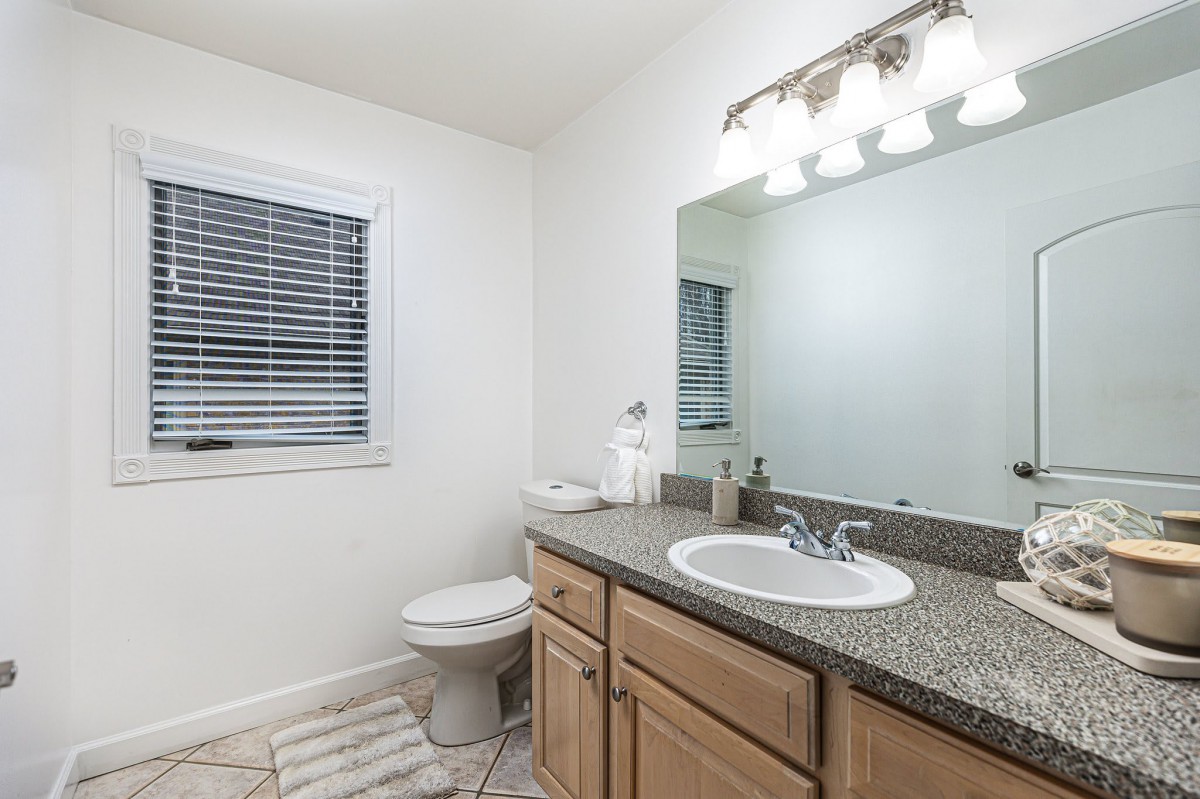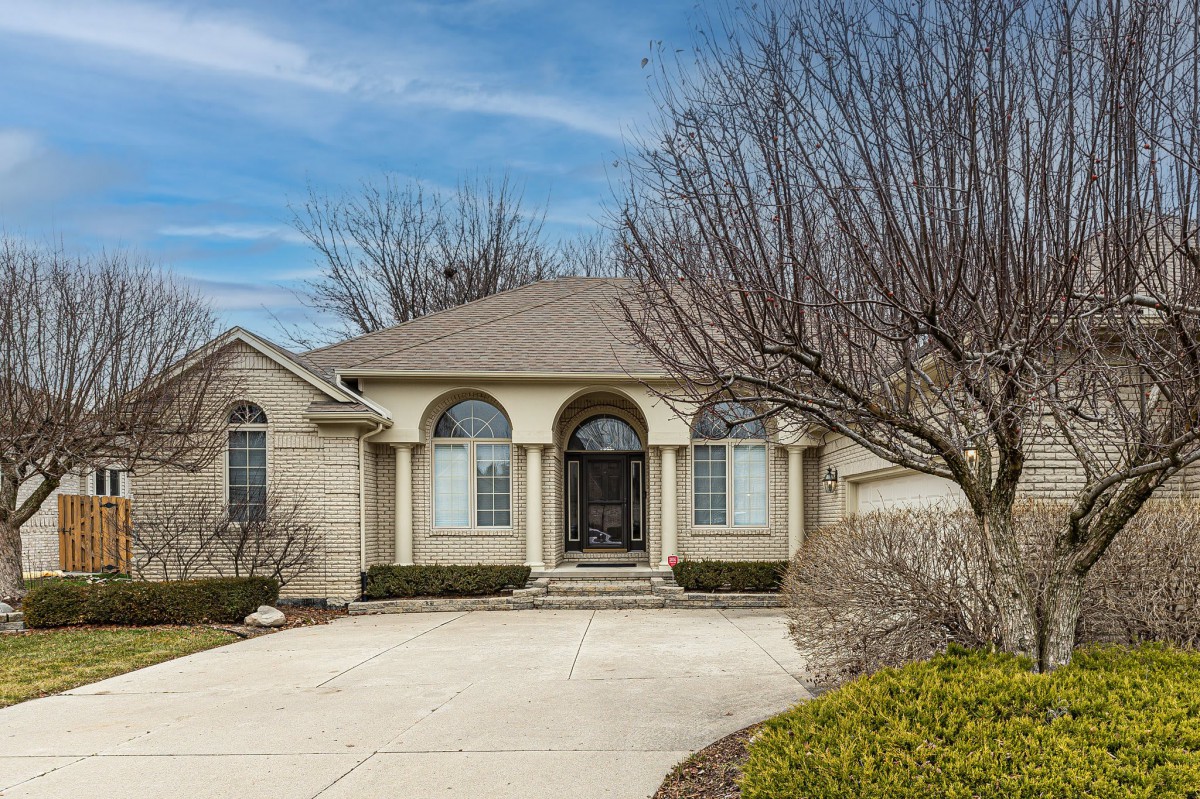
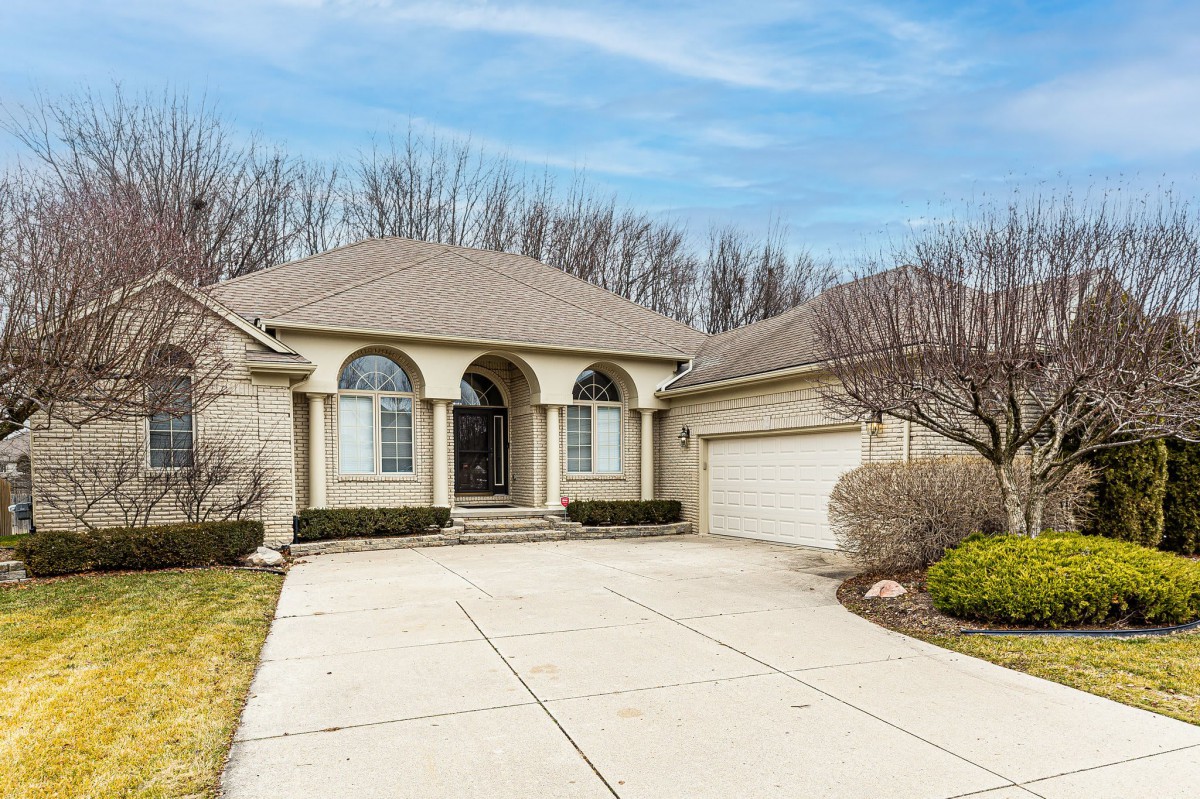
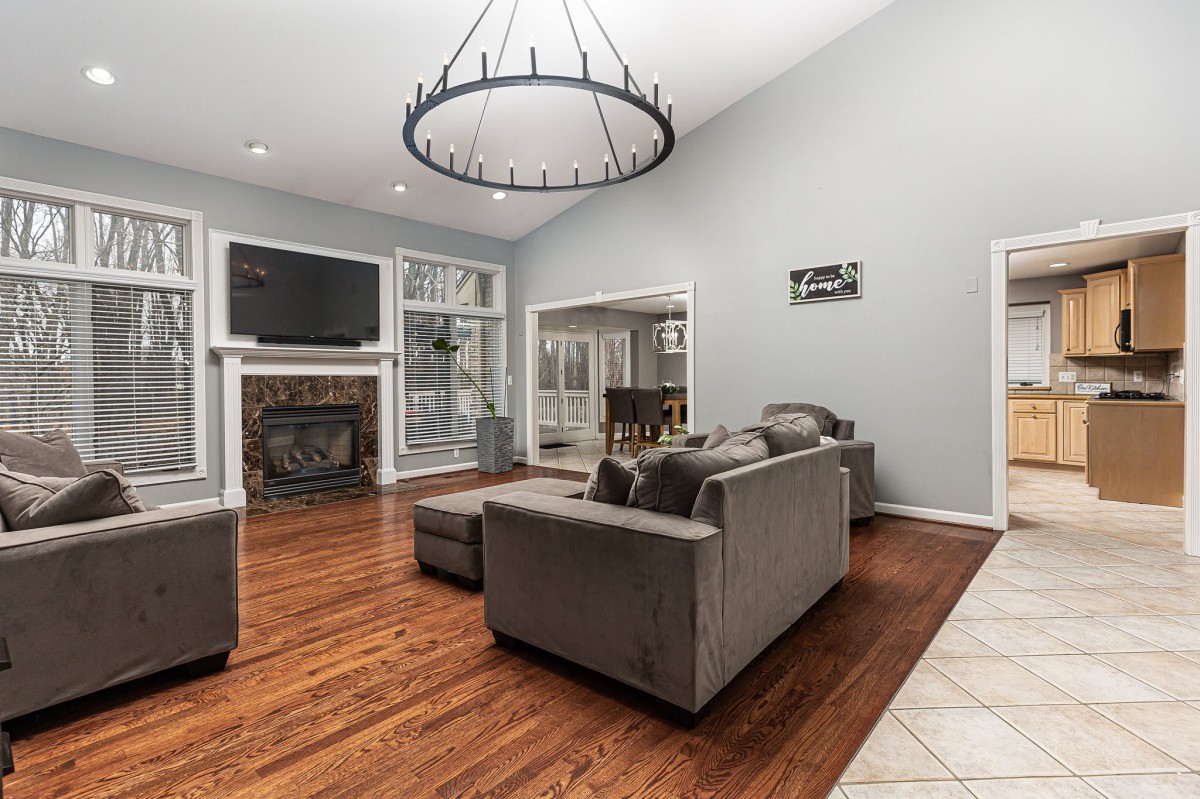
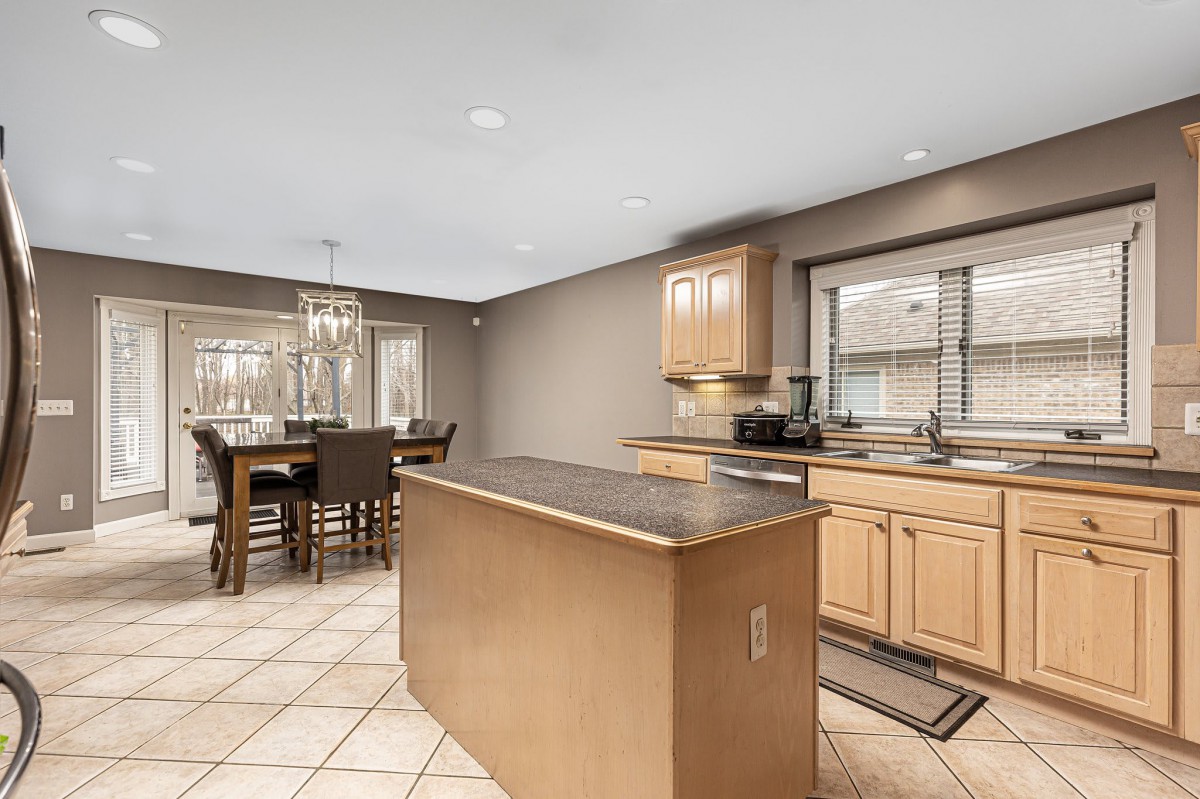
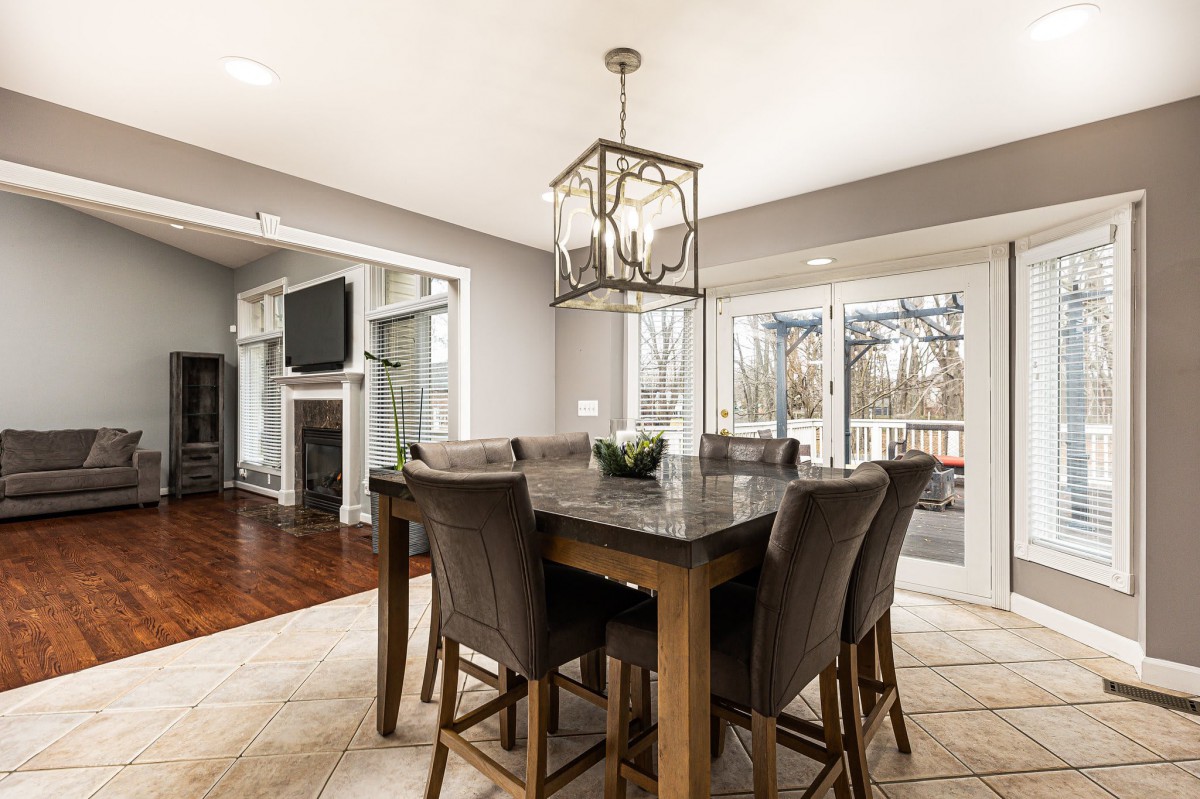
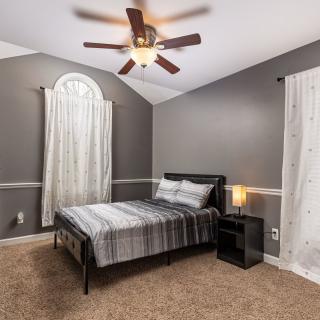
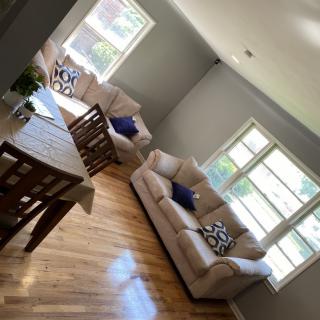
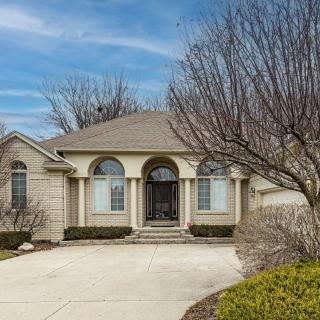
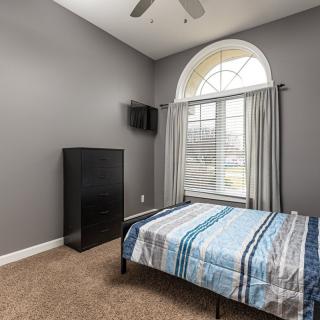
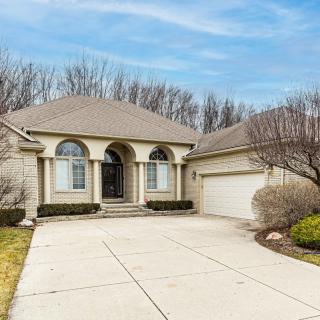
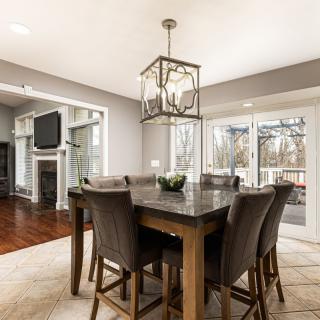
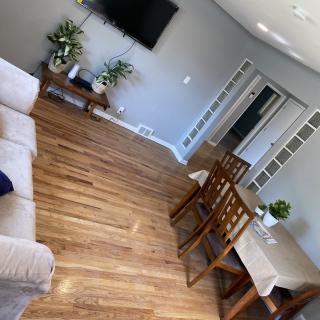
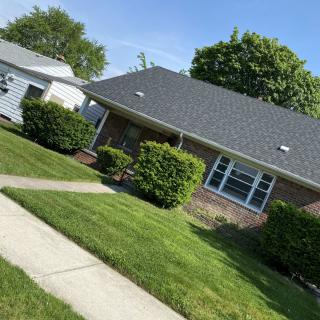
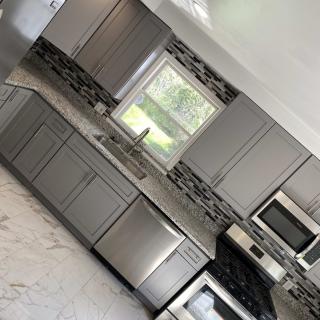
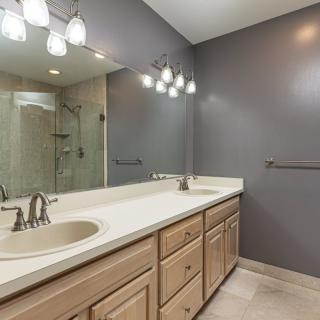
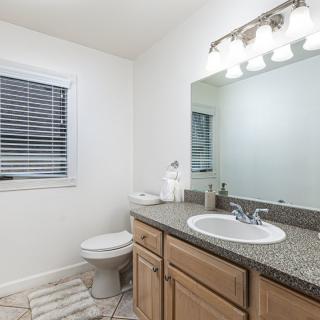
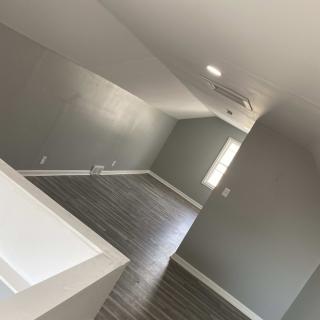
20695 Gaberty Dr, Clinton Twp, MI 48038
To contact a resident: (313) 234-3440
For more information about senior living options: (866) 208-4318
House of Caring Costs & Pricing
At House of Caring, the monthly costs for accommodations reflect a commitment to providing comprehensive care and a nurturing environment tailored to residents' needs. For semi-private rooms, prices range from $3,500 to $4,899, which is notably higher than the average costs in Macomb County ($3,232) and throughout Michigan ($3,191). Private room options at House of Caring are priced between $5,878 and $6,000, exceeding both local county ($3,567) and state averages ($3,675). Additionally, the exclusive studio option is available for $6,368 - substantially more than the Macomb County rate of $3,840 and the state average of $3,824. While these figures indicate that House of Caring operates at a premium compared to regional benchmarks, they also suggest a focus on quality care that likely justifies this investment for families seeking exceptional support for their loved ones.
| Floor plans | House of Caring | Macomb County | Michigan |
|---|---|---|---|
| Semi-Private | $3,500 to $4,899 | $3,232 | $3,189 |
| Private | $5,878 to $6,000 | $3,567 | $3,674 |
| Studio | $6,368 | $3,840 | $3,824 |
Senior living communities with a similar price nearby
-
from -$500 / mo
Hutcheson Manor
$3,000 to $4,500 / month24.1 miles away -
from +$195 / mo

Sarah Care Adult Day Care
$3,695 to $4,295 / month4.0 miles away -
from +$300 / mo
Silverbell Manor
$3,800 / month17.3 miles away -
from -$300 / mo
Vicky's Place
$3,200 to $6,000 / month22.3 miles away -
from +$500 / mo
Oakland View Senior Living
$4,000 to $5,000 / month16.6 miles away
Overall Review of House of Caring
Pros
 The house is nice and welcoming for visitors.
- The owners are very caring, and Rick and the staff are wonderful.
- Yogi's team provides exemplary care and professionalism.
- The transition to Yogi's care is smooth.
- The food is excellent.
- Families feel a sense of belonging as a second family with Yogi.
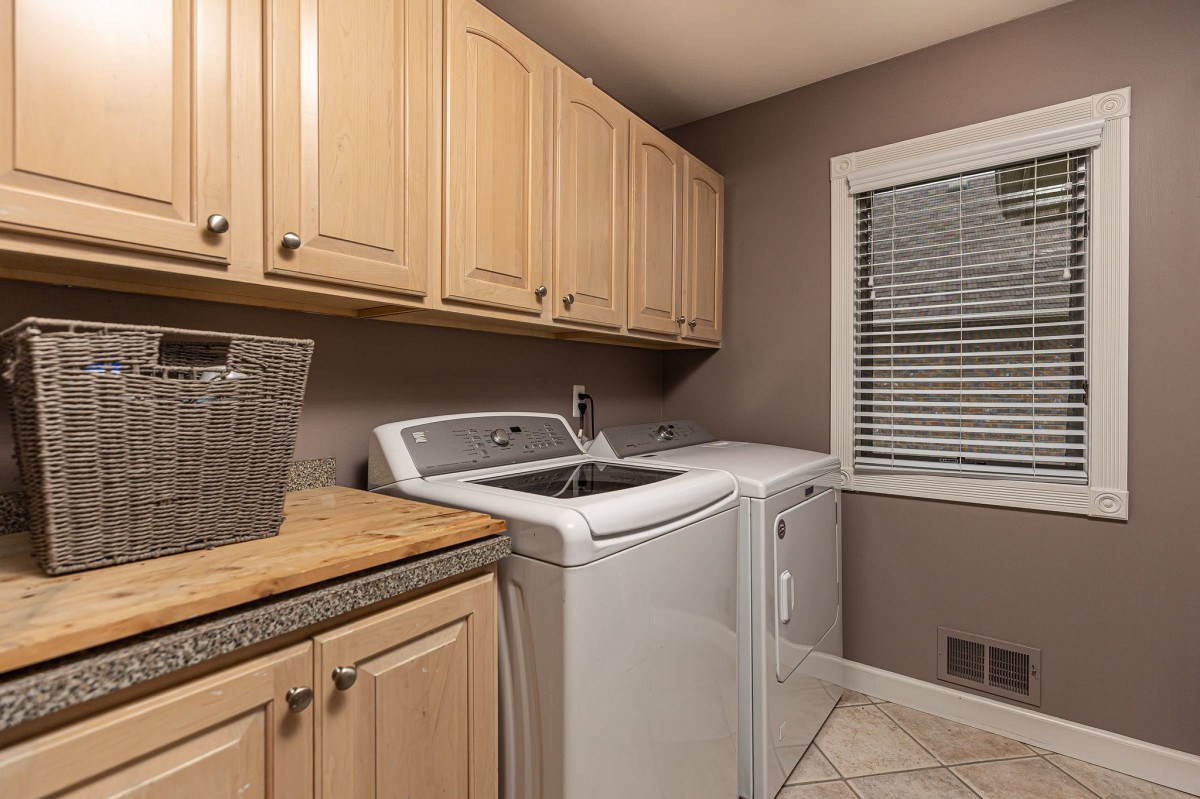
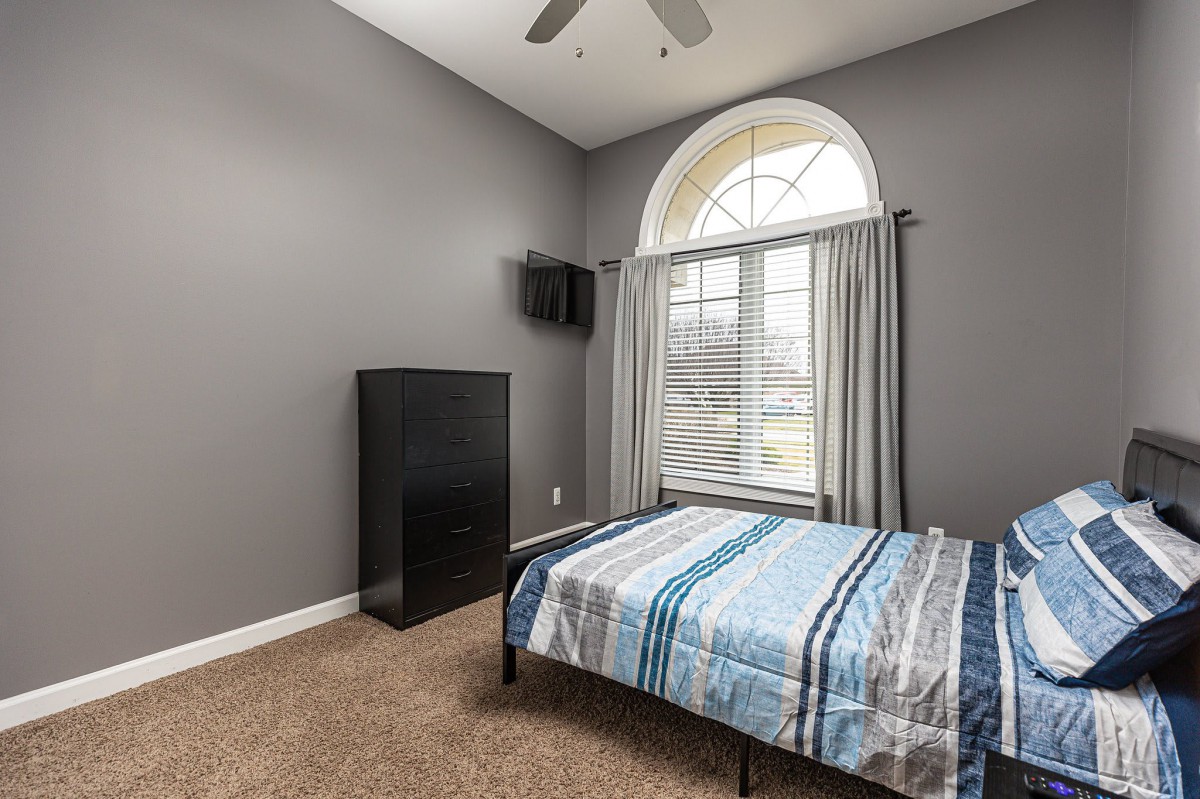
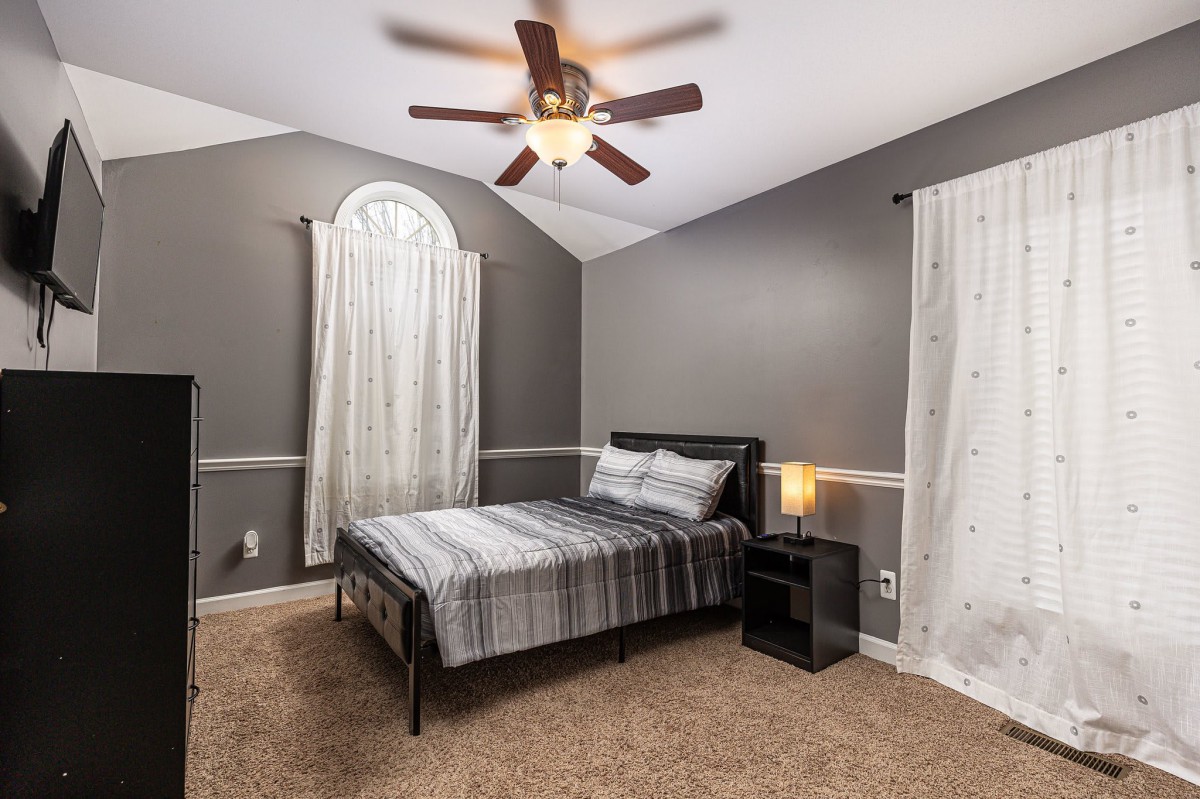
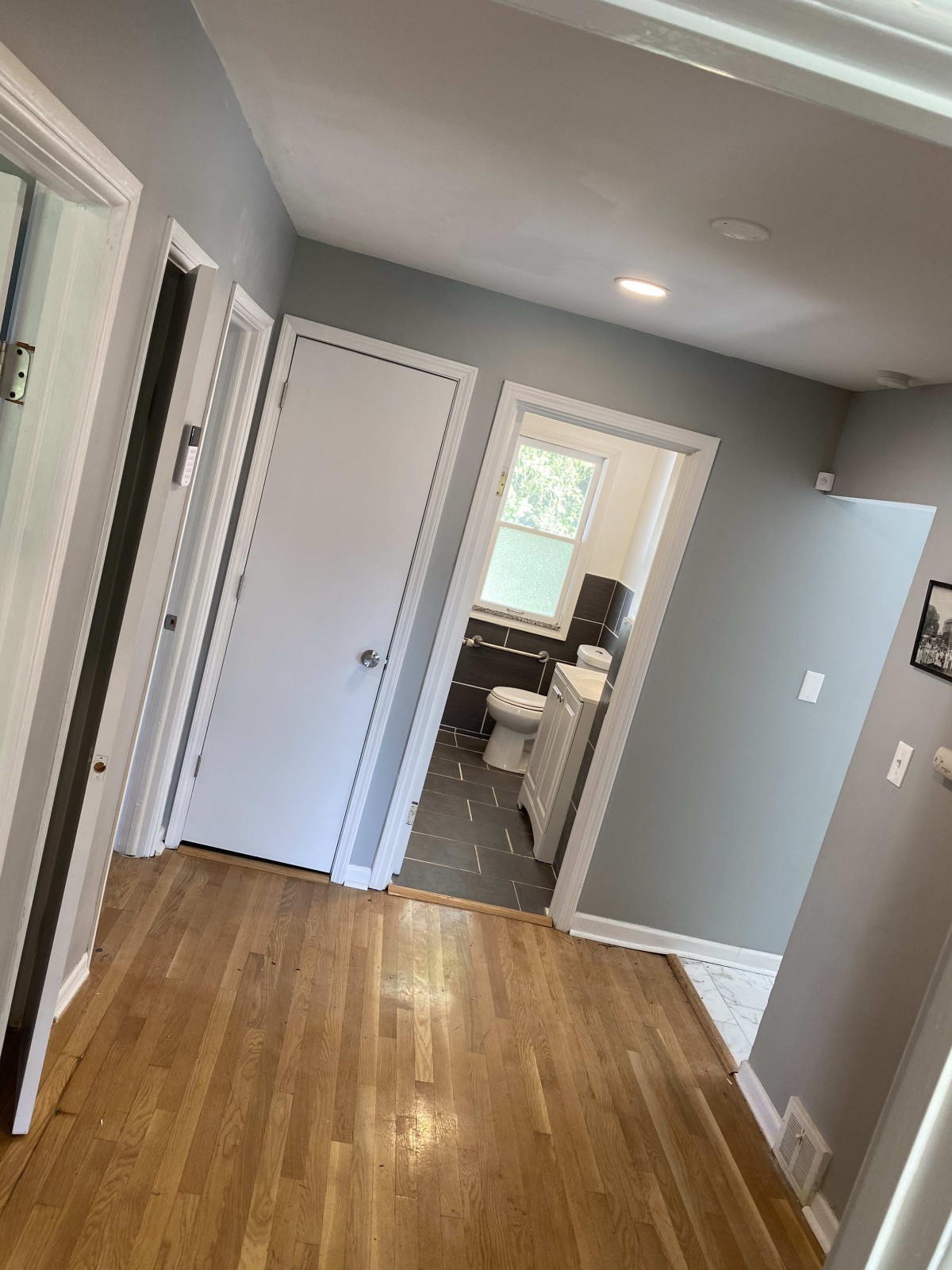
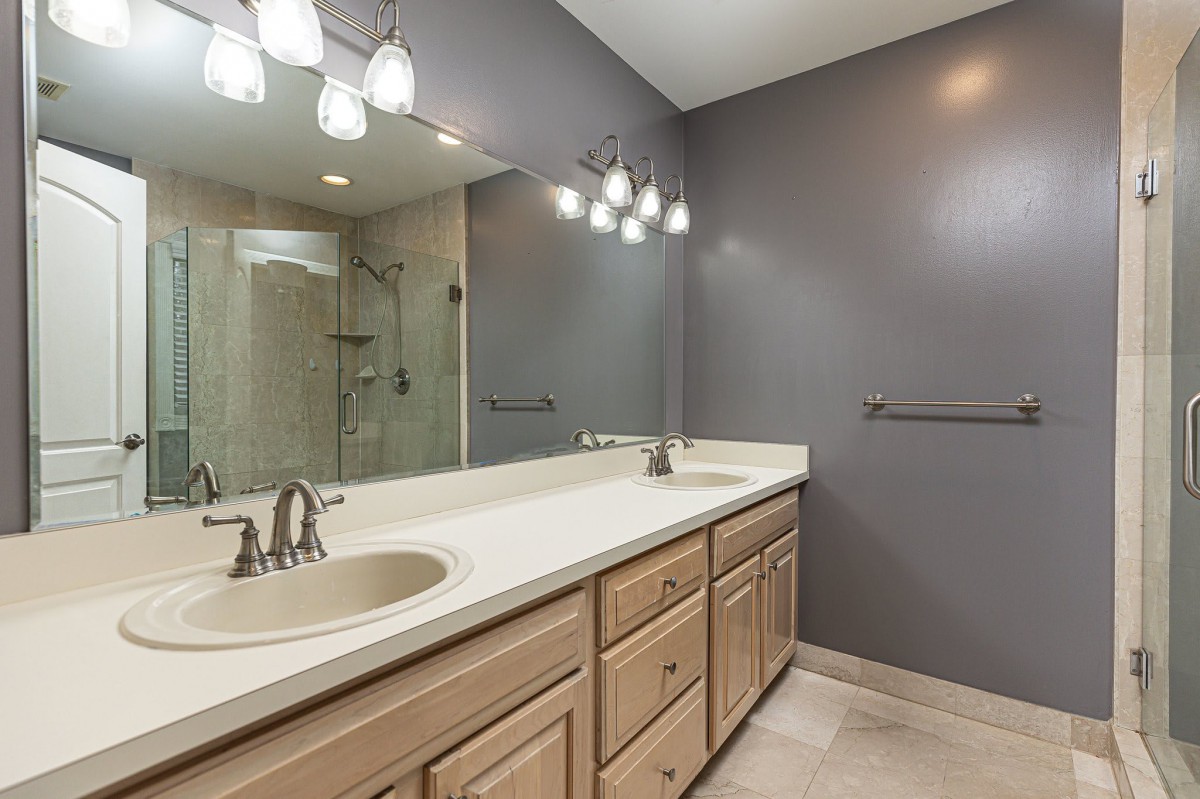
- The facility is clean and the rooms are spacious.
Review
House of Caring in Clinton Township is best suited for seniors who want a home-like atmosphere where daily care feels personal and the staff treat residents like family. The community excels for individuals who value hands-on attention, warm ownership, and a small-house culture over a big, impersonal campus. Families repeatedly describe transitions as smooth and the atmosphere as welcoming, signaling a genuine sense of belonging. The dining experience and the footprint, clean, spacious rooms with a calm, domestic feel, reinforce a comfortable daily routine. In short, this is the setting for a senior who prefers intimate, neighborly care where caregivers know preferences, routines, and stories without having to chase them down.
Who may want alternatives becomes clear for residents needing heavier medical oversight or specialized memory support, or for families seeking a larger, more programmatic environment. If 24/7 on-site nursing, complex wound care, or a broad slate of high-structure activities is essential, a bigger community could deliver those resources more reliably. For individuals whose health needs require frequent clinician visits or more formal care coordination, it may be prudent to compare options with stronger medical staffing or memory-care design. Also, those who value a robust social calendar across multiple neighborhoods or suites might find a larger setting offers more variety.
Key advantages come from the human-centric model. Owners Yogi and the other proprietor are consistently described as caring, with staff that remains focused on the resident’s welfare. The transition into living here is often praised as smooth, and families regularly note a second-family dynamic that reduces worry and loneliness. Food receives frequent compliments, adding to the day-to-day satisfaction. Cleanliness and room size contribute to a sense of home rather than facility, which matters for dignity and comfort. These elements, personal attention, dependable communication, and a warm, predictable routine, form a powerful collective pro that interfaces directly with a resident’s emotional and social well-being.
Still, the intrinsic trade-off of a smaller, house-based operation is the potential limitation in certain services. There may be fewer on-site specialists, less formal programming, and a narrower footprint for medical oversight compared with larger campuses. However, these gaps are often offset by the same strengths that define the community: quick access to staff when needed, a culture of responsiveness, and open lines of communication with families. The result is care that feels nimble and personalized, which can prevent frustration and reduce hospital trips when issues are promptly noticed and addressed. For many families, the payoff in dignity and daily happiness outweighs the lack of breadth in services.
Decision-makers should align expectations accordingly. This community is a strong fit for a resident who thrives on regular, individualized attention, appreciates high-quality meals, and desires a comforting home environment with predictable routines. It’s also ideal for families seeking transparent involvement and a place where staff truly learns a loved one’s preferences. Those who require extensive medical management, assistive technologies, or extensive memory-support programming should compare alternative options that offer more aggressive clinical staffing and specialized design.
Practical next steps include arranging a visit to observe daily life, meeting the leadership and caregiving team, and reviewing a sample care plan and meal schedule. Ask about staffing ratios, emergency procedures, and how transitions are handled should needs change. Tour a resident room to assess space and safety features, and talk with current families about responsiveness and consistency. If the aim is a warm, trusted environment with a sense of family, House of Caring appears to deliver; if broader medical resources and larger social programming are non-negotiable, it’s prudent to explore comparable facilities before deciding.
 Board and Care Home
 Activities off-site
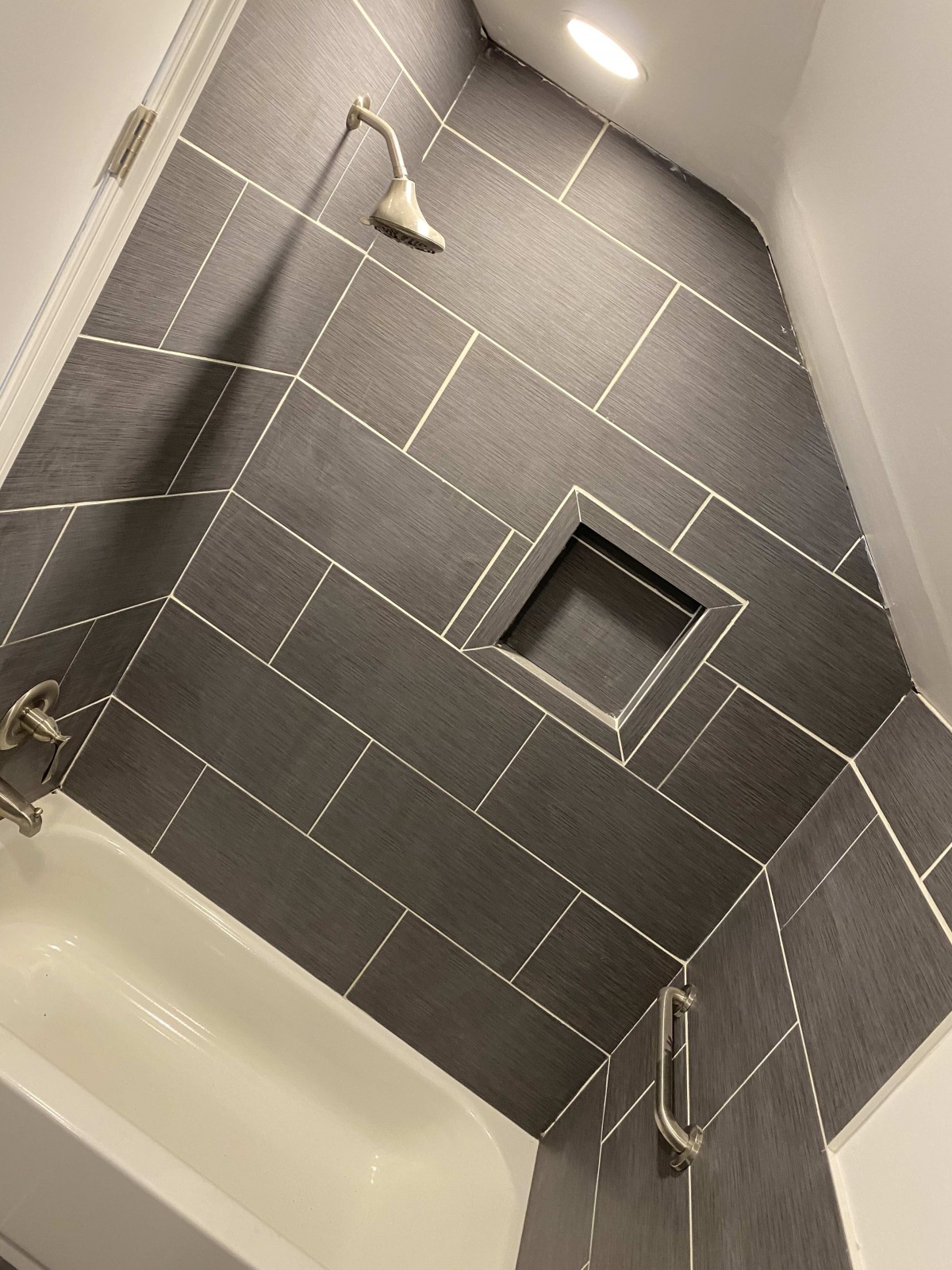
 Bath tubs
 Beautician on-site
 Cable or satellite TV
 Dining room
 Garden
 Guest parking
 Housekeeping services
 Indoor common areas
 Laundry
 Outdoor common areas
 Party space
 Private
 Security gate
 Wi-Fi/high-speed internet available
 Transportation & parking
 Ambulatory care
 Diabetic care
 Incontinence care
 Medication management
 Personal care assistants
 Diabetes diet
 Kosher
 Special dietary restrictions
 Art classes
 BBQs or picnics
 Day trips and outings
 Educational speakers / life long learning
 Games
Games Karaoke
 Live musical performances
 Pet-focused programs
 Stretching classes
 Trivia games
 Wii bowling


 Urinary Tract Infections in Older Adults: Comprehensive Insights on Symptoms, Treatment, and Prevention
 California's Form 602A: An In-Depth Examination of Senior Care Assessment
 Comprehensive Look at Senior Blood Pressure Charts: Normal and Elevated Levels by Age