
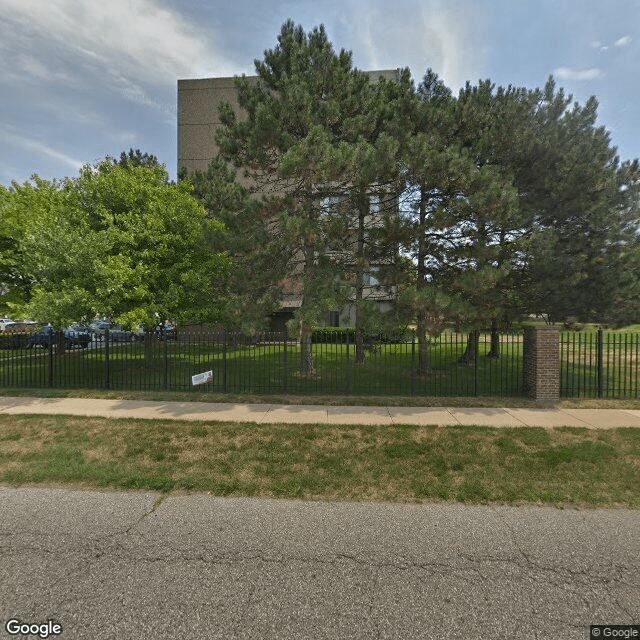
42700 Colchester, Clinton Township, MI 48036
To contact a resident: (586) 463-0500
For more information about senior living options: (866) 208-4318
Elizabeth Lee Doles Manor Costs & Pricing
Elizabeth Lee Doles Manor offers competitively priced accommodation options, particularly when compared to the broader market in Macomb County and across Michigan. The cost for a studio at Elizabeth Lee Doles Manor is $881 per month, which significantly undercuts the county average of $3,840 and the state average of $3,824. Similarly, the one-bedroom units are priced at $960 monthly, again lower than both Macomb County's average of $3,527 and Michigan's average of $3,384. This positioning not only provides residents with an affordable living option but also reflects a commitment to quality care within a budget-conscious framework.
| Floor plans | Elizabeth Lee Doles Manor | Macomb County | Michigan |
|---|---|---|---|
| Studio | $881 | $3,840 | $3,824 |
| 1 Bedroom | $960 | $3,527 | $3,384 |
Senior living communities with a similar price nearby
-
from -$31 / mo
Loving Care Home #1
$850 to $1,000 / month20.5 miles away -
from -$81 / mo
Affectionate Care 1
$800 / month10.2 miles away -
from -$31 / mo
Loving Care Home #3
$850 to $1,000 / month20.5 miles away -
About the same
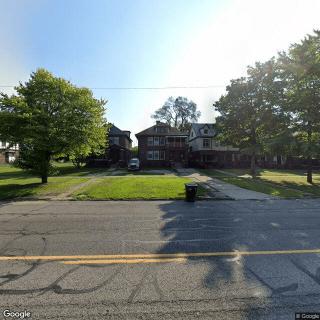
King Special Care
$900 to $2,500 / month18.8 miles away -
from -$117 / mo
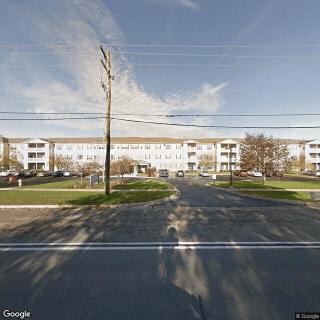
The Meadows of Anchor Bay
$764 to $926 / month7.4 miles away
Overall Review of Elizabeth Lee Doles Manor
Pros
 The staff is extremely helpful and goes above and beyond their duties.
- The manager always has time to listen to residents.
- The service coordinator has helped residents with federal and state benefits.
- The owners have sponsored trips for the last four years.
- The ladies who run the place have a heart of gold.
- They provide housing for residents and assist with paperwork.
- There is an in-house laundromat and a bus that takes residents to Meijer for shopping.
- The facility is pretty clean.
Cons
 The facility is described as a complete dump.
- It reportedly has bedbugs in the thousands.
- There is no place to put a loved one or friends.
- They spray one room every Tuesday.
- It has no shopping and no posted hours.
- It is not within walking distance to anything.
- The community room is very small with little socialization.
Review
Elizabeth Lee Doles Manor in Clinton Township is best suited for independent seniors who want a straightforward, budget-conscious housing option with hands-on administrative support and practical on-site conveniences. The community rewards residents who value personal attention from a responsive management team and who can make use of in-house services like a laundromat and scheduled transportation. For families seeking a place where staff actively assist with benefits paperwork, manage day-to-day needs, and help residents navigate the process of securing entitlements, this option delivers reliable, approachable help and a sense of continuity, especially for those who are comfortable downsizing and living in a modest, no-frills setting.
That practicality, however, comes with clear trade-offs. Alternatives should be considered for anyone who prioritizes robust social programming, frequent shopping access, or a location that feels safer or more walkable. Several reviews flag a lack of nearby amenities and social outlets, plus the reality of a neighborhood environment that reviewers describe as far from ideal for easy outings. For families or residents who expect a larger community room, more frequent activities, or ready access to stores and venues within a short stroll, other options may deliver a more satisfying day-to-day rhythm.
The strongest positives are the people running the place. Multiple accounts highlight staff who are friendly, genuinely helpful, and willing to go beyond the call of duty. A manager who listens, a service coordinator who helps with federal and state benefits, and a resident council that pushes for enhanced programming all contribute to a sense of stability and ongoing support. In-house amenities like a laundromat and transportation to Meijer, plus occasional sponsored trips, create practical advantages that keep routine life manageable. Cleanliness and a generally well-run operation are cited by residents as reasons to stay, reinforcing the value of dependable, hands-on management.
Yet the main drawbacks are substantial and hard to ignore. A single, troubling review describes bedbugs that required intervention and raised concerns about ongoing pest control, an issue that understandably undermines confidence in the safety and comfort of a home for seniors. Other reviews point to a lack of shopping within the community, limited hours, and a small social space that can dampen opportunities for meaningful interaction. The campus atmosphere, described by one observer as home to many Social Security recipients with mental health issues, raises considerations about suitability for an elderly resident who needs predictability and easy access to social engagement outside a small community room. Several writers also flag the area as not being within easy walking distance of everyday amenities, which can impact independence for those who prefer or require frequent outings.
Those pros and cons don’t balance equally for every family. For a resident who values a steady caregiving ethos, administrative help, and practical conveniences, the staff-driven support and tangible services can offset the downsides of a smaller social footprint and a modest location. The ability to rely on a manager who will listen, and on a benefits coordinator who handles complex paperwork, reduces stress for families navigating transitions. However, for seniors who crave frequent activities, nearby shopping, a safer or more vibrant neighborhood, or a larger, more active community life, this option likely won’t satisfy those expectations. The bedbug concern, if current or recurring, remains a red flag that can tip the balance toward exploring other communities with stronger pest-control histories and clearer safety metrics.
In short, Elizabeth Lee Doles Manor works best for independent seniors who prize attentive staff, practical on-site amenities, and targeted administrative support, while accepting a quieter social scene and a location that isn’t rich with shopping or high-traffic venues. Families weighing alternatives should prioritize those with stronger social programming, closer access to shops, and a pest-control track record that eliminates the worry of infestations. A thoughtful visit is essential: ask about pest history and remediation plans, tour the activity calendar and the size of the communal space, verify transportation schedules, and probe neighborhood safety and walkability. This careful shopping can determine whether the strengths of this community align with the resident’s needs, or whether another option better preserves independence, safety, and social fulfillment.
 Active Adult Communities (55+)
 Cats allowed
 Dogs allowed
 Activities on-site
 Indoor common areas
 Outdoor common areas




 Top Cars for Senior Drivers and Essential Safety Innovations
 A Closer Look at Private Pay Home Care
 Comprehensive Approaches for Arthritis: A Detailed Guide to Symptoms, Causes, and Care