
8616 Hidden Acre Court, Clarkston, MI 48348
For more information about senior living options: (866) 208-4318
Overall Review of Hidden Acres Manor
Pros
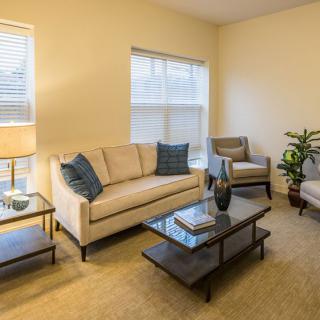
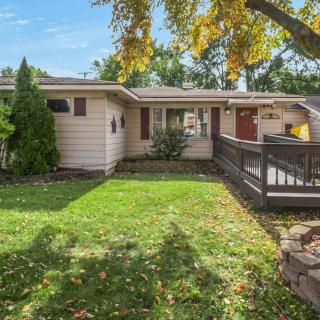
 Scenic Hill Manor provides a home-like environment with beautiful rooms, caring and knowledgeable staff, and supportive management.
- The staff consistently do everything they can to ensure residents are well taken care of.
- Families feel grateful and confident that their loved ones are in good hands at Scenic Hill Manor.
- The facility is described as safe, trustworthy, and a good place for loved ones who need care.
- The rooms are beautifully decorated, and residents appear happy and well cared for.
- The staff are incredibly nice and friendly, contributing to a positive living experience.
- People would strongly recommend Scenic Hill Manor to others in need of care.
Cons
 The reviewer describes Alzheimer's disease as a terrible disease.
- The reviewer recalls the situation as a nightmare as she tried to figure out how to keep her mother from harming herself or wandering away.
- The reviewer notes that the cost is not the cheapest, making visits difficult.
- The reviewer feels guilty about not being able to visit and bears the burden alone.
- The reviewer recalls horror stories about rest homes where residents are abused and neglected.
Review
Hidden Acres Manor in Clarkston, MI appears best suited for families seeking a warm, home-like atmosphere where daily care is handled with steady leadership and a personal touch. The reviews converge on a setting that feels comfortable and intimate, with well-maintained rooms and a staff able to deliver dependable support day in and day out. This community is particularly attractive to families dealing with memory-related needs, where consistent medication management and daily routines matter greatly. It is also a strong fit for long-distance caregivers who need to trust that on-site staff are watching over a loved one with competence and compassion, guided by a manager and owner who come across as caring and knowledgeable.
Those weighing alternatives should consider two clear factors from the feedback. First, cost is a conspicuous consideration: one reviewer notes that the price isn’t cheap, which can influence how often family members can visit or participate in care planning. Second, geographic and logistical realities matter: the same reviewer’s distant location underscores the value of a facility with a trustworthy on-site team, but it also highlights that families with easier access or more intensive on-site medical oversight may find other options more suitable. For families prioritizing highly structured clinical programming, aggressive dementia therapy offerings, or networks with broader medical partnerships, shopping around is prudent.
The primary strengths of this community are compound and mutually reinforcing. The home-like environment and beautifully appointed rooms create a sense of dignity and comfort that can ease transition for seniors who resist institutional settings. The staff, described as incredibly nice and friendly, appear to deliver consistent, attentive care, while the management, often highlighted as caring and knowledgeable, suggests a foundation of accountability and responsiveness. Medication management, a critical factor for residents with cognitive impairment, is presented as reliable, relieving family members of daily worry about adherence and safety. In short, the combination of atmosphere, personnel warmth, and dependable daily care creates a protective, predictable setting that softens the stress of aging and illness for both residents and their families.
Despite the strong positives, the cost remains the most salient drawback, and it can limit access for some households. Where a higher price tag translates into greater peace of mind and fewer personal visits needed, the trade-off is sensible for many. The offset comes in the form of consistent quality and safety, which reduce the emotional and logistical burden on families, especially those who cannot be there in person every day. For Alzheimer’s or dementia care, the ability of staff to maintain medication routines and monitor behavior changes without constant family intervention is a meaningful advantage, turning price into a calculated investment in safety and stability.
Practical steps for evaluating Hidden Acres Manor against these themes are straightforward. Prospective residents or their families should probe the memory-care capabilities explicitly: is there a dedicated memory-care program, what activities are offered to sustain cognition and mood, and how is wandering risk managed? Request current resident-to-staff ratios during different shifts to gauge daily responsiveness. Clarify the billing structure: what is included in monthly fees, what ancillary costs could arise, and whether there are options that balance needs with more favorable pricing. If possible, arrange to observe a meal or activity period and speak with families who are already navigating the transition, focusing on communication frequency and transparency.
In the end, this Clarkston community presents a decisive option for families prioritizing a welcoming, well-run home environment with compassionate leadership and reliable day-to-day care, especially for residents with memory challenges who rely on steady routines and medication oversight. It is a strong fit for those who can justify the price in exchange for reduced caregiving burden and enhanced safety. For budget-conscious households, or for families seeking a more medicalized or expansive operation with different financing structures, exploring alternatives remains a prudent step before making a final commitment.
 12 resident community capacity
 Assisted Living
 Cable or satellite TV
 Dining room
 Fully furnished
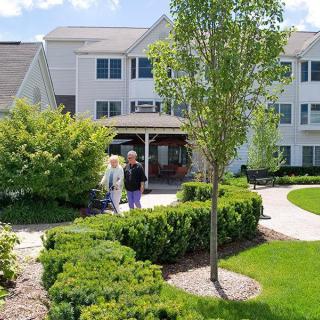
 Garden
 Housekeeping services
 Move-in coordination
 Outdoor space
 Telephone
 Wi-Fi/high-speed internet available
 Bishop (22 miles away)
 24-hour supervision
 Activities of daily living assistance
 Assistance with bathing
 Assistance with dressing
 Assistance with transfers
 Diabetes diet
 Meal preparation and service
 Medication management
 Special dietary restrictions
 Transportation arrangement (medical)
 Transportation to doctors appointments


 Understanding the True Cost of Assisted Living in 2025: A Comprehensive Guide
 Understanding Medicaid Coverage for Assisted Living: A Comprehensive Guide
 How and When Medicaid May Cover Assisted Living Costs