

140 W Middle Street Ste A, Chelsea, MI 48118
To contact a resident: (734) 433-9007
For more information about senior living options: (866) 208-4318
Synergy HomeCare - Chelsea Costs & Pricing
At Synergy HomeCare - Chelsea, the cost for a studio accommodation is set at $4,165 per month. This rate is slightly higher than the average in Washtenaw County, which stands at $4,158, yet it remains above the broader Michigan state average of $3,824. The pricing reflects not only the quality of care and personalized services provided by Synergy HomeCare but also the competitive landscape of assisted living options in this region. Families considering care solutions will find that while there are more economical choices available across the county and state, Synergy HomeCare positions itself as a premium option delivering exceptional value through dedicated support and comprehensive care services.
| Floor plans | Synergy HomeCare - Chelsea | Washtenaw County | Michigan |
|---|---|---|---|
| Studio | $4,165 | $4,158 | $3,824 |
Senior living communities with a similar price nearby
-
from -$445 / mo

Legacy Assisted Living and Legacy Alzheimer's
$3,720 to $4,020 / month15.9 miles away -
from -$465 / mo

Divine Nest Assisted Living
$3,700 / month23.0 miles away -
from -$520 / mo

Summit Park Assisted Living Center
$3,645 to $4,245 / month22.7 miles away -
from +$133 / mo

All Seasons Ann Arbor
$4,298 to $5,885 / month18.3 miles away -
from -$681 / mo
StoryPoint Saline
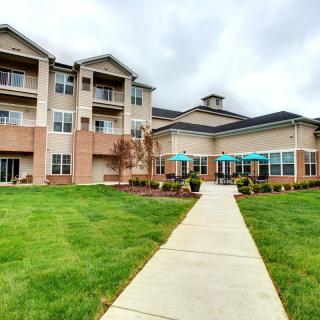
$3,484 to $5,575 / month16.9 miles away
Overall Review of Synergy HomeCare - Chelsea
Pros
 Synergy Homecare has gone very well for the client.
- They have been very accommodating with time changes and scheduling.
- The caregivers they've sent have been more than happy to help the client's loved one with anything she asks.
Review
Synergy HomeCare in Chelsea is best suited for families seeking flexible, in-home support that allows a loved one to maintain independence without moving into a facility. The core appeal is a caregiver-led approach that can bend to changing needs and routines, rather than a rigid schedule or institutional setting. The single positive data point available suggests a responsive team capable of adjusting to requests and sticking with tasks as they arise, which translates into real-world benefits: errands, personal care, and day-to-day assistance handled with a patient, person-centered touch. For families prioritizing comfort, familiarity, and a home-like pace, this option stands out as a practical, hands-on solution.
Those who may want to consider alternatives are typically those needing around-the-clock medical oversight, predictable, 24/7 live-in coverage, or a more structured environment with built-in amenities and social programming. Traditional assisted living facilities or larger home-care networks with longer track records can offer more standardized coverage, guaranteed back-up staffing, and a clearer framework for escalating care. If the resident’s needs are likely to intensify, or if a facility setting with on-site nursing and scheduled activities is preferred, it’s wise to compare with options that explicitly guarantee these features and provide broader continuity across a team of caregivers.
The standout positives center on scheduling flexibility and the caregivers’ willingness to help with whatever the loved one asks. This translates into a lower-stress planning process for families and a smoother daily routine for the resident. When routines shift, whether due to energy levels, medical appointments, or new tasks, the ability to pivot without lengthy coordination is a meaningful advantage. Such adaptability can preserve dignity and autonomy, factors families often rate as essential in home-based care. These strengths, however, sit against the backdrop of limited public evidence; a single review cannot fully establish consistency, turnover, or long-term reliability, so the practical impact of these pros should be validated with additional references.
Where the decision becomes more nuanced is in how predictable and scalable the care will remain over time. The available feedback signals responsiveness, but without broader data, it remains unclear how caregiver matching, back-up coverage, or weekend availability holds up as needs evolve. Families should anticipate potential variability in which caregivers are assigned and when they come, and should verify how gaps are filled and how continuity of care is maintained during vacations or illness. Requesting a formal care plan, a back-up scheduling policy, and a transparent cost structure helps translate strengths into durable, day-to-day assurances.
Practical next steps are essential to avoid gaps in service. A candid care assessment is critical, followed by a clear caregiver-matching process and a written description of back-up coverage. Request references from current clients, ask about training for specific tasks the resident requires, and confirm rates, overtime terms, and cancellation policies. A short-term trial period can illuminate how well the team actually integrates with the resident’s routines and whether the promised flexibility translates into reliable, consistent support. These steps convert the positive signals into a trustworthy, long-term care plan.
In the end, Synergy HomeCare Chelsea presents a viable path for families who prize adaptability, direct caregiver involvement, and a homey, hands-on approach to daily living. When flexibility and responsiveness are the driving criteria, this option can deliver meaningful relief and improved quality of life. Yet the decision should rest on a broader evidence base: gather more references, probe for back-up strategies, and confirm cost and coverage expectations. If those factors align after thorough due diligence, this provider stands up well against alternatives; if not, a more structured or more extensively reviewed option may be a wiser choice.








 Navigating the Tax Landscape of Caregiving: Credits, Deductions, and Beyond
 Highly Beneficial Low-Impact Exercises for Senior Living Residents
 Is In-Home Healthcare Tax Deductible? Your Comprehensive Guide