
7728 Lessiter Avenue Ne, Belding, MI 48809
For more information about senior living options: (866) 208-4318
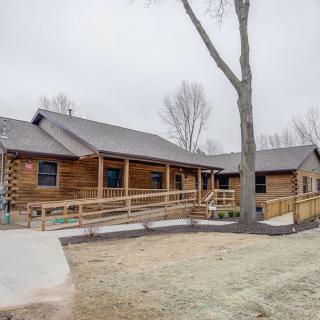
Overall Review of Windy Acres
Pros
 The retirement home is portrayed as a welcoming community for seniors.
- Residents are depicted with dignity within a supportive environment.
- The setting emphasizes care and compassion for those living there.
- The review hints at ongoing efforts to enhance resident well-being.
- The home is presented as a space where seniors are valued and respected.
Cons
 Some residents pan-handle at the end of the driveway or down the road.
- The reviews describe the place as an old-age retirement home, which carries a negative connotation.
- The feedback conveys a negative impression of the residents and the surrounding area.
Review
Windy Acres in Belding, MI is best suited for seniors who are largely independent and seeking a no-fruss, low-cost housing option in a small-town setting. This community appears to serve residents who can manage daily routines with modest staff oversight and who prioritize routine familiarity over robust care programs. Families should consider that Windy Acres does not promise high-touch medical support or expansive social programming, and this facility is most appropriate for those who do not require ongoing, hands-on assistance. For seniors with greater care needs or those seeking a safety-net with strong supervision, alternatives should be on the table, locations with higher staffing ratios, structured activities, and secured grounds. The budget and personal independence must align with the level of service provided.
Three reviews produce a stark picture: a single five-star endorsement exists alongside two one-star ratings. The small sample and mixed verdict suggest an uneven experience, where perceptions of value and quality swing sharply. The most troubling feedback centers on behavior and safety concerns: observers note that some residents panhandle near the driveway or along the roadside. That detail goes beyond nuisance; it raises questions about supervision, resident resources, and the surrounding environment. The comment about it feeling like an “old age retirement home” conveys a sense of datedness and potentially limited modernization in facilities, amenities, and care processes. Taken together, the reviews point to a setting that may feel less than secure or well-supported for many.
One clear implication is that Windy Acres can deliver a quiet, budget-conscious living option for a subset of residents who can navigate the neighborhood and access outside assistance when needed. The presence of at least one positive review indicates that for some residents or families, the environment may offer sincerity, routine, and a sense of home. The upside of such a setting is straightforward: fewer luxury expectations, predictable daily rhythms, and perhaps lower costs. Those advantages can be meaningful for those who value stability over sophistication and who can self-advocate or arrange external care services without relying on a heavy on-site care team.
However, the dominant concerns in the feedback outweigh those potential gains. Visible panhandling signals not just discomfort but a breakdown in safety nets, staffing gaps, limited supervision, or insufficient resident support services. An environment where residents must rely on passersby or inadvertent street-level solicitation raises red flags about security, wandering risk, and the ability to respond quickly to medical or personal needs. An older-leaning facility description injects worry about outdated equipment, accessibility barriers, and a lack of modern safety features. For families, these factors translate into hesitation about long-term residency, especially for loved ones who require regular reminders, help with medications, or assistance with daily tasks.
Pros may offset cons only if the resident is firmly anchored in independence and the family can provide or arrange external support. In practice, Windy Acres would suit someone who already has strong in-home services lined up, who uses minimal assisted-living features, and who is comfortable with a modest social calendar that may be light on programming. For individuals with cognitive decline, mobility restrictions, or the need for frequent supervision, this community is unlikely to meet expectations. The risk is that the most attractive offer, affordability, parallels the most significant risk: insufficient supervision, safety concerns, and a lack of proactive resident engagement. Families should balance financial considerations against quality of life and security demands.
Before choosing Windy Acres, undertake a rigorous site visit with a structured checklist: inspect the grounds to assess safety around the driveway, tour living spaces, evaluate cleanliness and maintenance, and verify the responsiveness of call systems. Inquire directly about staffing levels, on-site nursing or caregiver availability, meal quality, housekeeping, laundry, and transportation options. Seek real-world feedback from current residents or families, and request a trial period or a clearly defined exit plan if possible. If the priorities include reliable supervision, robust programs, and safer surroundings, alternatives in the region with stronger care footprints should be pursued, Windy Acres appears most appropriate only for those who can compensate with external support and who value a barebones, low-stress living environment over a comprehensive care plan.
 11 resident community capacity
 Assisted Living
 Board and Care Home
 Respite Care
 Activities on-site
 Cable or satellite TV
 Devotional services off-site
 Dining room
 Fully furnished
 Garden
 Housekeeping services
 Indoor common areas
 Move-in coordination
 Outdoor space
 Telephone
 Wi-Fi/high-speed internet available
 Kent County International (17 miles away)
 24-hour supervision
 Ambulatory care
 Assistance with bathing
 Assistance with dressing
 Assistance with transfers
 Diabetes diet
 Diabetic care
 Meal preparation and service
 Medication management
 Special dietary restrictions
 Transportation arrangement (medical)
 Transportation to doctors appointments



 How and When Medicaid May Cover Assisted Living Costs
 A Detailed Exploration of Assisted Living Medicaid Waivers Across the United States
 Comprehensive Residential Support and Assisted Living Solutions for Individuals with Disabilities