
1700 South Jefferson, Bay City, MI 48708
For more information about senior living options: (866) 208-4318
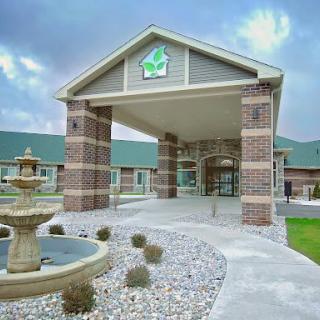
Jefferson House is an assisted living community in Bay City, MI.
Information last verified:
1700 South Jefferson, Bay City, MI 48708
For more information about senior living options: (866) 208-4318
 6 resident community capacity
 Assisted Living
 Cable or satellite TV
 Dining room
 Fully furnished
 Garden
 Housekeeping services
 Move-in coordination
 Outdoor space
 Telephone
 Wi-Fi/high-speed internet available
 Mbs International (10 miles away)
 24-hour supervision
 Activities of daily living assistance
 Assistance with bathing
 Assistance with dressing
 Assistance with transfers Coordination with health care providers
 Diabetes diet
 Meal preparation and service
 Medication management
 Special dietary restrictions
 Transportation arrangement (medical)
 Transportation to doctors appointments Diabetes diet Special dietary restrictions Community-sponsored activities Scheduled daily activities
Jefferson House is a premier assisted living community located in Bay City, MI. With its range of amenities and care services, residents can enjoy a comfortable and fulfilling lifestyle. The community features a spacious dining room where delicious meals are served to accommodate any special dietary restrictions. The living spaces are fully furnished, providing residents with everything they need for a cozy and convenient living experience.
For those who love the outdoors, Jefferson House offers beautiful garden areas and outdoor spaces where residents can relax and enjoy the fresh air. Housekeeping services ensure that the community remains clean and well-maintained at all times.
The community also provides move-in coordination assistance to make the transition as smooth as possible for new residents. In terms of connectivity, telephone and Wi-Fi/high-speed internet access are available throughout Jefferson House.
Care services offered at Jefferson House cater to the individual needs of each resident. Trained staff provide assistance with activities of daily living such as bathing, dressing, and transfers. The community also coordinates with healthcare providers to ensure seamless medical care for residents. Special attention is given to diabetes management through specialized diets and medication management.
Residents can participate in scheduled daily activities that encourage social engagement and personal enrichment. In addition, there are three cafes and 38 restaurants nearby where residents can enjoy dining out or meeting friends for coffee or meals. For recreational opportunities, there are six parks nearby where residents can take leisurely strolls or engage in outdoor activities.
Access to healthcare facilities is essential, which is why Jefferson House boasts proximity to 12 pharmacies, 28 physicians' offices, four hospitals, three places of worship, and one theater nearby. Transportation arrangements are available for medical appointments to ensure residents have easy access to health services.
Overall, Jefferson House offers an enriching assisted living experience with its excellent amenities, comprehensive care services, convenient location near various amenities and healthcare facilities. Residents can enjoy a vibrant lifestyle while receiving personalized support tailored to their unique needs.
Jefferson House is located at 1700 South Jefferson, Bay City, MI 48708 in Saginaw County, Michigan

Jefferson North
Bay City, MI
 Fully furnished apartments, 24/7 care, and tailored meals.
Cornerstone Adult Foster Care
Bay City, MI
Small, intimate setting with personalized care.
Liberty House
Bay City, MI
24/7 memory-care support with comprehensive services (medication management, meals, activities, and transportation).
Sanders AFC
Bay City, MI
Convenient location with nearby shops, parks, healthcare, and entertainment.
Wilson House
Bay City, MI
Intimate, small-community feel with furnished apartments, housekeeping, meals, and personalized care.
Premier Care Assisted Living 3
Bay City, MI
Small, intimate board-and-care with 24/7 support and tailored meals.
Bay Valley House
Bay City, MI
Specialized memory care with diabetic support and on-site meals.
Sheffield Bay
Bay City, MI
Beautiful, well-maintained facility with spacious rooms, restaurant-style dining, and engaging activities with responsive staff.
Bay City Comfort Care
Bay City, MI
Engaging activities and attentive staff in a welcoming environment.
 Assisted Living Support for Veterans: A Complete and Detailed Overview
The guide highlights the importance of assisted living facilities for aging veterans needing daily support, discusses unique challenges they face, and outlines available financial assistance from the VA, including the Aid and Attendance program. It emphasizes understanding eligibility criteria and navigating the VA system to access necessary benefits effectively.
 Exploring the Contrasts Between Assisted Living and Skilled Nursing
The article compares assisted living and skilled nursing facilities, detailing their differing levels of assistance, medical support, cost structures, and day-to-day experiences. It emphasizes that assisted living is for those needing help with daily activities while maintaining independence, whereas skilled nursing facilities provide intensive medical care with 24-hour staff supervision.
The transition from assisted living to skilled nursing care is often prompted by complex medical needs that assisted living cannot meet, with key indicators including frequent health declines, increased falls, severe memory issues, and caregiver burnout. Families should recognize these signs early to discuss options with healthcare providers and prepare for the emotional and logistical aspects of moving to a facility that offers comprehensive medical support.
 8 Key Indicators That Suggest It May Be Time to Transition from Assisted Living to Skilled Nursing Care