
805 East South Union Street, Bay City, MI 48706
For more information about senior living options: (866) 208-4318
Overall Review of Close To Home Assisted Living
Pros
 The staff are friendly, upbeat, and knowledgeable, and they feel like family to residents, with home-cooked meals and 24/7 care.
- Residents enjoy smiling staff, great rooms, and a fun, welcoming atmosphere.
- The facility is clean and well-kept, with a friendly, inviting atmosphere.
- Families are highly pleased with the care their loved ones receive and would recommend the home.
- The staff demonstrate genuine care for residents and maintain a strong sense of community.
- The location is conveniently near restaurants and a hospital, adding to its practicality.
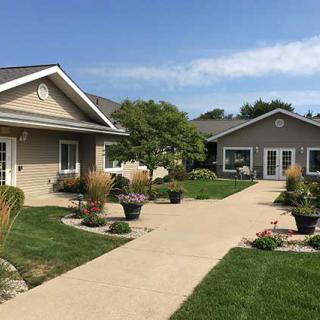
- Outdoor spaces like a courtyard, lawns, and walk-out balconies provide pleasant areas for residents.
Cons
 The facility is described as an average place, with upkeep and cleanliness also average.
- The staff neglected residents, failing to check on a resident for a full day and ignoring his pleas for help.
- The place should be shut down for neglecting its residents.
- An employee’s posts went unaddressed and were deemed highly unprofessional and disturbing to families.
- Residents were reportedly treated poorly or mean by staff, despite a friendly outward mask.
- Important safety issues were not disclosed or addressed, including braces problems, open sores, and other life-threatening concerns.
- The owner and management were very difficult to reach, and the company seemed to care more about money than the residents, with hands-on care deteriorating as the company grew.
- There were instances of residents not being bathed or having dirty clothes left on for weeks.
Review
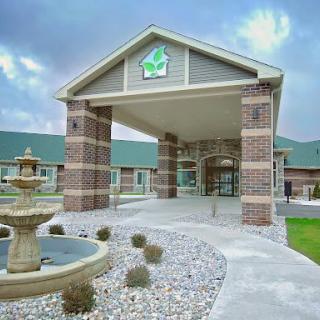
Close To Home Assisted Living in Bay City is best suited for seniors who want a visible, welcoming atmosphere, a clean and well-kept setting, and someone to help with daily activities in a financially reasonable package. The facility sits in a convenient location near restaurants and a hospital, and its remodeled-school feel is matched by a courtyard, accessible outdoor spaces, and rooms that residents can personalize. Staff are frequently described as friendly and engaged, with a sense of family that can make daily life feel warm and social. For families prioritizing sociability, predictable routines, and light supervision, this community can deliver a decent living environment with enough daily structure to reduce isolation.
Those who should consider alternatives are families dealing with higher care needs or requiring consistent, high-proof accountability. When a loved one depends on timely checks, reliable assistance with bathing, and transparent communication about medical and safety concerns, the inconsistencies tied to staffing and governance become consequential. Reports of neglect, delayed responses, and staff resistance to accountability strongly signal a need to explore other options with clearer oversight and stronger resident protections. Ownership accessibility and issue resolution appear variable, making it risky for households that insist on steady, proactive problem-solving from leadership.
The positive elements at Close To Home are real and meaningful for residents who value companionship and routine. The cleanliness of the facility is frequently highlighted, and the atmosphere is described as upbeat and welcoming, with staff who know residents by name and attempt to foster a home-like vibe. Home-cooked meals and varied activities offer comfort and stimulation, while the 24/7 presence of staff in many cases provides reassurance for families seeking visible monitoring and around-the-clock support. The location near dining options and medical facilities also means fewer logistical headaches when coordinating visits or medical trips. Taken together, these factors translate into a lived-in sense of normalcy that can be particularly meaningful for residents who want to stay engaged and connected.
Yet the most pressing negatives temper those positives. Accounts of neglect and neglect-adjacent failures, such as a resident not being checked on for long periods, workflow tensions between shifts, or staff dismissing a resident’s pleas for help, cut to the core of safety concerns. Multiple voices describe instances of unprofessional behavior, discomfort with how concerns are addressed, and even specific allegations of improper care or miscommunication about medical needs. In several reports, families felt left in the dark about incidents or unable to reach owners or managers when problems arose. These experiences are not marginal; they reflect a pattern that fundamentally challenges confidence in long-term reliability and risk management.
The key to weighing pros against cons lies in alignment of care expectations with the reality of operations. For a family prioritizing a cheerful, engaging environment and a basic level of daily support, the pros, cleanliness, a positive atmosphere, helpful front-line staff, and accessible location, can meaningfully offset the day-to-day comfort needs. However, the magnitude and seriousness of the cons, especially alleged neglect, inconsistent responsiveness, and limited access to leadership, tresents a decisive risk for anyone with higher medical or safety requirements. Pros do not fully counterbalance the risk when safety, transparent communication, and dependable oversight appear compromised.
In decision-making terms, Close To Home is not a blanket recommendation for every senior needing assisted living. It can work well for residents who require supervision with activities, mild assistance, and who thrive in a sociable setting, provided families implement stringent monitoring and insist on tight governance. For those whose loved ones require robust medical support, rapid response to emergencies, or predictable accountability, alternatives should be seriously pursued. Prospective residents should demand extended, repeated visits and direct conversations with leadership, request visible care plans and incident logs, and inspect shower/tub or hygiene routines for consistency. Investigate state licensing records and speak with current families about ongoing satisfaction before committing, and treat ownership accessibility as a non-negotiable criterion rather than a pleasant afterthought.
 20 resident community capacity
 Assisted Living
 Board and Care Home
 Beauty salon
 Cable or satellite TV
 Dining room
 Fully furnished
 Garden
 Housekeeping services
 Kitchenette
 Move-in coordination
 Outdoor space
 Telephone
 Wi-Fi/high-speed internet available
 Mbs International (10 miles away)
 24-hour call system
 Activities of daily living assistance
 Assistance with bathing
 Assistance with dressing
 Assistance with transfers
 Diabetes diet
 Meal preparation and service
 Medication management
 Mental wellness program
 Special dietary restrictions
 Transportation arrangement (medical)
 Transportation to doctors appointments


 Funding and Affording Assisted Living: A Thorough Overview
 Assisted Living Expenses and Long-Term Care Insurance: A Comprehensive Exploration
 Securing Financial Support for Assisted Living: A Comprehensive Overview