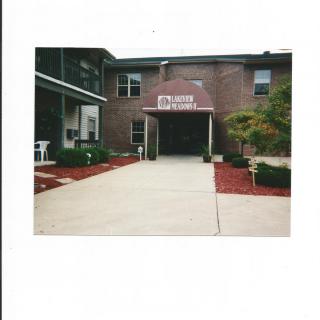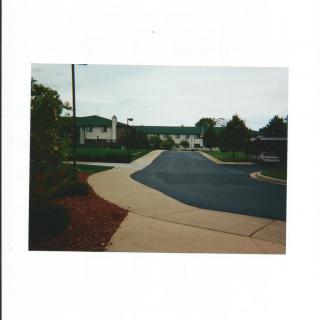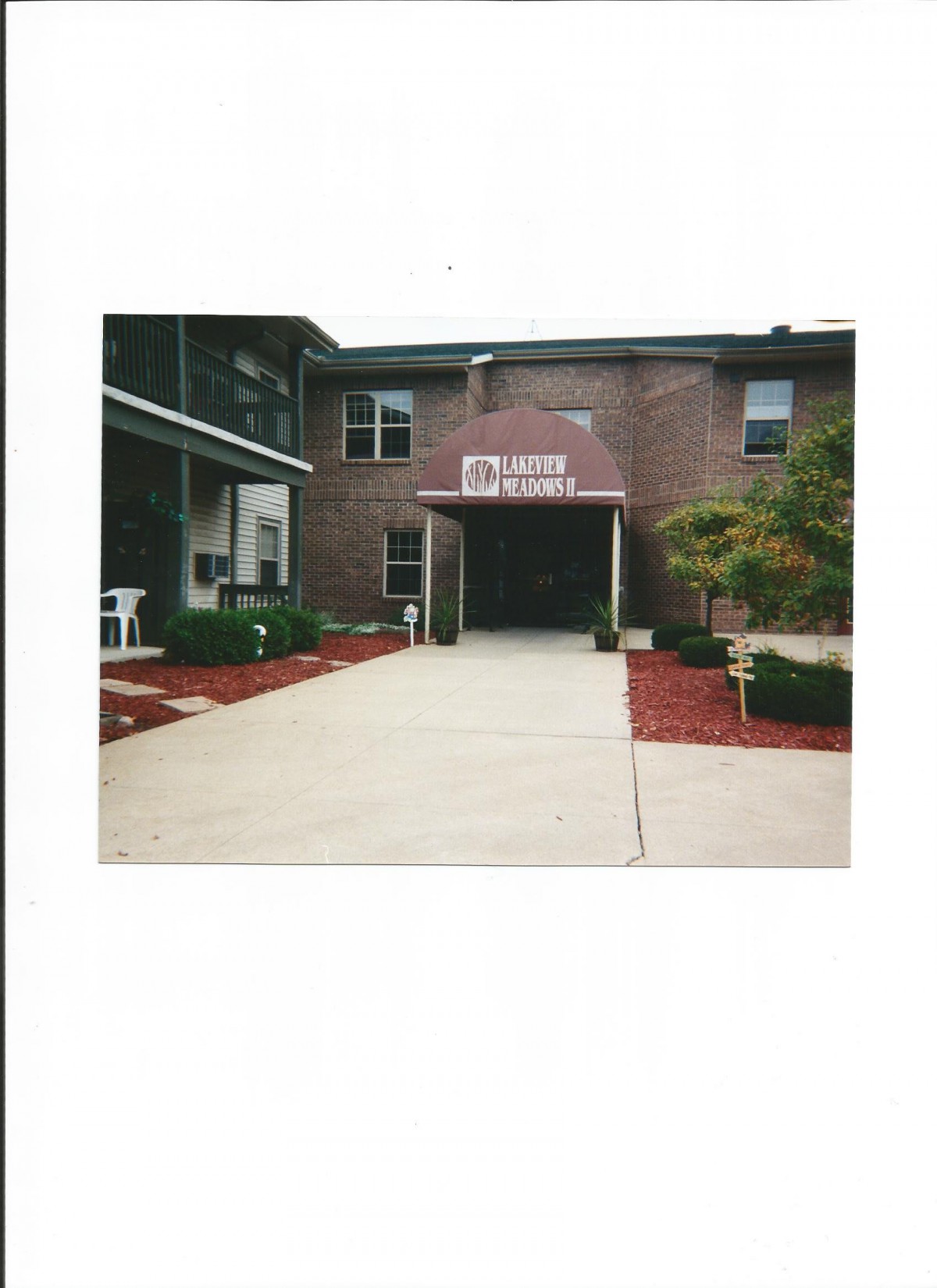
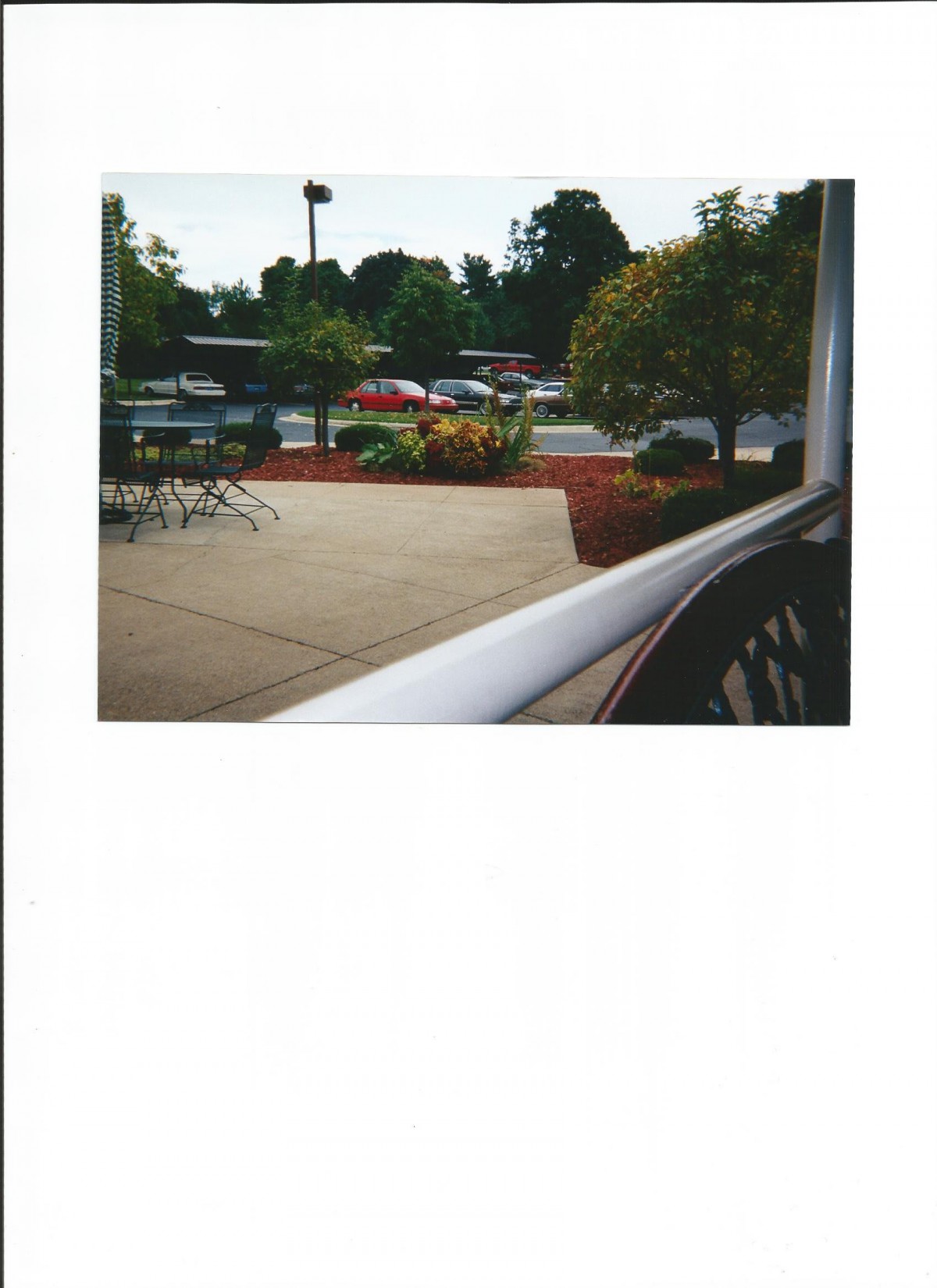
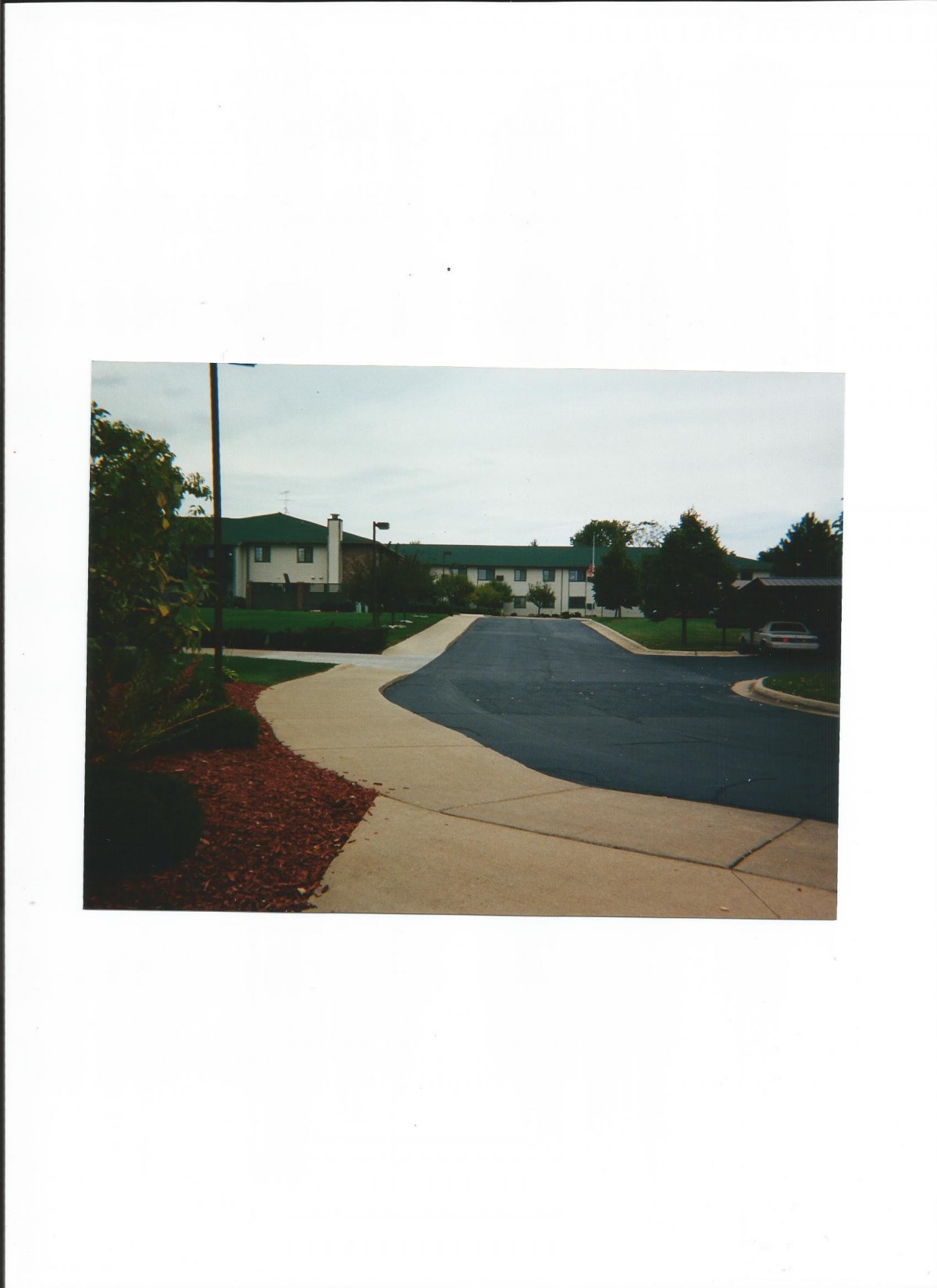
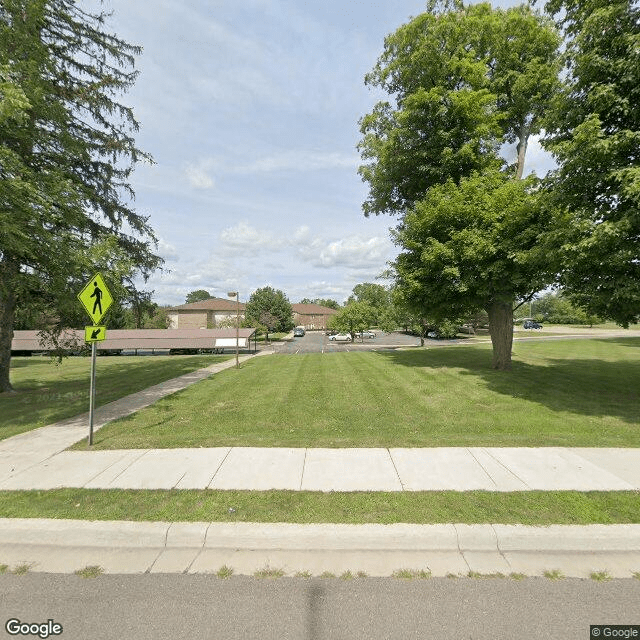
900 W Territorial, Battle Creek, MI 49015
To contact a resident: (269) 968-0300
For more information about senior living options: (866) 208-4318
Lakeview Meadows II Costs & Pricing
Lakeview Meadows II offers competitively priced accommodations compared to the wider market, providing a financially accessible option for residents in the Kalamazoo area and across Michigan. With monthly costs of $590 for a one-bedroom unit and $680 for a two-bedroom unit, residents can enjoy significant savings - over $2,000 less than the average costs in Kalamazoo County and even more when compared to state averages. This makes Lakeview Meadows II an appealing choice for those seeking quality living arrangements without the burden of exorbitant fees, allowing residents to maintain their independence while benefiting from community amenities and support.
| Floor plans | Lakeview Meadows II | Kalamazoo County | Michigan |
|---|---|---|---|
| 1 Bedroom | $590 | $2,890 | $3,384 |
| 2 Bedrooms | $680 | $2,602 | $3,523 |
Senior living communities with a similar price nearby
-
from +$85 / mo
Crossroads Village Apartments
$675 to $790 / month20.6 miles away -
About the same
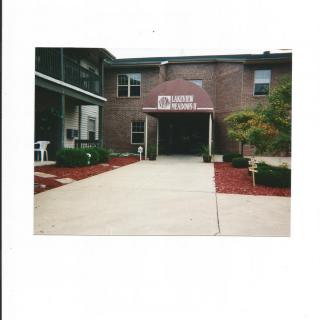
Lakeview Meadows I
$590 to $680 / month0.1 miles away -
from -$54 / mo
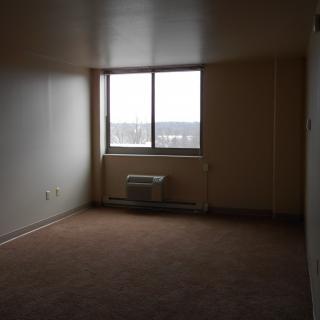
Springview Tower
$536 / month2.7 miles away
Overall Review of Lakeview Meadows II
Pros
 The reviewer considers moving to Lakeview Meadows the best decision they ever made.
- The manager Diane and Tim are beyond compare.
- The apartments offer a nice and friendly atmosphere among residents.
- The rent offers excellent value.
- The community is very nice.
- A resident has lived there for eight and a half years and loves it.
- The staff are friendly, particularly Mandi Burrows, who is always nice and helpful.
- The building is always clean.
Cons
 The owners and management have lost sight of what is important.
- Since becoming privately owned, Lakeview Meadows has gone downhill.
- The building is no longer safe for women, with harassment and bullying of single women occurring.
- Cars are being vandalized and drugs are sold out of the building.
- The bottom line is that people should not move there.
Review
Lakeview Meadows II in Battle Creek is best suited for seniors who want an affordable, low-maintenance home with a warm, neighborly atmosphere and responsive on-site management. The community tends to appeal to residents who prize quiet surroundings, clean common areas, and a steady sense of stability drawn from long-tenured neighbors. This is not a guaranteed safe harbor for every retiree: those who require robust safety protocols, elevated security, or formal, daily assisted-living support should consider alternatives.
Among the clearest strengths are friendly, attentive staff and well-kept apartments. Residents consistently describe a clean building, a quiet location, and good value for rent. The atmosphere among residents is described as welcoming and supportive, with a real sense of community that softens the daily routine. A number of staff members receive particular praise for their helpfulness, signaling that frontline service remains a meaningful advantage even as ownership has changed hands.
Long-tenured residents reinforce the positive, creating a narrative of belonging and continuity. Years of residence translate into real social cohesion: neighbors know one another, look out for each other, and contribute to a stable, low-stress living environment. This constructive social fabric is not casual; it represents a tangible net benefit for those who thrive in a family-like community where daily interactions feel familiar and reassuring.
The most consequential concerns, however, center on safety and governance following the privately owned transition. Reports allege that curb appeal and visible upkeep have eclipsed essential protections, with claims of harassment toward single women, vandalism, and drug activity nearby. These allegations are not trivial; they touch everyday life and personal security in a way that can negate the comfort of a well-kept lobby or friendly staff. For single women or residents with limited support networks, these risks loom large and cannot be dismissed.
In weighing the positives against the negatives, the value proposition remains real but fragile. The clean, quiet environment, approachable team, and social warmth deliver meaningful benefits that many residents clearly value. Yet the safety and governance gaps have the power to overwhelm these advantages, especially for those prioritizing predictability and security. Prospective residents must assess personal risk tolerance against the desire for companionship and affordability, recognizing that the favorable elements may not fully compensate for the uncertainty surrounding safety and oversight.
For families contemplating Lakeview Meadows II, informed due diligence is essential. Visit at different times, speak with multiple residents, and press management on current safety policies, security measures, and any concrete steps underway to address harassment, vandalism, or drug-related issues. If security and consistent operational oversight are non-negotiable, alternatives with stronger safeguards and more formal support options should be pursued. If the decision leans toward Lakeview Meadows II, enter with clear expectations: embrace the warmth, affordability, and community spirit, while recognizing the significant caveat about safety and governance. In the right circumstances, this community can deliver genuine companionship and practical value; in others, the risk profile outweighs the upside.
 Active Adult Communities (55+)
 Cats allowed
 Dogs allowed
 Activities on-site
 Bath tubs
 Beautician on-site
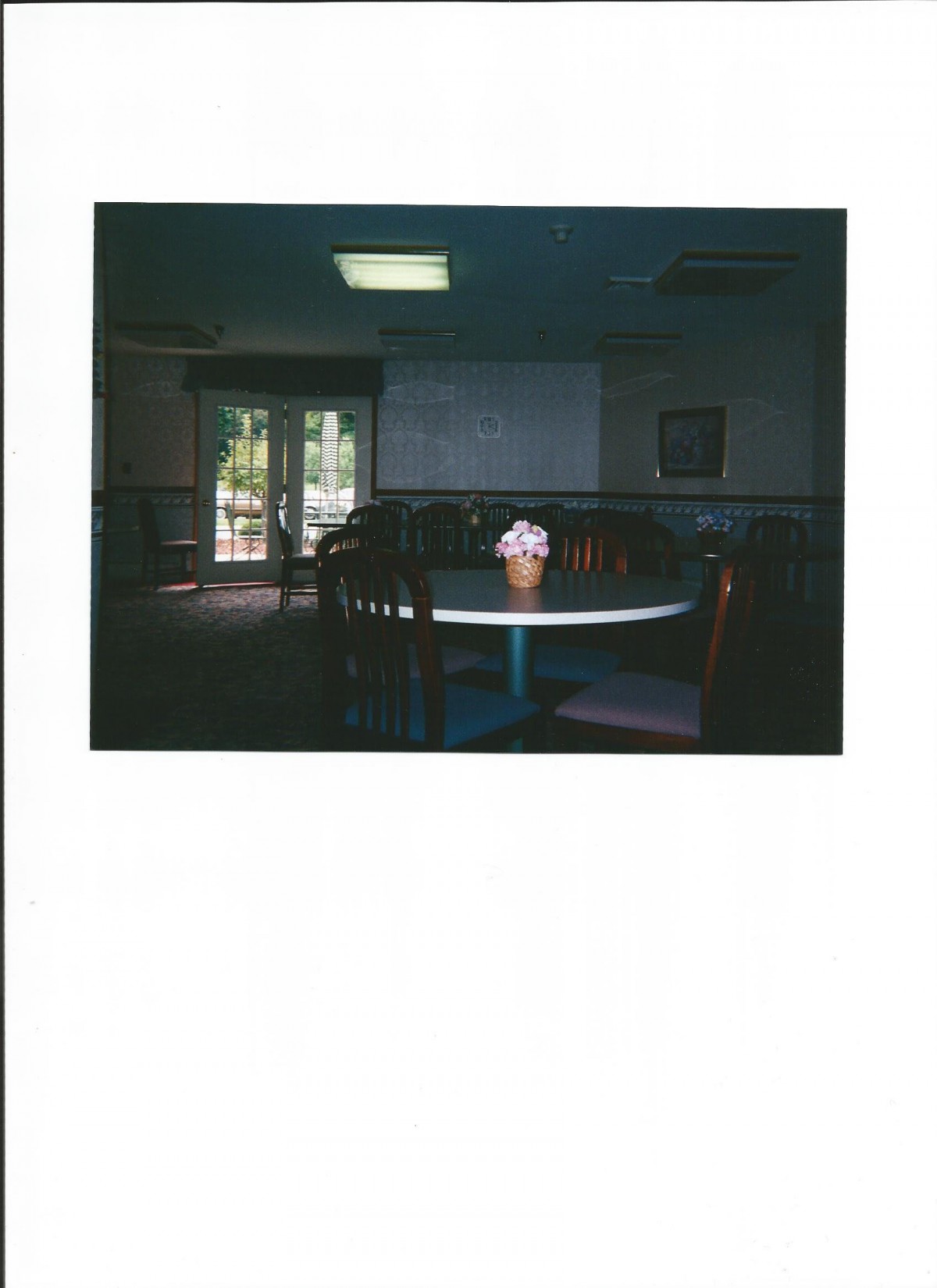
 Indoor common areas
 Kalamazoo County (18 miles away)
 Skilled Nursing Facilities vs. Nursing Homes: Making Sense of the Differences
 A Detailed Examination of Nursing Home Costs Across the U.S.
 Exploring Nonmedical Home Care: Understanding Services, Costs, and Financial Approaches