
160 Orbit Drive, Battle Creek, MI 49014
For more information about senior living options: (866) 208-4318
Creekside Living Center Costs & Pricing
Creekside Living Center offers private rooms at a monthly cost of $4,585, which positions it above the average costs seen in both Calhoun County and the broader Michigan state context. In Calhoun County, the average cost for similar private accommodations is approximately $4,172, while state-wide figures indicate a lower average of $3,675. This pricing suggests that Creekside Living Center may provide additional amenities or services that contribute to its higher rate, reflecting a potential emphasis on quality care and enhanced living conditions for residents. It is essential for prospective residents and their families to weigh these costs against the specific offerings and overall value provided by Creekside Living Center in comparison to other local options.
| Floor plans | Creekside Living Center | Calhoun County | Michigan |
|---|---|---|---|
| Private | $4,585 | $4,172 | $3,674 |
Memory care communities with a similar price nearby
-
from +$149 / mo
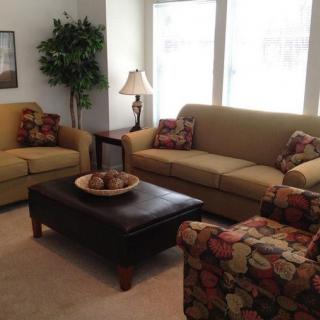
Friendship Village Kalamazoo
$4,734 / month24.5 miles away -
from +$215 / mo
Sue's Loving Care
$4,800 to $5,200 / month20.2 miles away -
from -$430 / mo
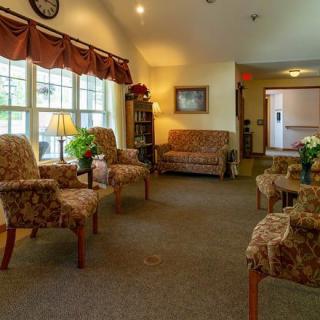
Brookdale Battle Creek
$4,155 to $5,395 / month2.6 miles away -
from +$815 / mo

Vibrant Life of Kalamazoo
$5,400 / month24.0 miles away -
from +$660 / mo
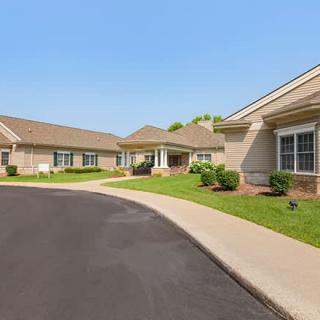
Brookdale Portage
$5,245 to $6,995 / month24.2 miles away
Overall Review of Creekside Living Center
Pros
 The staff is very pleasant and caring.
- The environment is homey and clean.
- Meadows Creek has a nice rural setting and the care is excellent.
Cons
 The facility provides substandard care.
- There were numerous issues that the management and staff failed to address.
- The resident’s personal hygiene and nutrition were neglected, with claims that there wasn’t money for groceries.
- The electricity was turned off due to non-payment.
- Over nine months, the resident lost about 30 pounds, and the kitchen was found to be unsanitary.
- The place is not what it seems, despite a beautiful setting and friendly staff, and the reviewer regrets placing a loved one there and warns others not to go.
- The facility does not pay on time.
Review
Creekside Living Center in Battle Creek, MI, is best suited for seniors who value a rural, home-like setting and a friendly, personable staff, and who can tolerate a wide swing in day-to-day operations. The strongest appeal lies in the atmosphere: a pleasant, almost intimate environment where caregivers come across as caring and approachable. For residents who can participate in their own care planning and for families willing to stay actively involved, the place can feel workable when things are aligned. But this suitability hinges on robust oversight and consistent operations, which are not reliably present.
Those who should seriously consider alternatives are families seeking consistently high-level daily care, predictable nutrition, and financial stability. The pattern of management and financial red flags, paired with documented lapses in basic care, signals that this community may not meet the needs of residents who require steady supervision, timely meals, and dependable maintenance. If a loved one depends on strict meal provision, steady electricity, and a consistently clean kitchen, Creekside’s current record raises alarms about safety, nutrition, and basic operations. In short, those with higher care needs or tighter expectations for reliability should explore other options first.
On the upside, the environment and some staff interactions are tangible positives. When care is functioning well, the setting feels homelike and the people on the floor can be genuinely warm and attentive. A rural setting can offer quiet, familiar rhythms that some families prize, and a compassionate demeanor among caregivers can make daily interactions noticeably reassuring. The apparent strength here is relational: residents can experience kindness and personal attention that makes the days feel livable, especially when staffing levels cooperate with a resident’s routines.
However, the core cons substantially undermine those positives. Several reports describe substandard care that affected the most basic needs: personal hygiene lapses, questions about whether meals were adequately provided, and a striking instance of the electricity being turned off for non-payment. Over an extended period, one resident lost significant weight, became frail, and required hospice, with family members stepping in to compensate by delivering groceries and preparing meals. Even when the facility is clean and the kitchen appears pleasant, these documented gaps reveal a fragile care framework that cannot be trusted to sustain a vulnerable senior without constant family involvement and intervention.
Further complicating the decision is a troubling pattern around management and finances. The same operational gaps are tempered by repeated concerns about the reliability of payments and payroll, which threaten staff continuity and the consistency of service. When a facility cannot guarantee timely payroll or stable funding, the entire ecosystem of care becomes vulnerable to disruption. Families must weigh the risk that caregiving quality may ebb in response to financial instability or leadership turnover, especially in moments when a resident’s needs spike or a caregiver shortage occurs.
The practical takeaway is clear. Creekside Living Center can offer a favorable social ambiance and compassionate staff in the right circumstances, but those advantages do not reliably compensate for the most serious red flags: inconsistent care, nutrition concerns, unsafe financial practices, and potential lapses in basic safety measures. Families evaluating this community should conduct rigorous, unannounced visits, request current meal plans and kitchen oversight, verify current staffing levels and turnover, and review state-specific inspection records before making any commitment. If a resident requires steady, predictable care and a stable operational backbone, alternatives with demonstrable track records in consistent nutrition, strong hygiene practices, and reliable payroll are likely the wiser choice.
 6 resident community capacity
 Assisted Living
 Board and Care Home
 Independent Living
 Memory Care
 Cable or satellite TV
 Dining room
 Fully furnished
 Garden
 Housekeeping services
 Move-in coordination
 Outdoor space
 Small library
 Telephone
 Kalamazoo County (20 miles away)
 24-hour supervision
 Activities of daily living assistance
 Assistance with bathing
 Assistance with dressing
 Assistance with transfers
 Diabetes diet
 Meal preparation and service
 Medication management
 Mental wellness program
 Special dietary restrictions

 Nourishing the Mind: Essential Dietary Approaches for Dementia
 Understanding Dementia Behaviors: Practical Insights and Strategies for Caregivers
 When Dementia Sparks Anger and Aggression: Understanding the Connection and Ways to Cope