
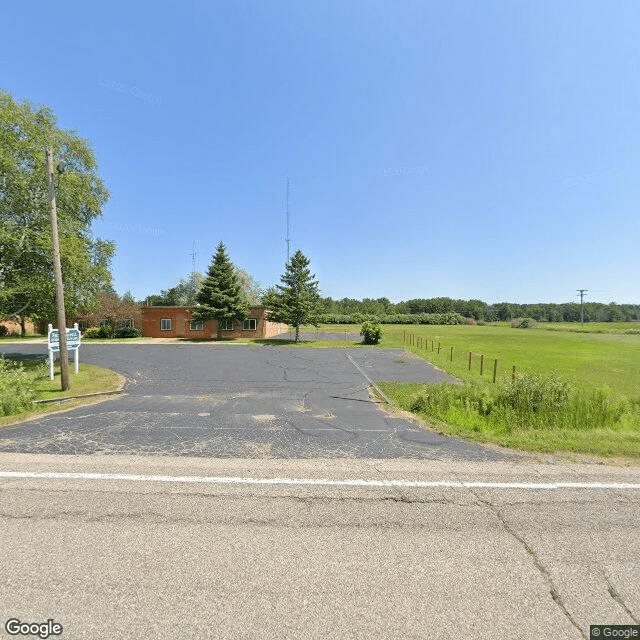
1601 Garfield Rd, Auburn, MI 48611
To contact a resident: (989) 662-4499
For more information about senior living options: (866) 208-4318
Auburn Care Center Costs & Pricing
Auburn Care Center offers competitive pricing for its services compared to both Bay County and the broader state of Michigan. For a semi-private room, residents pay $2,050 per month, which is significantly lower than the county average of $2,851 and the state average of $3,191. Similarly, the cost for a one-bedroom unit at Auburn Care Center is set at $2,350, again undercutting the county rate of $3,104 and the statewide figure of $3,384. These cost advantages highlight Auburn Care Center's commitment to providing affordable care options while maintaining quality living standards for its residents.
| Floor plans | Auburn Care Center | Bay County | Michigan |
|---|---|---|---|
| Semi-Private | $2,050 | $2,851 | $3,189 |
| 1 Bedroom | $2,350 | $3,104 | $3,384 |
Assisted Living communities with a similar price nearby
-
from +$100 / mo
New Hope Valley West
$2,150 to $3,500 / month16.2 miles away -
from +$345 / mo

Shattuck Home
$2,395 to $5,295 / month17.9 miles away -
from -$159 / mo
Community Village
$1,891 to $2,201 / month16.8 miles away -
from -$200 / mo
Woodhaven Senior Living at Bay City
$1,850 to $4,800 / month8.9 miles away -
from -$100 / mo
Abet AFC Home
$1,950 / month8.2 miles away
Overall Review of Auburn Care Center
Pros
 The owner is lovely.
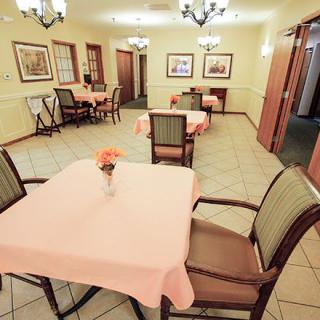
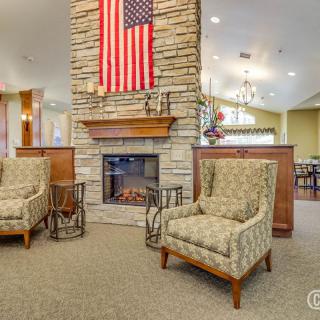
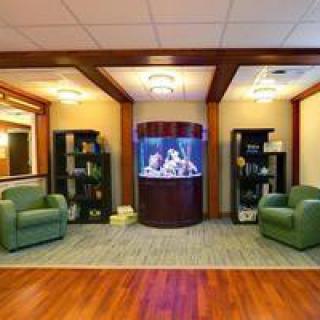
- The facility is comfortable, clean, and spacious.
- It is a home away from home.
- People would recommend it to anyone needing this service.
Review
Auburn Care Center in Auburn, Michigan is best suited for seniors who want a warm, home-like atmosphere and personal attention that feels more intimate than a hospital or large campus. This community appeals to families prioritizing comfort, cleanliness, and space over a clinical footprint. When a resident values a sense of family-style care, straightforward accessibility to the person in charge, and the reassurance that a smaller operation can deliver steady, individualized attention, this is a place to consider seriously.
Care seekers who require robust medical oversight, highly structured memory-care programming, or frequent on-site therapy should consider alternatives. The balance here leans toward a calm residential vibe rather than a heavy clinical regimen. For families needing aggressive rehabilitation, 24/7 skilled nursing, or specialized dementia services, other communities with formal programs and larger care teams may better fit the evolving needs of a resident.
From the available feedback, the strongest selling points are the owner’s warmth and the sense that the facility is a comfortable, clean, and spacious home away from home. A well-kept environment with tidy rooms and ample common space minimizes stress for new residents and supports a smooth transition. The emotional reassurance of a proprietor who is personally approachable can compensate for the absence of a more hospital-like atmosphere that some families want to avoid, turning initial nerves into steadier, everyday confidence.
That blend, cleanliness, comfort, and a personal touch, creates a care experience oriented toward dignity and daily peace of mind. For residents who thrive on routine, predictable surroundings, and a sense of belonging, the environment can be quietly powerful. Families can anticipate interactions that feel genuine rather than perfunctory, and residents may relish familiar, homelike touches that reinforce independence within safe boundaries. The overall vibe supports well-being, even if it is not the place for high-intensity clinical tasks.
Nevertheless, potential questions remain that warrant direct inquiry during a visit. The absence of detailed information on staff ratios, formal therapeutic services, and long-term alignment with evolving care needs means that residents and families should verify capabilities before committing. Those wanting a more bustling activity calendar, more structured rehab, or dementia-specific programming will want to tour with questions about programming depth, staffing coverage, and transition plans. Pricing clarity and what is included should be clarified to avoid surprises.
For families seeking a warmly operated, home-centered option in Auburn, Auburn Care Center offers a compelling fit. It stands out when comfort, cleanliness, and personal accessibility drive the choice. Conversely, for those prioritizing rigorous medical oversight, clinical specializations, or larger-scale amenities, alternatives may deliver better alignment. A disciplined tour, meeting the owner and direct caregivers, sampling a meal, reviewing a sample care plan, and speaking with current residents or families, will settle the decision with confidence rather than hope.
 Assisted Living
 Activities on-site
 Devotional services off-site
 Indoor common areas
 Mbs International (11 miles away)
 Ambulatory care
 Diabetic care
 Meals provided

 Comprehensive Insights into Activities of Daily Living (ADLs) and Their Assessment
 Medicare Coverage for Assisted Living: An In-Depth Exploration
 Choosing the Right Senior Care: A Detailed Exploration of Assisted Living and Nursing Homes