
165 Woods Hole Rd, Falmouth, MA 02540
To contact a resident: (508) 540-5052
For more information about senior living options: (866) 208-4318
Overall Review of Miller House
Pros
 Christina and Natalie are deeply appreciated for their lifesaving care.
- The facility is described as the best, with staff who saved lives and helped residents heal.
- Martha and her hand-picked staff are dedicated, compassionate, and able to relate to residents’ struggles.
- Many graduates of the house stay connected, reflecting the program’s lasting impact.
- The house is great, with Martha going above and beyond, and the people inside making it special.
- The program is excellent, and the staff are available 24/7 for support.
Cons
 A staff member hung up on the caller after realizing they were seeking detox services and offered no referral.
- The secretary/front desk staff chose to hang up the phone on the caller after pretending not to know anyone’s extension.
- The caller was left on hold for almost 10 minutes and faced complaints when requesting voicemail.
- The level of professionalism at the facility is disgusting.
- The reviewer would never recommend this facility and advised others to take loved ones elsewhere.
Review
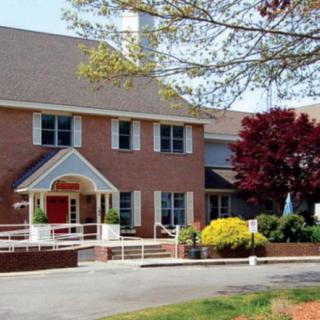
Miller House in Falmouth, MA is best suited for adults who are genuinely ready to reclaim their lives through a focused, peer-driven recovery program. This is not a glossy hospital vibe; it is a hands-on house where graduates now help run the program and stay closely engaged with residents. Families should look here if the priority is a proven structure, sustained accountability, and intimate, around-the-clock access to a recovery team that understands the day-to-day realities of ongoing sobriety. Those who want a polished intake process or a more clinical, impersonal setting may want to consider alternatives, because the administrative experience can be uneven and not every caller feels treated with consistent courtesy.
On the positive side, the program has produced powerful, life-changing outcomes for many residents. The care team is described as deeply committed; nurses and the program director are singled out for their hands-on support. The atmosphere is not generic; it is built by people who have lived through addiction themselves, with graduates of the house taking on staff roles and serving as living proof that recovery is possible. Residents report the program’s approach helps them face their addiction head-on, learn coping skills, and stabilize so they can contribute to society again. The sense that this place saved lives recurs in multiple testimonials, underscoring a track record of meaningful, durable change when residents engage fully.
Yet there are credible concerns about how the facility handles first impressions. A small but troubling thread centers on administrative interactions: a front-desk staff member reportedly hung up, offered poor navigation of extensions, and left a caller waiting excessively. This kind of friction matters because intake and ongoing communications set the tone for trust and engagement. A detox referral misstep further underscores that not every contact with administration is smooth. These experiences are not universal, but they do puncture the otherwise hopeful narrative and can deter families from pursuing Miller House without due diligence.
Despite the caution appears warranted, the strongest argument for Miller House lies in the program’s depth and the people who keep it running. The staff aren’t just present; they are personally involved, live-and-breathe recovery mentors, and the network of graduates who return to support current residents creates a compelling continuity. The 24/7 availability and the emphasis on accountability produce a structure that can carry people through the most difficult early stages of sobriety. For residents who buy in, the consistent presence of a dedicated team helps them cultivate new coping mechanisms, rebuild self-efficacy, and rejoin community life stronger than before.
For families weighing options, the wall between pros and cons becomes most permeable when administrative warmth and predictable processes are non-negotiable. If the caregiver requires consistently polished communication, a uniformly professional intake experience, or a more formal clinical setting, alternatives may be preferable. Prospective residents who respond well to an intense, peer-led environment, where success hinges on personal commitment and supportive leadership, will likely tolerate, or even overlook, the rough edges in exchange for what the program delivers.
Bottom line: Miller House is a credible, high-impact option for the right candidate, someone ready to lean into a demanding recovery process and willing to engage with a community led by experienced, recovery-focused staff. It is less ideal for those who prize frictionless administration or a uniformly polished customer service experience. Families should plan a visit, talk with current residents and multiple staff members, and specifically probe how intake and ongoing communications are handled. If the questions align with desired outcomes, stability, accountability, and a community that believes in long-term sobriety, the rewards can be substantial, and the program’s strongest advocates speak from lived success rather than marketing.
 Board and Care Home
 Marthas Vineyard (11 miles away)






 Understanding Hospice Care at Home: Comprehensive Services, Key Benefits, and Eligibility
 Understanding the Full Cost of 24/7 In-Home Care: A Detailed Overview
 Exploring the World of Home Health Nurses: Qualifications, Roles, and Hiring Tips