
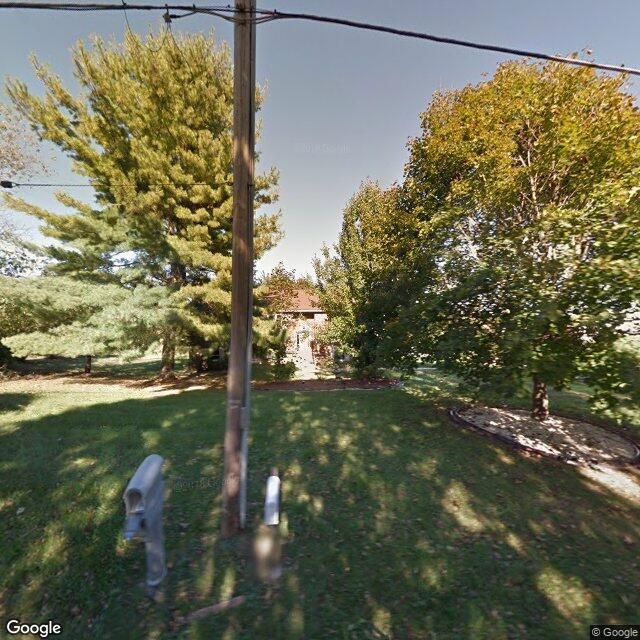
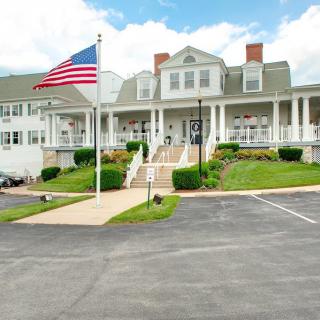
1246 Deer Park Rd, West Minster, MD 21158
To contact a resident: (240) 475-2325
For more information about senior living options: (866) 208-4318
Overall Review of Exceptional Care
Pros
 The staff at Revival Home Health were fantastic and professional.
- Tim and Abby were kind, friendly, patient, and professional RNs who guided him through the process.
- They helped him with his urostomy process after his surgery.
- He is grateful for their guidance and help.
- The 24-hour emergency number came to his rescue within a very reasonable time.
Cons
 None — the review is positive and contains no negative statements about Revival Home Health or its staff.
Review
Exceptional Care in West Minster is best suited for families that value medical responsiveness and seamless coordination with a trusted home health partner as a core component of senior living. The community’s appeal rests on the strength of its affiliated home health team, whose presence can bridge hospital-to-home transitions with confidence. For families facing post-acute needs, ongoing nursing support, or procedures that benefit from clear medical guidance, this environment delivers a practical, hands-on sense of security. The emphasis on professional nursing oversight and rapid access to help makes it a strong fit for residents who prioritize continuity of care and dependability in day-to-day health management.
Those who should consider alternatives are primarily structure-focused or cost-conscious buyers who want deeper in-house medical ecosystems. If the priority is a campus with robust on-site skilled nursing, dedicated memory care, or an expansive, in-house schedule of therapeutic programming, this community may not fully meet those expectations. Additionally, households seeking a highly integrated continuum of care with extensive in-house specialties, from rehab to dementia-specific programming, should compare offerings at other communities that highlight substantial in-house resources rather than relying predominantly on external home health partners.
The strongest upside here lies in access to Revival Home Health, described as professional, kind, and patient in the most practical ways. The two lead RNs cited, Tim and Abby, are portrayed as approachable experts who guide residents through medical processes and emergencies with composure. The ability to navigate complex situations, such as ostomy care, with clear, supportive instruction reduces family worry and supports independent living for as long as possible. The 24-hour emergency line, noted as reliably responsive, further reinforces a safety net that can be decisive for families evaluating after-surgery or post-discharge plans. Taken together, these home-health strengths create a practical backbone for daily life that can offset concerns about medical oversight in a campus setting.
Where the reviews leave room for caution, the absence of broader, in-depth detail about on-site care occasionally raises questions for families planning long-term residency. The positive focus on external nursing support suggests a high level of competence, yet it also signals a potential gap in publicly visible, campus-wide medical offerings. Prospective residents should verify what is available directly on site, memory care options, on-site nursing ratios, rehabilitative services, and how care plans smoothly transition between hospital, home health, and daily living. Ensuring alignment between the home-health partner and campus leadership is essential to prevent any disconnect as needs evolve.
To make a well-informed decision, families should pursue a structured evaluation path. Schedule conversations with admissions and the director of nursing to map the full continuum of care, including how cases are escalated, how often care plans are reviewed, and how home health teams integrate with on-site staff. Request examples of care plans for common conditions, as well as timelines for transitions from independent living to assisted living or skilled nursing, if offered. Discuss costs and coverage: what portion is borne by the resident, what is offset by home health services, and whether there are bundled options that include therapy, transportation, and meal programs. Finally, ask to meet Tim, Abby, or other home-health partners in person to gauge communication styles and confirm they can sustain medical support for evolving needs over time.
The bottom line is clear: Exceptional Care is a compelling choice for families prioritizing dependable medical oversight delivered through a strong home-health alliance. Its practical advantages, responsive nursing, hands-on guidance, and a 24/7 emergency contact, create a robust safety net that can ease transitions and support longer, safer stays for residents with ongoing health considerations. However, for families seeking a campus with substantial in-house medical depth or specialized memory-care programming, exploring alternatives with more expansive on-site services is prudent. The prudent approach is to compare options, verify the coordination between home health and on-site staff, and insist on a transparent, testable plan for how care will evolve as needs change.




 Top Canine Companions for Older Adults
 Comprehensive Guide to Blood Pressure Charts for Older Adults: Understanding Normal and High Readings by Age
 Financing Long-Term Nursing Home Care Through Social Security: A Thorough Exploration