
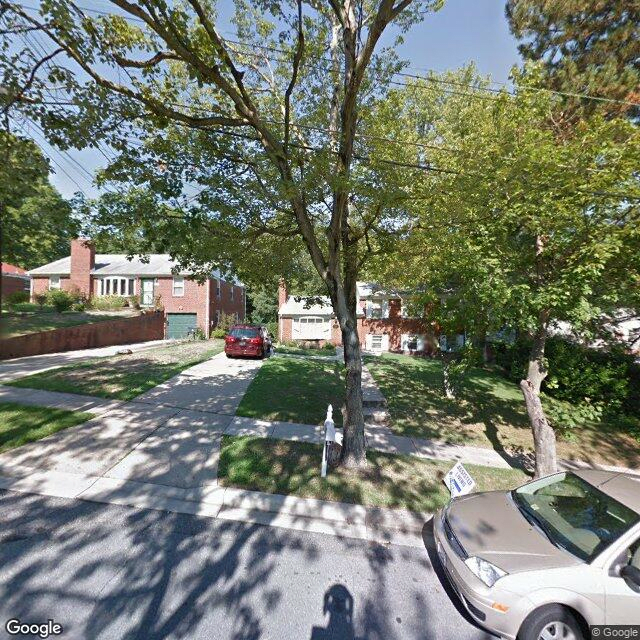
6207 Joyce Drive, Temple Hills, MD 20748
For more information about senior living options: (866) 208-4318
Lifesprings Eldercare II Costs & Pricing
Lifesprings Eldercare II offers competitive pricing for its residential care services compared to both Prince George's County and the broader Maryland state averages. For semi-private accommodations, Lifesprings charges $2,700 per month, which is significantly lower than the county's average of $3,058 and the state's average of $3,545. Similarly, for private rooms, Lifesprings' rate of $3,100 remains more affordable than the county price of $3,792 and the state average of $4,112. This pricing structure positions Lifesprings Eldercare II as a cost-effective option for quality eldercare within a region where expenses can be quite high.
| Floor plans | Lifesprings Eldercare II | Prince George's County | Maryland |
|---|---|---|---|
| Semi-Private | $2,700 | $3,058 | $3,545 |
| Private | $3,100 | $3,792 | $4,112 |
Assisted Living communities with a similar price nearby
-
from -$200 / mo
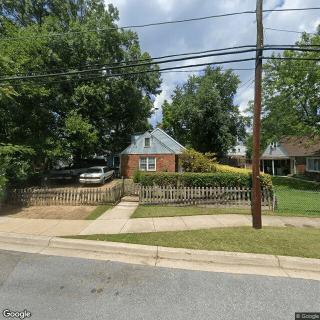
Amazing Grace Senior Care
$2,500 to $3,000 / month8.9 miles away -
from -$100 / mo
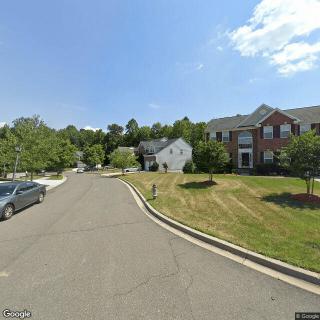
My Parent's Place
$2,600 to $3,000 / month7.8 miles away -
from -$230 / mo
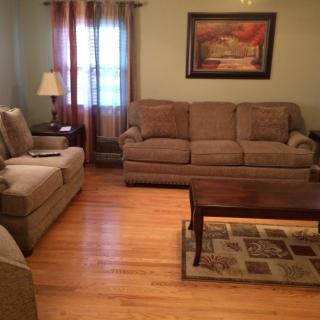
Ovalstone Comfort Home
$2,470 to $3,300 / month16.4 miles away -
from +$300 / mo
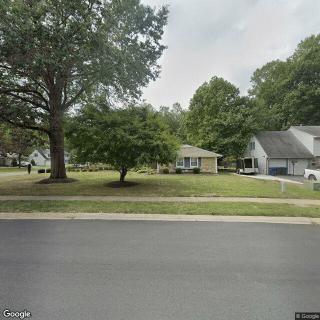
Elsie's Place
$3,000 to $3,500 / month12.4 miles away -
from +$300 / mo
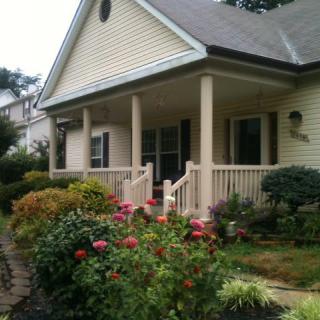
Queen's Court Assisted Living
$3,000 / month4.0 miles away
Overall Review of Lifesprings Eldercare II
Pros
 Lifesprings Eldercare is consistently clean and odor-free.
- The staff promptly informs families about health concerns and resident needs.
- Transportation is provided via a private bus for outings.
- The living spaces are spacious and immaculate, with clean bathrooms.
- Care has improved health, reduced medications, and provides visual and mental stimulation.
- The setting is beautiful, home-like, and handicapped-accessible with pleasant views.
- The staff consistently go above and beyond, showing courtesy and genuine care.
- Meals are nutritious, and the facilities are well-maintained with clean kitchens and welcoming grounds.
Cons
 He hated the two other facilities he had been in before LifeSprings.
- Most elders do not want to be in a facility.
Review
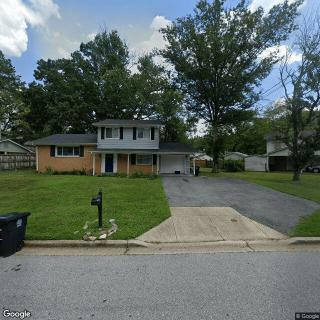
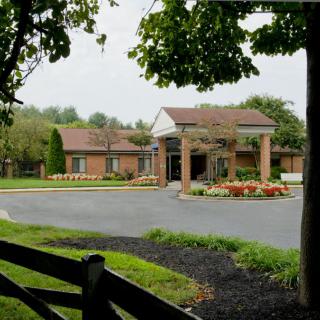
Lifesprings Eldercare II is best suited for seniors who need substantial daily assistance but still benefit from a warm, home-like setting. The reviews consistently highlight a clean, welcoming environment, dependable staff, and robust social programming, including scheduled outings via a private bus and regular family events. This is a campus-style operation that can feel intimate, three Lifesprings facilities in the area, yet it remains focused on personal care, not hospital-like protocols. Families seeking frequent, clear updates when a loved one’s health or mood shifts will find alignment here. For residents who require help with mobility, meals, hygiene, medication reminders, and transportation, Lifesprings Eldercare II delivers a practical, reliable home base.
The daily reality confirms the standout strengths: immaculate upkeep across rooms and bathrooms, a fresh smell that signals true routine care, and residents who appear well-groomed and comfortable. Staff are approachable and responsive, with families consistently notified promptly when concerns arise and care plans adjusted as needed. Transportation is robust, with a private bus enabling regular outings that sustain social ties and engagement. The environment supports dignity and independence within a supportive frame, handicapped accessibility, deck and garden views, and open kitchen layouts that reassure families about meal prep. An engaged owner and an activities director keep the schedule lively, meaningful, and tailored to resident interests, rather than leaving individuals idle.
Where families should pause and compare: the upside comes with a practical consideration about medical oversight. A nurse practitioner visits roughly every 45 days, which suffices for routine review but may fall short for residents who require continuous medical monitoring or rapid changes in condition. There isn’t explicit emphasis on dementia-specific programming within these accounts, so families seeking a dedicated memory-care wing or more intensive clinical support may want to weigh alternatives with stronger memory-care infrastructure. For those who prioritize round-the-clock physician availability or highly specialized therapies, a facility with on-site 24/7 nursing and memory-care specialization could be a better match. Budget clarity matters as well; verify what is included and whether waivers or subsidies align with long-term plans.
The strengths offset potential gaps by creating a steady, accountable environment. Cleanliness, transparent communication, reliable staffing, and a rich activity calendar reduce anxiety for families and lower the risk of social withdrawal for residents. The consistent emphasis on family involvement, outings, celebrations, and regular updates, translates into genuine reassurance for relatives who live far away. The home-like atmosphere, combined with a hands-on owner who prioritizes maintenance and staff morale, yields dependable quality across the location. In short, the practical benefits, safety, accessibility, social connection, and predictable caregiving, often outweigh the relatively infrequent on-site medical rounds.
Who will thrive here, and who may not: the community suits active, social seniors who need daily assistance but still value autonomy within a nurturing routine. Residents who respond well to structured activities, regular outings, and visible staff warmth will gain the most from Lifesprings Eldercare II’s culture, with families enjoying straightforward communication and predictable service. This setting isn’t ideal for those requiring continuous, hospital-grade medical oversight or a dementia care unit with specialized staffing; it leans toward a supportive, home-style model rather than a high-intensity clinical environment. Budget-conscious families should verify all costs and benefits upfront, as the warm, community-focused approach carries a tangible value that must align with financial planning.
Bottom-line guidance for families: Lifesprings Eldercare II stands out for its cleanliness, responsive staff, and family-inclusive culture, complemented by a lively social calendar and dependable transportation. It is a strong fit for full-care seniors who thrive in a home-like atmosphere and value regular updates and engagement. It is less suited for those requiring constant medical supervision or dementia-specific continuous care. A prudent next step is a guided tour to gauge atmosphere and privacy, with clear questions about caregiver-to-resident ratios, frequency of medical oversight, transportation schedules, and available memory-care options. With a grounded understanding of needs and budget, Lifesprings Eldercare II can be a practical, reassuring home that keeps dignity, safety, and connection front and center.
 8 resident community capacity
 Assisted Living
 Board and Care Home
 Activities off-site
 Bath tubs
 Cable or satellite TV
 Devotional services off-site
 Dining room
 Fully furnished
 Garden
 Housekeeping services
 Indoor common areas
 Move-in coordination
 Outdoor common areas
 Private
 Private bathrooms
 Respite or short term stays offered
 Telephone
 Wheelchair accessible showers
 Wi-Fi/high-speed internet available
 Ronald Reagan Washington National (7 miles away)
 24-hour supervision
 Ambulatory care
 Assistance with bathing
 Assistance with dressing
 Assistance with transfers
 Diabetes diet
 Diabetic care
 High acuity care
 Incontinence care
 Meal preparation and service
 Medication management
 Special dietary restrictions
 Transportation arrangement (medical)
 Transportation to doctors appointments
 Adventist services
 Buddhist services
 Islamic services
 Exploring the Path to Senior Living: A Comprehensive Look at Independent Living and Assisted Living
 Is Assisted Living Deductible on Your Taxes? Understanding the Complexities of Assisted Living Expenses and Deductions
 Assisted Living Support for Veterans: A Complete and Detailed Overview