
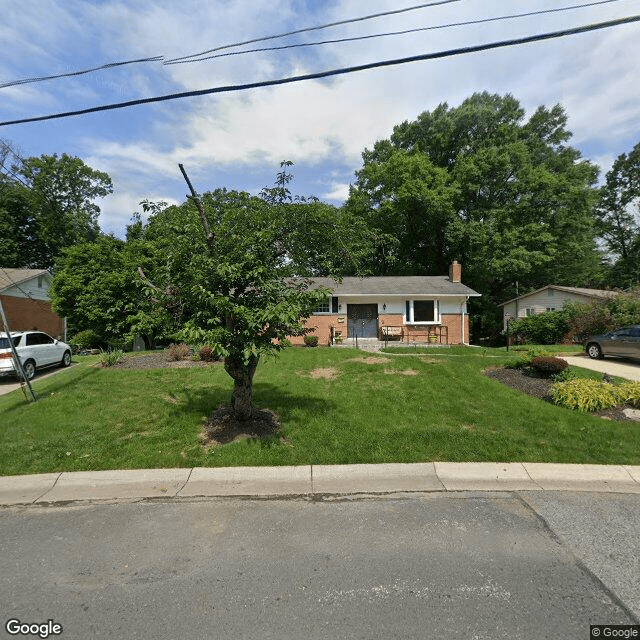
1312 Xaveria Drive, Silver Spring, MD 20903
To contact a resident: (301) 431-5705
For more information about senior living options: (866) 208-4318
Overall Review of Classic Assisted Living, LLC
Pros
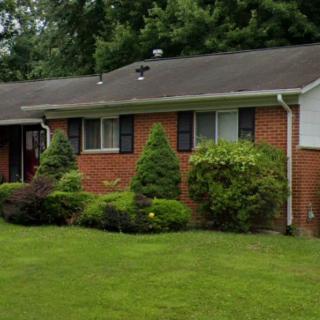
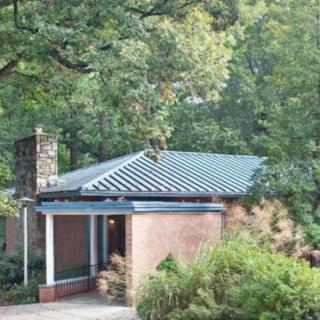
 The place was amazing in appearance.
- It is a beautiful neighborhood private home.
- It is super clean and has a huge glass eating area that looks out onto the vast backyard.
- Usha was lovely.
- The home is clean, bright, and the assistant caretaker seems to be qualified, warm and friendly.
- The experience was great.
Cons
 The property is not easy to access.
- The rent is over $3000 per month.
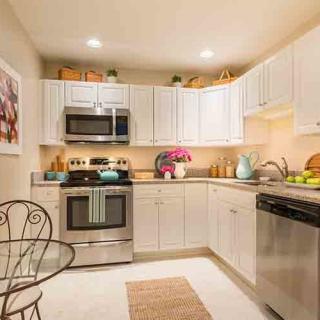
- Access to the kitchen is not allowed.
Review
Classic Assisted Living in Silver Spring is best suited for seniors who prize a warm, private-home atmosphere, a quiet residential setting, and regular opportunities for short, low-key outings like neighborhood walks. The property reads as a care-focused, homey space rather than a formal facility: a beautiful neighborhood location, a bright, clean interior, and a dining area with expansive glass that looks out on a sizable backyard. This combination appeals to families who want a homelike vibe, where staff interactions feel personal and where daily routines can center on comfort, companionship, and simple vitality rather than clinical rigidity. It suits residents who can tolerate higher monthly costs in exchange for ambience, privacy, and a small-house feel.
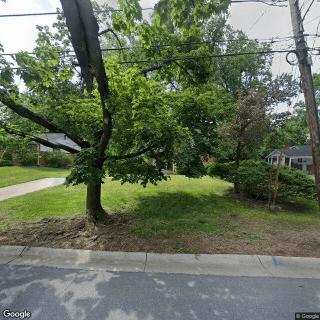
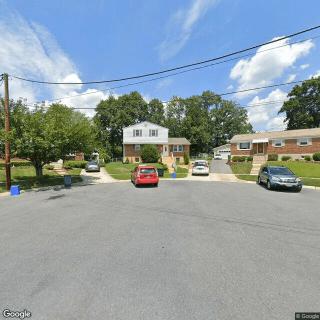
Those who may want to consider alternatives include families working within tighter budgets or needing more predictable, widely available programming and clinical oversight. The price tag described, over $3,000 per month, places this option in a premium tier, which may not be sustainable for all budgets or long-term care plans. Accessibility can also be a factor; the home is not easy to reach, and its dead-end-street location may complicate arrivals, visits, and emergency access. For seniors who require stronger on-site medical management, a broader calendar of structured activities, or more centralized services, larger assisted living communities or facilities with clear care ladders could deliver more consistent, scalable support.
Pros that hold meaningful weight include the home’s clean, bright presentation and the strong impression of attentive, personable care. The space feels cared for, and the large glass dining area creates an inviting focal point for meals and social time, which can help reduce isolation. The staff presence, particularly the caregiver identified in several notes as warm and qualified, signals a level of daily attention that families often fear is lost in larger campuses. Also, the emphasis on walking as a priority aligns with many seniors’ desire to stay active in a low-stress setting, and the quiet dead-end street can enhance safety and daytime calm for residents who value a serene environment.
But the operating realities temper those positives. The location’s accessibility challenges matter: ease of getting to and from the home affects family visits, transport to appointments, and the resident’s overall sense of independence. The persistent reminder that the kitchen is not accessible to residents or families is a notable policy constraint, potentially limiting daily autonomy and meal-related flexibility. And while warmth in staff is highlighted, the small size of the operation means that programming and routine services may not match what larger communities offer, leaving some families to fill gaps with external arrangements. These practical frictions can erode the otherwise appealing home-like experience if, for instance, a resident relies on frequent, convenient access to kitchen areas or needs more comprehensive activity schedules.
The review pattern also reflects a limited sample: a handful of impressions, with several lines reiterating the same positive staff acknowledgment and the same favorable impressions of the setting. That means the perceived strengths, appearance, cleanliness, and personal attention, are meaningful but not yet proven at scale. Families should triangulate these impressions with a tour, direct conversations with the caregiver team, and a clear, written outline of what is included in the monthly fee, what happens if care needs intensify, and how emergencies are managed in a private-home context. Verifying staffing levels, response times, and the exact scope of daily assistance will help prevent gaps between expectations and reality.
Bottom line: for families who want a homey, aesthetically pleasing environment with warm, hands-on care and who can absorb a higher price and potential accessibility quirks, Classic Assisted Living offers a compelling, comfortable option worth visiting. Those prioritizing affordability, consistent on-site programming, or easy, consistent access for visitors and medical needs may prefer scouting alternatives, larger communities or those with clearer mobility and care-continuum structures. A structured visit should focus on kitchen policies, access and transport logistics, daily activity offerings, and the reliability of staff during peak hours. If the aim is a serene, home-like setting with attentive, personable care, and if the budget and access realities align, this community deserves serious consideration.
 Cats allowed
 Dogs allowed
 Activities off-site
 Bath tubs
 Outdoor common areas
 Private bathrooms
 Respite or short term stays offered
 Ronald Reagan Washington National (12 miles away)
 Ambulatory care
 Diabetic care
 Incontinence care
 Meals provided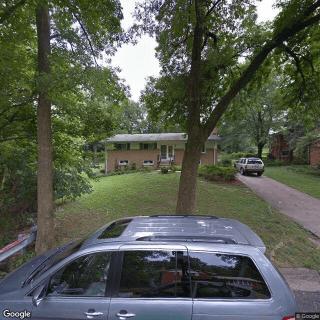

 Understanding the Nuances of Palliative Care and Hospice: A Comprehensive Exploration
 Is In-Home Healthcare Tax Deductible? Your Comprehensive Guide
 Nurturing Well-Being Through Gardening: A Detailed Guide for Senior Enthusiasts