
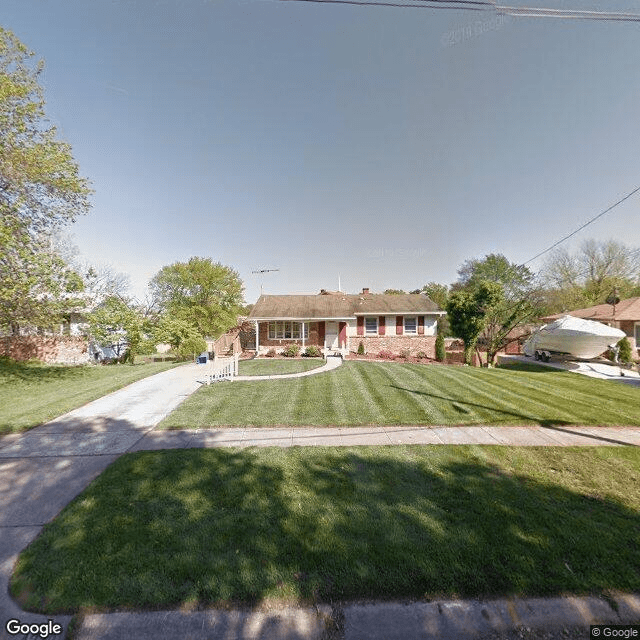
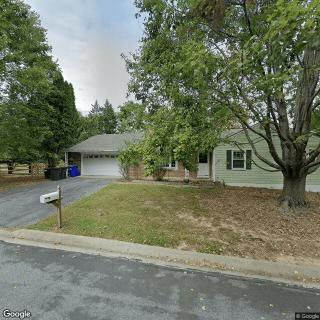
4230 Landgreen Street, Rockville, MD 20853
For more information about senior living options: (866) 208-4318
Nacal Home Care Costs & Pricing
Nacal Home Care offers a competitive pricing model for their private room service at $3,500 per month, significantly lower than the average costs in Montgomery County and the broader state of Maryland. In Montgomery County, the monthly rate for similar accommodations averages around $5,009, while the statewide average stands at approximately $4,112. This positions Nacal Home Care as an attractive option for individuals seeking quality care without compromising on affordability, particularly in a region where costs can be quite high. Their pricing reflects a commitment to providing essential services while maintaining accessibility for families and individuals in need of care.
| Floor plans | Nacal Home Care | Montgomery County | Maryland |
|---|---|---|---|
| Private | $3,500 | $5,009 | $4,112 |
Assisted Living communities with a similar price nearby
-
from +$500 / mo

Catherine's House
$4,000 / month14.6 miles away -
About the same
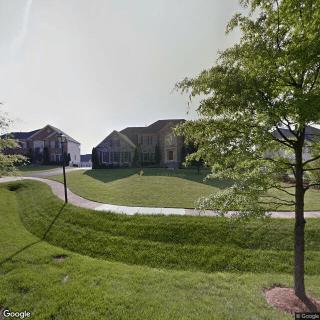
Best Home for Mom and Dad
$3,500 to $4,500 / month3.1 miles away -
from +$500 / mo
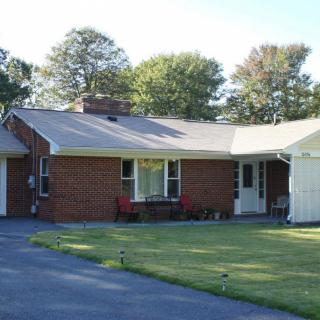
Montgomery Eldercare I
$4,000 to $5,900 / month4.8 miles away -
from +$300 / mo

Montgomery Eldercare II
$3,800 to $5,000 / month5.1 miles away -
About the same
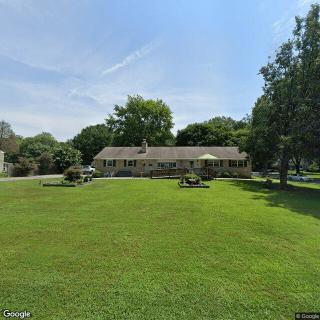
Greenway Manor
$3,500 to $3,800 / month19.6 miles away
Overall Review of Nacal Home Care
Pros
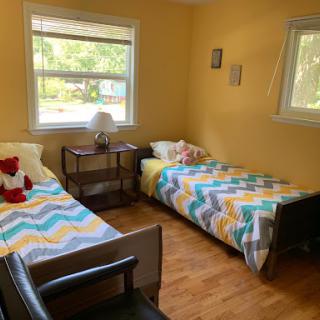
 The facility was very nice.
- They were willing to work with families.
- The facility was very clean.
- Some staff members were terrific.
- They would recommend it to other families.
- The community was well equipped for disabilities.
- The living area had a clear path to the kitchen.
- Everything looked spotless and the staff were very patient with residents and their health conditions.
Cons
 The loved one needed more care, such as Memory Care.
Review
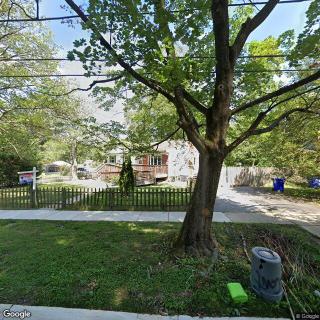
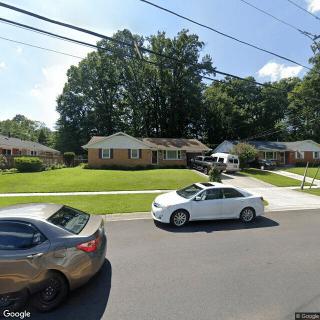
Nacal Home Care in Rockville is best suited for families seeking a compact, accessibility-forward setting that prioritizes safety, cleanliness, and a willingness to tailor care around memory-related needs. The community works well for seniors who require assistance with daily activities and benefit from a layout that minimizes barriers, one-level showers, ramps, and white handrails that invite independence while reducing fall risk. It stands out as a practical option for transitions or short- to mid-term stays where reliable collaboration with staff matters most. For families prioritizing long-term, highly specialized memory-care programming with robust medical oversight, however, alternatives with larger dedicated dementia units may be the better fit.
Cleanliness and responsive staffing emerge as the clearest, most durable strengths. Each description highlights a facility that is kept meticulously clean and orderly, a foundation for peace of mind when managing health conditions. The staff are described as generally patient and capable, with a demonstrated willingness to work with families to adjust routines and care plans. The ability to accommodate memory-care needs, even in a transitional or temporary context, signals a practical orientation toward real-world caregiving demands. Importantly, ongoing communication about changes in condition reinforces a sense of partnership and transparency, which is critical when navigating evolving care needs.
Accessibility is more than cosmetic in this setting. The design details, an accessible bathroom, drawbridge ramps, and dedicated handrails, indicate intentional planning around mobility and safety. A clear path from living room to kitchen further supports orientation and independence for residents dealing with cognitive or physical limitations. This attention to physical safety translates into fewer daily friction points for families and caregivers, reducing stress during routine activities like moving through living spaces, preparing meals, or navigating common areas. In short, the environment reinforces daily dignity while supporting essential supervision and assistance.
The information available, while positive, is somewhat limited. Only two reviews anchor the impression, which leaves important questions about long-term outcomes, staffing ratios per shift, and the depth of daily programming unanswered. The observations about staff performance suggest variability that warrants closer scrutiny during a visit and in ongoing conversations with the care team. Prospective families should seek specifics on nighttime coverage, medical oversight, meal quality, activity calendars, and how care plans scale as needs intensify. Without these details, appetite for long-range planning remains cautious, though not discouraged.
Despite the data gaps, the strongest advantages, exceptional cleanliness, accessibility-forward design, and a demonstrated willingness to tailor care, offer meaningful coverage for families prioritizing safety and collaborative planning. For residents with mobility limitations or early-to-mid-stage memory challenges, the setting minimizes barriers and creates a stable daily rhythm that supports reliable routines. The facility’s readiness to adapt to memory-care needs without committing to a long-term contract reflects practical flexibility that can smooth transitions or bridge to other options while evaluating longer-term arrangements.
For families weighing next steps, begin with a focused, in-person evaluation. Request a sample care plan, tour the care-team schedule, and ask pointed questions about memory-care programming specifics, daily activities, and how changes in condition are communicated. Verify nighttime staffing levels and the availability of on-call medical support. Compare with other Rockville communities offering deeper dementia programming and larger clinical teams to ensure long-term coverage aligns with expectations. If priority is a safe, clean, and collaboratively managed environment with accessible design, Nacal stands as a credible choice; if long-range, highly specialized memory-care capacity is non-negotiable, others may be a more comprehensive match.
 5 resident community capacity
 Assisted Living
 Board and Care Home
 Activities off-site
 Bath tubs
 Cable or satellite TV
 Dining room
 Fully furnished
 Garden
 Housekeeping services
 Move-in coordination
 Outdoor space
 Private
 Respite or short term stays offered
 Telephone
 Wheelchair accessible showers
 Wi-Fi/high-speed internet available
 Ronald Reagan Washington National (16 miles away)
 24-hour supervision
 Ambulatory care
 Assistance with bathing
 Assistance with dressing
 Assistance with transfers
 Diabetes diet
 Diabetic care
 High acuity care
 Incontinence care
 Meal preparation and service
 Medication management
 Special dietary restrictions
 Transportation arrangement (medical)
 Transportation to doctors appointments
 Choosing the Right Senior Care: A Detailed Exploration of Assisted Living and Nursing Homes
 Understanding the True Cost of Assisted Living in 2025: A Comprehensive Guide
 Understanding Medicaid Coverage for Assisted Living: A Comprehensive Guide