
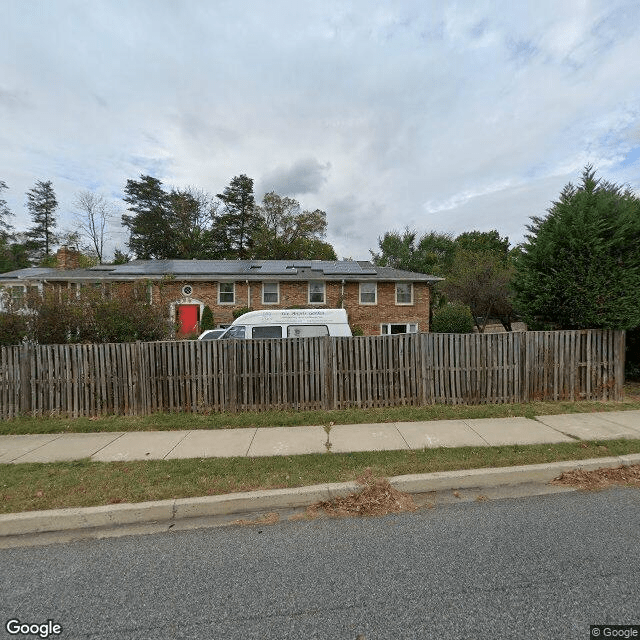
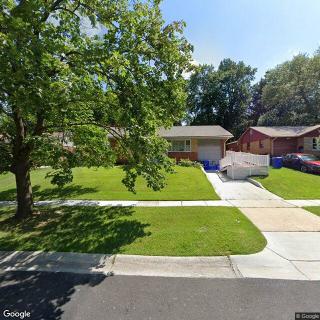
4101 Bel Pre Road, Rockville, MD 20853
For more information about senior living options: (866) 208-4318
Angels Garden Costs & Pricing
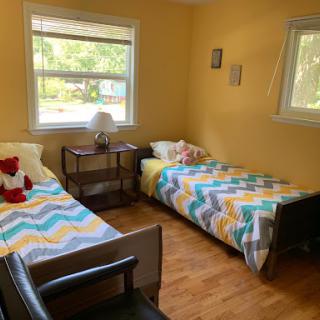
Angels Garden offers competitive monthly rates for its residential care services, with semi-private rooms priced at $3,500 and private rooms available for $4,500. In comparison to Montgomery County, where semi-private accommodations average $4,337 and private options are about $5,009, Angels Garden provides significant savings. Even when viewed alongside the broader Maryland averages - $3,545 for semi-private and $4,112 for private rooms - Angels Garden remains an appealing option while still delivering quality care. Overall, the facility stands out as a budget-friendly choice without compromising on the standard of living and support provided to its residents.
| Floor plans | Angels Garden | Montgomery County | Maryland |
|---|---|---|---|
| Semi-Private | $3,500 | $4,337 | $3,545 |
| Private | $4,500 | $5,009 | $4,112 |
Assisted Living communities with a similar price nearby
-
from +$500 / mo

Catherine's House
$4,000 / month14.1 miles away -
About the same
Best Home for Mom and Dad
$3,500 to $4,500 / month2.3 miles away -
from +$500 / mo
Montgomery Eldercare I
$4,000 to $5,900 / month4.5 miles away -
from -$525 / mo
Gneale Home Care
$2,975 / month24.9 miles away -
from +$300 / mo

Montgomery Eldercare II
$3,800 to $5,000 / month4.9 miles away
Overall Review of Angels Garden
Pros
 The home looked clean and residents seemed happy.
- It is a well-organized, family-run facility.
- The facility has an elevator.
- The director is a registered nurse who coordinates medical needs effectively.
- The home provides access to medical professionals visiting the premises, including physician assistants, doctors, and podiatrists.
- All the rooms are clean and neat.
- Residents were social and congregated together.
- The facility is bright and clean, with a calm environment.
Cons
 The reviewer considered the care home to be only a second choice.
- They did not like that the home had 14 residents, though licensed for 15.
- The downstairs kitchen was small.
- The reviewer noted food left out in Tupperware on the counters past lunchtime, which they viewed unfavorably.
Review
Angels Garden is best suited for families seeking a small, intimate, family-run environment where medical needs are actively monitored by a registered nurse and upstairs-downstairs routines stay orderly. The presence of an RN as director and ongoing access to physicians, physician assistants, and podiatry visits inside the home signal a level of medical attentiveness that makes this community a strong choice for seniors who require steady oversight without moving into a larger, more institutional campus. The facility’s compact footprint and elevator further favor residents with mobility limits who still want a homelike setting. The social dynamic stands out too: residents are visibly engaged, congregating together rather than passively watching television, which is a meaningful daily benefit for those who value companionship.
Nevertheless, those weighing alternatives should consider whether the mix of services matches deeper care needs or lifestyle preferences. If memory support needs are substantial, or if a resident requires around-the-clock skilled nursing, a larger campus with more formal programming may be a better fit. Families looking for a broader menu of specialized therapies, more robust activity calendars, or greater on-site staff coverage throughout the day may find limits here. Additionally, for households that prioritize a dining model with consistently hot meals and a larger kitchen operation, the downstairs kitchen’s small footprint and the observed practice of meals sitting in Tupperware could be a deterrent. This is not a deal-breaker for many, but it matters for those who value a restaurant-grade dining cadence.
On the strength side, the director’s RN background translates into practical medical coordination that can reduce friction when coordinating visits from doctors and allied professionals. That medical readiness often translates into quicker adaptations to evolving needs, clearer communication with families, and a sense of security that staff can intervene appropriately. The home’s cleanliness, orderly environment, and the staff’s engagement come through in conversations and daily interactions, reinforcing a sense of reliability and dignity. The social cohesion, patients gathering together, staff conversations with residents, and a generally bright, pleasant atmosphere, helps mitigate the constraints of the smaller scale and contributes to emotional well-being, which is a critical factor in overall quality of life.
The principal drawbacks revolve around logistics rather than philosophy of care. The bathroom placement, located down the hall from rooms, can feel less convenient for residents needing frequent assistance or for families with partners who share rooms. The kitchen area, while adequate, limited capacity affects meal timing and presentation; observations about meals cooling down hint at potential issues with service flow during peak times. The small licensed capacity (14 residents versus a 15-capacity license) is framed as either a gentle constraint that preserves intimacy or a potential signal of tighter staffing during peak periods, depending on expectations. Taken together, these factors are manageable but meaningful for families evaluating day-to-day practicality.
Ultimately, Angels Garden offers a compelling option for families prioritizing a close-knit, medically attentive, home-like setting over campus-scale amenities. The key pros, hands-on medical oversight, a caring RN-led direction, a social, engaged resident community, and a bright, clean environment, strongly offset the main cons for many residents. Those who crave expansive dining programs, larger social calendars, or strict adherence to a formal memory-care regime may prefer alternatives with more layers of service and a busier campus atmosphere. For decision-makers, the next steps are straightforward: arrange a visit, speak with the director about specific care routines and meal service timing, and observe first-hand how staff interact with residents during meals and daily activities. This community earns consideration for seniors who value intimacy, professional oversight, and genuine connection within a thoughtfully run, family-centered setting.
 15 resident community capacity
 Assisted Living
 Board and Care Home
 Cats allowed
 Dogs allowed
 Activities off-site
 Cable or satellite TV
 Devotional services off-site
 Dining room
 Fully furnished
 Garden
 Housekeeping services
 Indoor common areas
 Move-in coordination
 Outdoor common areas
 Private
 Respite or short term stays offered
 Telephone
 Wheelchair accessible showers
 Wi-Fi/high-speed internet available
 Ronald Reagan Washington National (17 miles away)
 24-hour supervision
 Ambulatory care
 Assistance with bathing
 Assistance with dressing
 Assistance with transfers
 Diabetes diet
 Diabetic care
 High acuity care
 Incontinence care
 Meal preparation and service
 Medication management
 Special dietary restrictions
 Transportation arrangement (medical)
 Transportation to doctors appointments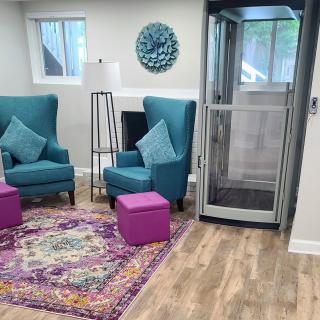


 Social Security Benefits and Assisted Living: Navigating Options Across the U.S.
 An Extensive Exploration of the VA Aid and Attendance Benefit
 Senior Transition Services: Understanding Their Role, Cost, and Importance