Residents and families describe highly individualized attention in a small community.
Several reviews emphasize that Sterling feels small and intimate, which they connect to more personalized day-to-day attention. Families mention details like staff tailoring care as needs increase and noticing individual preferences, rather than treating residents as a one-size-fits-all situation. One reviewer also highlights how the staff handles practical, comfort-focused details for residents, alongside help with day-to-day needs.
common5 reviews mention this
Homemade meals and diet tailoring
Many reviews praise the homemade, resident-focused meals.
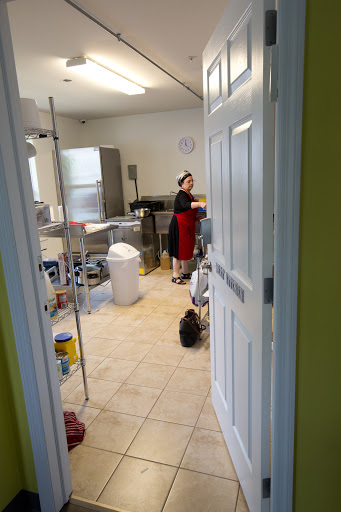
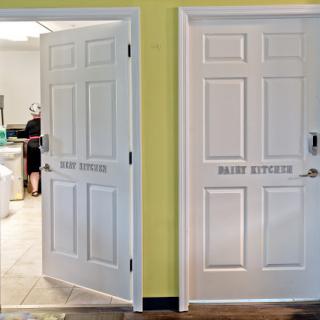
Food comes up repeatedly, with residents and families describing meals as homemade and made from scratch. Reviews also connect the kitchen to better eating experiences—for example, describing food that is plentiful, soft enough to manage swallowing, and tailored to residents’ needs. The community also offers meals and support for special dietary restrictions, which aligns with how families talk about individualized food care.
common3 reviews mention this
Jewish and spiritual support
Reviews highlight support for Jewish life and spiritual needs.
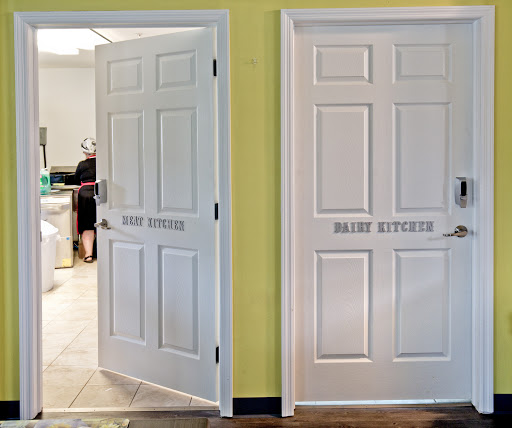
Some families describe Sterling as more than a care setting, noting that emotional, spiritual, and religious needs are part of the support. Multiple reviews mention Jewish routines and gatherings, including Shabbat meals and worship-related activities. This theme shows up alongside the care adjustments families say they saw as needs changed.
common17 reviews mention this
Warm, caring staff across care levels
Across reviews, residents and families consistently describe a warm, caring staff.
Reviewers repeatedly characterize the environment as warm and caring, with staff described as devoted, compassionate, patient, and attentive. Families also mention that leadership and staff focus on both care tasks and the overall resident experience. Some reviews specifically describe confidence that the staff can meet changing needs, which helps explain why multiple families recommend the community.
How we summarize
Counts show how many written reviews mention each theme; a review can touch several themes, and only frequently mentioned themes are displayed.
Features
Housing
16 resident community capacity
Types of Care
Assisted Living
Board and Care Home
Amenities
Activities on-site
Cable or satellite TV
Devotional services off-site
Dining room
Fully furnished
Garden
Housekeeping services
Indoor common areas
Move-in coordination
Outdoor space
Telephone
Wi-Fi/high-speed internet available
Transportation
Baltimore-Washington International (13 miles away)
Care Services
24-hour supervision
Activities of daily living assistance
Ambulatory care
Assistance with bathing
Assistance with dressing
Assistance with transfers
Coordination with health care providers
Diabetes diet
Diabetic care
Meal preparation and service
Medication management
Special dietary restrictions
Transportation arrangement (medical)
Transportation to doctors appointments
Dining
Diabetes diet
Meals provided
Special dietary restrictions
Activities
Activities on-site
Community-sponsored activities
Devotional activities offsite
Scheduled daily activities
Nearby Places of Interest
This area of Baltimore, Maryland offers a variety of amenities and services that may be appealing to seniors looking for a comfortable and convenient living environment. With multiple pharmacies, hospitals, and physicians in close proximity, residents can easily access healthcare services. Additionally, there are several well-known restaurants, cafes, and a theater for entertainment and dining options. Nearby parks provide opportunities for outdoor recreation, while places of worship offer spiritual support. The availability of public transportation at the Lutherville Light Rail Station and Penn Station makes it easy to explore the surrounding areas. Overall, this part of Baltimore provides a good balance of convenience and community for seniors looking to live in a vibrant neighborhood.
Pharmacies
Seven Mile Market (0.3 miles)
Rite Aid (1 miles)
Walgreens (1.3 miles)
Walgreens (1.6 miles)
Walgreens (1.6 miles)
CVS Pharmacy (1.6 miles)
Walgreens (2.8 miles)
Hospitals
Lifebridge Health Campus Service (1.5 miles)
Sinai Hospital Of Baltimore (2.6 miles)
Johns Hopkins Medicine at Green Spring Station (4.2 miles)
GBMC (4.7 miles)
Sheppard Pratt Health System (5 miles)
MedStar Union Memorial Hospital (5.6 miles)
MedStar Good Samaritan Hospital (6.5 miles)
Restaurants
McDonald's (1.6 miles)
Mt. Washington Tavern (3 miles)
Pepe's (3.1 miles)
Corinthian Lounge & Restaurant (3.1 miles)
McDonald's (4.1 miles)
Mezcal Mexican Restaurant & Bar (4.5 miles)
Chick-Fil-A (4.6 miles)
Physicians
Dr Kelman Office (2 miles)
St Paul Place Specialist OB GYN (2 miles)
Dr Richard A. Adler, Belcara Health Ophthalmology (2.9 miles)
Omni Eye Specialists (3.2 miles)
Dr Pearlman Office (3.2 miles)
University of Maryland Rehabilitation & Orthopaedic Institute (3.6 miles)
Baltimore Heart Associates (3.8 miles)
Parks
Lake Roland (3.1 miles)
Meadowood Regional Park (4.1 miles)
Rodgers Forge Tot Lot (4.8 miles)
Places of Worship
Brown Memorial Woodbrook Presbyterian Church (4.4 miles)
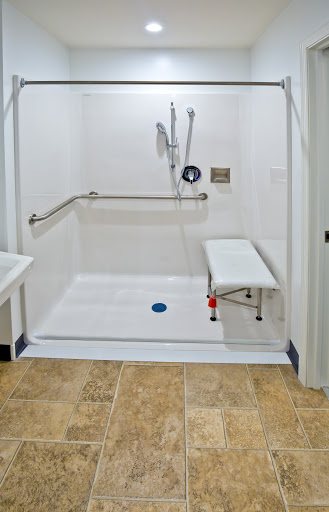
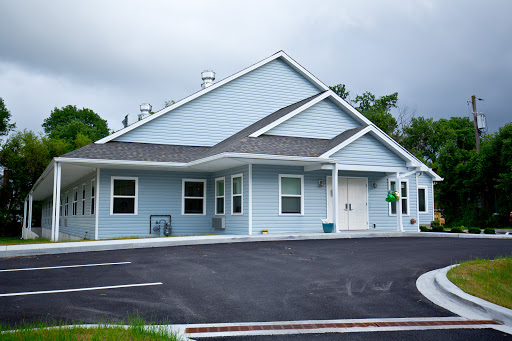
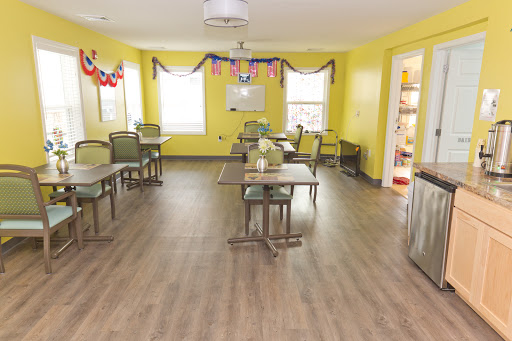
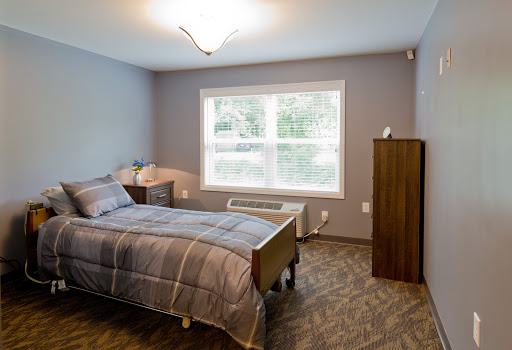
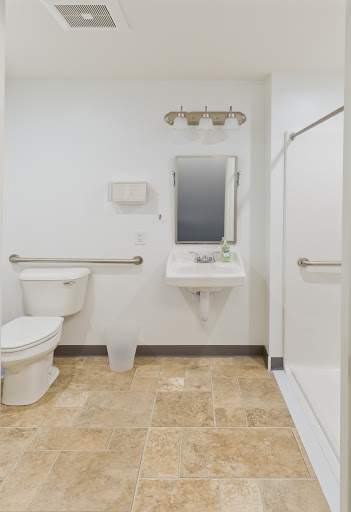
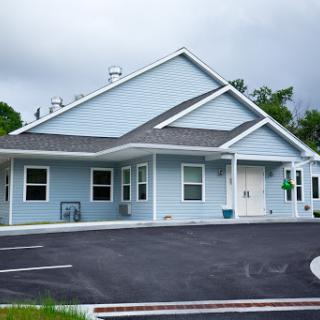
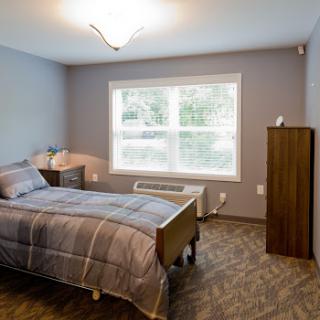
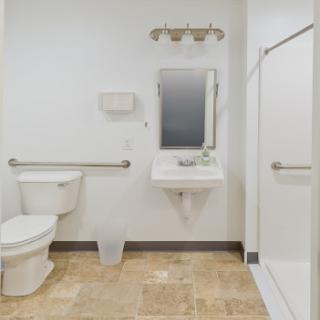
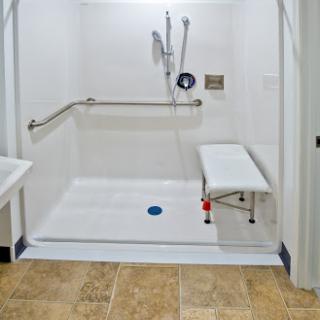
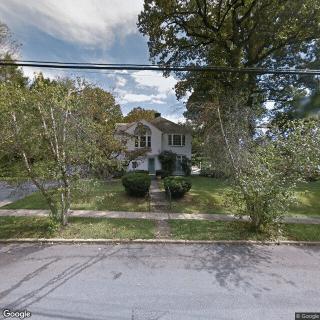
Sterling Care on seniors.fyi includes 11 photos including images showing interior, dining, bathroom, bedroom, shower, decor, kitchen, architecture, and more.
Nearby Communities
Tudor Heights
Baltimore, MD
4.7 from 18 reviews
Comprehensive memory care with 24/7 supervision, medication management, and active programming, plus transportation and nearby amenities.
Aventura at the Heights
Pikesville, MD
4.3 from 43 reviews
$3,995 to $4,995 / month
Friendly, attentive staff in a clean, home-like setting.
Sterling Hospitality
Baltimore, MD
4.7 from 21 reviews
Comprehensive care options (high acuity, incontinence, meds) with diverse dining and on-site activities.
Sterling Hospitaltiy
Baltimore, MD
Intimate 14-bed community with 24-hour supervision, comprehensive daily living assistance, and on-site dining and activities.
Taylor & Jackie - Fieldcrest
Baltimore, MD
Fully furnished apartments with housekeeping, care assistance, and transportation for medical appointments.
Our House
Baltimore, MD
4.5 from 10 reviews
Diabetic care and personalized support
Autumn Lake Healthcare At Pikesville
Pikesville, MD
4.6 from 116 reviews
Extensive on-site amenities and comprehensive care services.
Sunrise of Pikesville
Pikesville, MD
4.3 from 99 reviews
$2,280 to $4,225 / month
Friendly, attentive staff; cozy apartments; engaging activities and strong family communication.
Augsburg Village
Baltimore, MD
3.7 from 87 reviews
$1,344 to $3,600 / month
Well-laid-out community with abundant activities and friendly, attentive staff; beautiful surroundings.
The transition from assisted living to skilled nursing care is often prompted by complex medical needs that assisted living cannot meet, with key indicators including frequent health declines, increased falls, severe memory issues, and caregiver burnout. Families should recognize these signs early to discuss options with healthcare providers and prepare for the emotional and logistical aspects of moving to a facility that offers comprehensive medical support.
Vibrant Senior Living emphasizes active senior living communities that promote independence and engagement through diverse amenities and activities, fostering wellness and social interaction among older adults. These communities range from independent to assisted living, with a focus on personal growth, family involvement, financial planning, and leveraging technology to enhance residents' experiences.
Transitioning from assisted living to memory care is driven by an individual's cognitive decline and specific needs, requiring careful evaluation of indicators like increased confusion and wandering. The process involves consulting medical professionals, researching suitable communities, considering financial and legal aspects, and ensuring effective communication for personalized care plans.
Get PricingAsk A QuestionSchedule A TourContact Senior Advisor
By clicking submit, you agree to our Partner's Terms of Use. You
also consent to receive calls and texts, which may be autodialed, from our Partner. Your consent is not a condition to
using our Partner's service. Please visit our Partner's Privacy Policy for information about their privacy practices.





 16 resident community capacity
 Assisted Living
 Board and Care Home
 Activities on-site
 Cable or satellite TV
 Devotional services off-site
 Dining room
 Fully furnished
 Garden
 Housekeeping services
 Indoor common areas
 Move-in coordination
 Outdoor space
 Telephone
 Wi-Fi/high-speed internet available
 Baltimore-Washington International (13 miles away)
 24-hour supervision
 Ambulatory care
 Assistance with bathing
 Assistance with dressing
 Assistance with transfers
 Diabetes diet
 Diabetic care
 Meal preparation and service
 Medication management
 Special dietary restrictions
 Transportation arrangement (medical)
 Transportation to doctors appointments
 Comprehensive memory care with 24/7 supervision, medication management, and active programming, plus transportation and nearby amenities.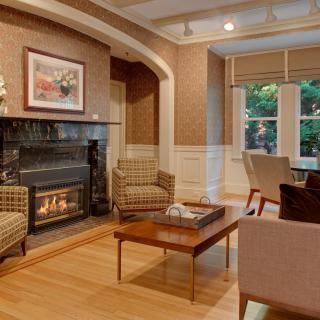



 8 Key Indicators That Suggest It May Be Time to Transition from Assisted Living to Skilled Nursing Care
 Vibrant Senior Living: A Comprehensive Guide for Active Older Adults
 When to Transition from Assisted Living to Memory Care: Key Indicators, Steps, and Finding the Right Community