
8248 Mimico South, Millersville, MD 21108
For more information about senior living options: (866) 208-4318
Overall Review of Our House Assisted Living Facility
Pros
 The reviewer cared deeply about their mother's memory and dignity.
- They hope for more compassionate communication in caregiving settings.
- The reviewer remains hopeful for understanding and better care in the future.
- They express love and respect for their mother even through hardship.
Cons
 The mother died there.
- The caregiver in charge of the mother was not pleasant.
- The family member was not allowed to speak to the mother for a month, and the reasons were unknown.
Review
Our House Assisted Living Facility in Millersville, MD is best suited for families that need a basic, budget-conscious option and are prepared to be highly hands-on in advocating for a loved one. The facility appears to attract families who can tolerate a front-end emphasis on care logistics over warmth in day-to-day interactions, and who are willing to press for transparency and regular communication. In practical terms, this house-style setting may be workable for residents who require modest assistance and for whom family oversight will be the primary safeguard against lapses in care.
The most compelling red flags come from the negative experiences recounted by relatives. A caregiver dynamic described as unpleasant, coupled with a troubling claim of being unable to speak with a resident for an extended period, signals serious gaps in communication, dignity, and responsiveness. The distress surrounding a loved one’s passing in this environment compounds concerns about staff accountability and timely updates during critical moments. Together, these elements point to a pattern where family involvement becomes not a luxury but a necessity to ensure basic respect and safety.
Given the limited pool of publicly available feedback, there are no clearly identified positive attributes to balance the criticisms. The rating decline to 1.5 from two reviews strongly suggests that any potential benefits are not reaching families in a way that would offset the perceived failures in staff demeanor, accessibility, and resident advocacy. In this context, the absence of concrete, venue-specific strengths means the negatives are not merely incremental risks but fundamental deal-breakers for families prioritizing compassionate care and proactive communication.
To move from concern to due diligence, prospective residents should seize every opportunity to assess communication practices firsthand. Before deciding, request a candid meeting with the administrator and ask pointed questions about visitability, status updates, and who serves as the resident’s primary point of contact. Observe how staff interact with residents during a tour, and specifically note whether responses to questions are timely, respectful, and informative. Verify staffing patterns, turnover rates, and whether there is a clear process for escalating concerns. A formal walkthrough of daily routines and medication management can reveal whether promised oversight aligns with real-world practice.
Alternatives warrant serious consideration for families who prioritize reliability and empathetic care. Other Millersville options with stronger publicized reputations for resident advocacy, transparent communication, and responsive family engagement should be compared side by side. Beyond subjective impressions, verify state licensing records, check for any complaints or sanctions, and speak with a state ombudsman or local elder care resource for corroborated insights. A robust due diligence process will include speaking with multiple families with recent experience at the facility to gauge consistency in care and communication.
Bottom line: the combination of scant corroborated positives and explicit concerns about staff behavior, family access, and the treatment of a dying loved one makes Our House Assisted Living Facility a high-risk choice for families who value dignity, openness, and proactive care. Alternatives with demonstrated commitments to transparent communication and compassionate bedside manner are strongly preferred. If this location is under consideration due to location or cost, proceed only after a rigorous, structured vetting process that prioritizes resident rights, clear escalation pathways, and demonstrable accountability.
 5 resident community capacity
 Assisted Living
 Cable or satellite TV
 Dining room
 Fully furnished
 Garden
 Housekeeping services
 Move-in coordination
 Outdoor space
 Telephone
 Wi-Fi/high-speed internet available
 Baltimore-Washington International (5 miles away)
 24-hour supervision
 Activities of daily living assistance
 Assistance with bathing
 Assistance with dressing
 Assistance with transfers
 Diabetes diet
 Meal preparation and service
 Medication management
 Special dietary restrictions
 Transportation arrangement (medical)
 Transportation to doctors appointments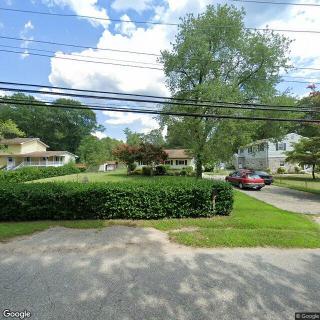





 A Detailed Exploration of Assisted Living Medicaid Waivers Across the United States
 Comprehensive Residential Support and Assisted Living Solutions for Individuals with Disabilities
 Comprehensive Supportive Living Arrangements for Adults with Disabilities