
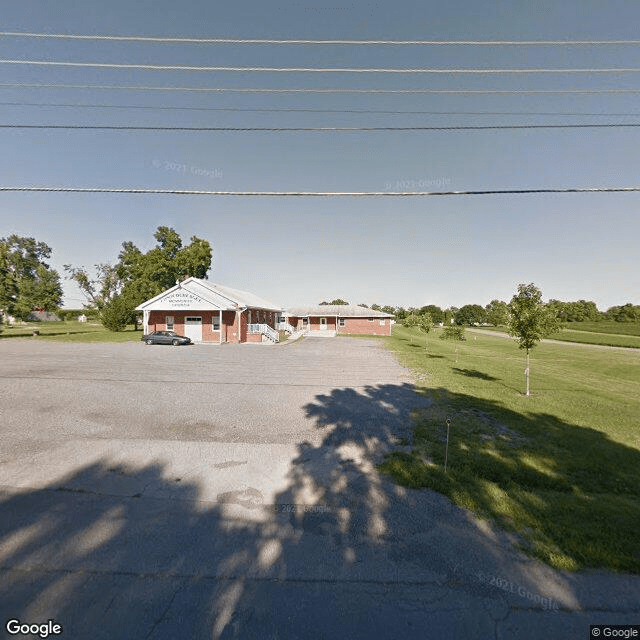
12349 Huyett Lane, Hagerstown, MD 21740
For more information about senior living options: (866) 208-4318
Overall Review of Mennonite Fellowship Home
Pros
 They highly recommend the care of the elderly.
- It is a nice place with nice people.
- The caregivers' passion shows.
Review
Mennonite Fellowship Home in Hagerstown, MD is best suited for seniors who value a warm, home-like setting where caregiving feels personal and attentive. This community tends to attract residents who don’t require high-acuity medical interventions around the clock but do need consistent, compassionate support with daily living tasks, gentle supervision, and dignity-preserving care. Families seeking a tightly knit environment where staff know residents by name and take pride in their work will find a strong fit here. The overall tone from current perspectives is one of comfort, respect, and steady daily routines, rather than clinical intensity or high-volume programming.
That emphasis, however, comes with clear trade-offs. Families whose loved ones require robust medical oversight, frequent skilled nursing interventions, or specialized memory-care services may want to consider alternatives. Larger facilities often offer more on-site medical resources, more formal rehabilitation options, and a broader slate of clinical programming. For those focusing on cost transparency, attractive amenities, or expansive activity calendars, smaller homes can sometimes fall short. In short, this community shines for those prioritizing personal connection and a calm, resident-centered atmosphere over hospital-like cadence or niche medical offerings.
The strongest positives center on care quality and the human element. Reviewers consistently point to a sincere care ethic: caregivers whose passion shows up in daily interactions, a facility that feels welcoming, and staff members who treat elders with genuine respect. This combination translates into an accessible sense of security for families, because the care team appears engaged, patient, and invested in residents’ well-being. The “nice place, nice people” sentiment reinforces the impression that the environment supports emotional comfort and ease of daily life, not just basic oversight. In practical terms, that means fewer frayed moments for worried families and more predictable, dignified days for residents.
Where the pros meet the cons, the calculus becomes clearer. The home-like setting and highly engaged staff offset the absence of a large medical staff by delivering consistent, hands-on attention that can reduce anxiety and boost quality of life. The intimate scale often allows for better observation of subtle changes in health or mood, and families frequently report that residents seem happier and more settled because they feel known and valued. Yet this offset has limits. For residents needing complex wound care, IV therapies, or intensive rehab, or for those who require a broader menu of therapeutic programs, the smaller operation may necessitate external coordination or referral. The result is a carefully balanced trade-off: strong day-to-day humanity versus fewer in-house medical levers.
For families making a decision, the path forward is practical and focused. Prioritize a visit that probes caregiver-to-resident ratios, shifts in staffing, and how care plans are crafted and updated. Ask about meal quality, activity availability, transportation options, and the pace of daily life, especially for someone who craves structure without feeling overwhelmed. Clarify costs upfront, including what is included in monthly fees and what might incur extra charges. And, crucially, request references or opportunities to chat with current residents and their families about how well the care meets evolving needs over time. Those specifics will illuminate whether the positives align with anticipated future needs.
Ultimately, Mennonite Fellowship Home stands out for families prioritizing warmth, personal attention, and a respectful, low-stress environment. The consistent message from positives is clear: compassionate care, a pleasant setting, and caregivers who truly care make a meaningful difference in everyday life. Those priorities should be weighed against potential gaps in clinical services and the scale of programming when memory-specific or high-medical-needs support is essential. If the goal is to protect dignity and cultivate a peaceful, attached-feel community for an aging loved one, this community earns serious consideration. If the health profile requires more robust medical infrastructure, exploring a few alternative options alongside tours will prevent unnecessary compromises.
 20 resident community capacity
 Assisted Living
 Board and Care Home
 Activities on-site
 Beauty salon
 Cable or satellite TV
 Devotional services off-site
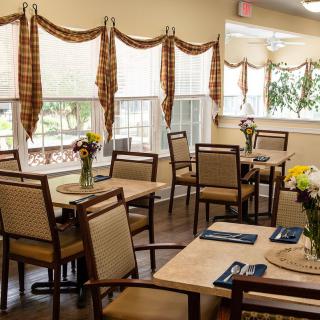
 Dining room
 Fully furnished
 Garden
 Housekeeping services
 Indoor common areas
 Kitchenette
 Move-in coordination
 Outdoor space
 Telephone
 Wi-Fi/high-speed internet available
 24-hour call system
 Ambulatory care
 Assistance with bathing
 Assistance with dressing
 Assistance with transfers
 Diabetes diet
 Diabetic care
 Meal preparation and service
 Medication management
 Mental wellness program
 Special dietary restrictions
 Transportation arrangement (medical)
 Transportation to doctors appointments






 Understanding the Distinctions: Assisted Living and Memory Care Explained
 Guiding Elderly Parents Who Refuse Assisted Living: 6 Practical Steps
 Your Comprehensive Guide to Luxury Assisted Living: Elevated Facilities, Amenities, and Costs