
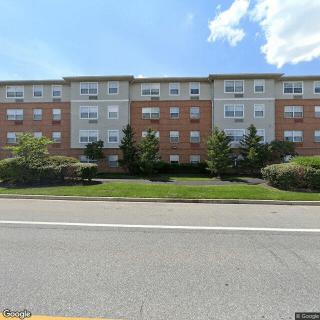
362 Phrine Road West, Glen Burnie, MD 21061
For more information about senior living options: (866) 208-4318
Overall Review of A & A Residential
Pros
 The facility is clean, private, professional, and homey.
- The small number of residents enables one-on-one care.
- The food is great and residents' needs and preferences are catered to.
- The dad's health and strength have improved since moving in.
- The on-site physician and other therapies are available as needed, with prescription delivery.
- The management is very strict about safety, including COVID regulations, medication management, and fall risks.
- The place is small but provides all the professional services.
- The facility offers hospital beds, hoyer lifts, and stair lifts to support residents.
Review
A & A Residential in Glen Burnie, Maryland is best suited for seniors who want exceptionally personalized, one-on-one care in a private, home-like setting. With a maximum of five residents, the community delivers intimate attention, predictable routines, and a calm, undemanding pace that suits those who benefit from highly supervised living without the bustle of a larger facility. It suits individuals who prize cleanliness, privacy, and professional oversight, plus meals and daily living tailored to personal preferences. The environment supports rehabilitation and steady wellness gains by keeping care tightly coordinated, with a focus on dignity and individualized attention rather than volume or show.
Those considering alternatives should note that this setting is less about social spectacle and broad activity programming and more about individualized support. Families seeking a larger community with extensive social calendars, diverse peer activities, or specialized memory-care programming may find the options in bigger campuses more compelling. Similarly, residents who require a wider continuum of services, more staff coverage, or a broader array of on-site specialists may feel stretched by the scale of a five-resident home. For budget-conscious families, the smaller footprint can be an advantage, but it may also limit some pricing flexibility and options that larger facilities sometimes offer.
The strongest pros center on intimate care and professional capability. The tiny resident census makes one-on-one attention feasible at every shift, so care plans can be fine-tuned to the individual’s needs and preferences. The setting is clean, private, and homey, with a kitchen that can accommodate dietary quirks and health considerations. On-site medical oversight and therapies are available as needed, and the operation includes practical supports such as medication management, RX delivery, and access to hospital beds, hoyer lifts, and stair lifts. Family members have observed meaningful health improvements in their loved ones, which underscores how rapid assessment and tailored interventions pay dividends when staff can stay closely aligned with a resident’s daily realities.
If a potential downside is contemplated, it centers on scale. A five-resident home cannot duplicate the breadth of programming or the peer network found in larger communities, and some families may miss the sense of a bustling campus. However, these constraints are largely offset by the up-close safety framework and meticulous risk management, an advantage for anyone prioritizing fall prevention and reliable medication routines. The on-site availability of physicians and therapy services minimizes the need for frequent hospital visits, reducing disruption to routines and strengthening continuity of care. In short, the advantages of individualized attention, controlled environment, and rapid responsiveness tend to outweigh the trade-offs of smaller social ecosystems.
For families weighing options, the practical takeaway is clear: this community is a strong match for seniors who want highly personalized care, consistent medical oversight, and a cozy, predictable daily rhythm. It works best when independence is important but requires close supervision and ready access to therapeutic services. The tiny footprint translates into security and continuity, with direct impact on day-to-day well-being and peace of mind for relatives. The key caveat is that those needing a broad spectrum of activities or a larger, more bustling social scene should compare alternatives carefully.
Decision-makers should ask themselves a few pointed questions as they evaluate this option. Is the priority a private, home-like setting with maximal individualized attention, or a desire for a larger community with more peers and organized activities? How important is on-site medical oversight, therapy availability, and immediate safety measures like fall-risk management in day-to-day routines? What level of equipment and mobility assistance is needed, and can the residence sustain growing care requirements without moving to a larger campus? If the answer favors intimate care, strong clinical coordination, and a calm, private environment, A & A Residential stands out as a compelling, well-supported choice.
 5 resident community capacity
 Assisted Living
 Cable or satellite TV
 Dining room
 Fully furnished
 Garden
 Housekeeping services
 Move-in coordination
 Outdoor space
 Telephone
 Wi-Fi/high-speed internet available
 Baltimore-Washington International (3 miles away)
 24-hour supervision
 Activities of daily living assistance
 Assistance with bathing
 Assistance with dressing
 Assistance with transfers
 Diabetes diet
 Meal preparation and service
 Medication management
 Special dietary restrictions
 Transportation arrangement (medical)
 Transportation to doctors appointments





 Beyond the Bingo Hall: 50+ Enriching Activities for Seniors in Assisted Living
 Understanding the Distinctions: Assisted Living and Memory Care Explained
 Guiding Elderly Parents Who Refuse Assisted Living: 6 Practical Steps