

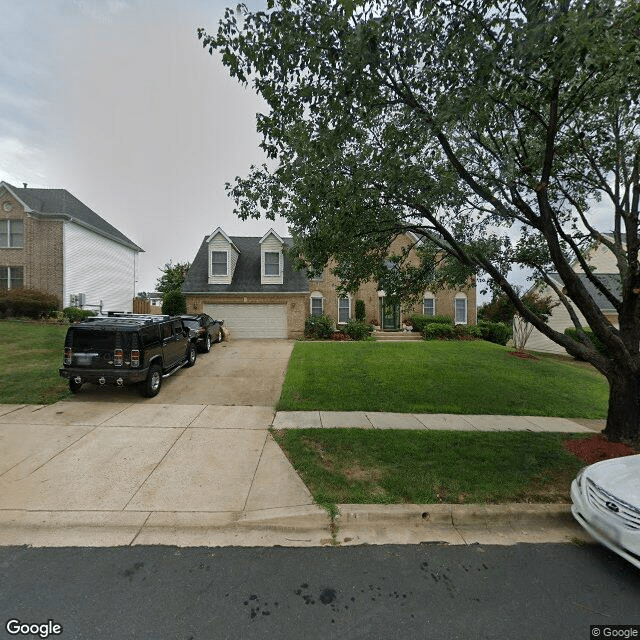
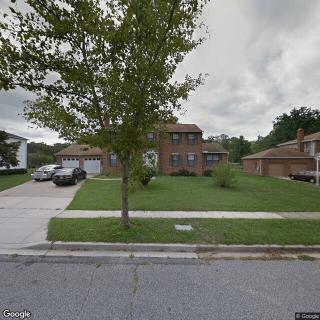
1511 Aragona blvd, Fort Washington, MD 20744
To contact a resident: (301) 655-3779
For more information about senior living options: (866) 208-4318
Caring Outreach for Seniors Costs & Pricing
Caring Outreach for Seniors offers competitive pricing for its services compared to the broader market in Prince George's County and the state of Maryland. For semi-private rooms, the monthly cost is set at $2,200, significantly lower than the county average of $3,058 and the state average of $3,545. Similarly, private room accommodations are priced at $2,900, which contrasts sharply with the county's average of $3,792 and Maryland's overall average of $4,112. This pricing structure positions Caring Outreach for Seniors as a financially accessible option for families seeking quality care for their loved ones while maintaining a supportive environment that prioritizes well-being and comfort.
| Floor plans | Caring Outreach for Seniors | Prince George's County | Maryland |
|---|---|---|---|
| Semi-Private | $2,200 | $3,058 | $3,545 |
| Private | $2,900 | $3,792 | $4,112 |
Assisted Living communities with a similar price nearby
-
from -$200 / mo
Eby Health Services II
$2,000 to $3,000 / month1.0 miles away -
from +$300 / mo
Amazing Grace Senior Care
$2,500 to $3,000 / month14.4 miles away -
from +$400 / mo
My Parent's Place
$2,600 to $3,000 / month10.7 miles away -
from +$270 / mo
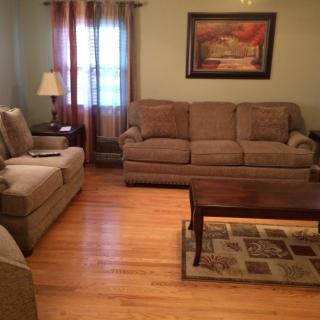
Ovalstone Comfort Home
$2,470 to $3,300 / month22.3 miles away -
from -$100 / mo
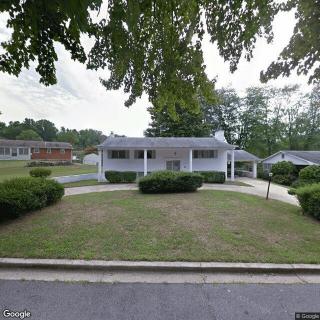
Mamie's Loving Care III
$2,100 to $3,000 / month5.1 miles away
Overall Review of Caring Outreach for Seniors
Pros
 The care and service are outstanding.
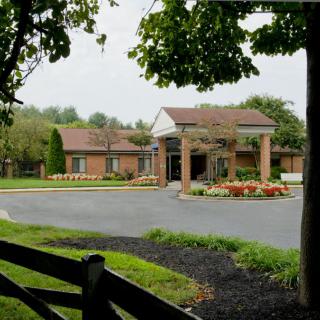
- The home is beautiful, and families feel comfortable leaving their loved ones there.
- The family-owned facility provides wonderful care for relatives for over a year.
- The owners go out of their way to meet residents' grooming needs and pay for them out of pocket.
- They offer lower fees than most assisted living homes in the state.
- They work with families to tailor healthier diets for residents.
Cons
 The facility is not very clean.
- The shower is not working, forcing the resident to use the downstairs powder-room shower.
- They do not answer the phones or keep families informed about the resident’s health.
- The bathroom is too small and dangerous for senior citizens.
- Residents are kept in bed all day and often smell like urine.
- The caregivers are described as unprofessional and primarily care about the money.
- The process for over-the-counter medications is labor-intensive, requiring doctor approval and a signed list.
Review
This community is best suited for families prioritizing proximity, a warm, family-owned atmosphere, and more affordable, personalized care. It works well for seniors who are comfortable in a smaller, home-like setting where staff develop close rapport and where families are able to participate in care planning and daily routines. The strongest draw is the personal touch: flexible pricing, proactive attention from owners, and extras such as grooming services arranged or subsidized by the family that runs the place. For residents whose health needs are not extremely complex, and whose families value a nearby home environment over institutional polish, Caring Outreach for Seniors can feel like a practical, emotionally supportive match.
Alternatives deserve consideration for anyone prioritizing higher standardized cleanliness, more robust professional oversight, or predictable, scalable operations. Several reviews point to operational gaps that a larger, more resourced facility might handle more reliably: inconsistent communication with families, limited responsiveness once a resident is admitted, and facilities that are not always kept up to expected hygiene standards. For seniors who require meticulous medication management, routine doctor-approved protocols for every over-the-counter item, and stricter adherence to infection-control and safety practices, exploring other options may prevent ongoing friction and anxiety for families.
The key pros at Caring Outreach for Seniors, convenient location, affectionate staff rapport, and a low-to-middle price point, provide meaningful value that can offset notable drawbacks for the right resident. A family-owned model often translates into greater flexibility on care planning and bill negotiation, and several accounts applaud the willingness to tailor services to individual needs, including heart-healthy dietary adjustments. The human elements matter: caregivers who take time with residents, opportunities to address grooming and personal care through in-house arrangements, and a home-like environment can deliver steadier, more individualized attention than some larger facilities. When these advantages align with a resident’s preferences and a family’s day-to-day realities, the overall experience can feel reassuring and sustainable.
Yet the downsides are real and require disciplined due diligence. Cleanliness and maintenance issues have been cited, including a nonfunctioning shower and a bathroom that feels cramped or unsafe for senior use, forcing residents to navigate unfamiliar routes for basic hygiene. A few reviews describe limited phone contact and less-than-ideal responsiveness to health updates, which can undermine trust during delicate health moments. The most concerning notes touch on perceived professionalism and consistency, claims that staff may appear more focused on financial aspects than on resident well-being, and that some days see residents kept in bed longer than appropriate. Another concrete friction point is a governance-style requirement to obtain physician authorization for every over-the-counter medication, creating a workflow that can feel burdensome to families and delay timely symptom relief.
To make a confident decision, prospective families should verify several operational realities during a visit. Confirm whether a licensed nurse or clinician is on site, and clarify the staff-to-resident ratio across day and evening shifts. Audit the medication management process, including how over-the-counter items are approved, logged, and communicated to families, and request a copy of the care plan with clear escalation protocols for health changes. Inspect cleanliness and safety features firsthand, bathroom design, accessibility, and the effectiveness of lifts or chairs for stairs, and ask for a maintenance schedule and recent remediation commitments. Seek candid references from current families beyond marketing materials, and schedule a trial period if possible to observe daily routines, meals, and activity levels in practice.
In the end, Caring Outreach for Seniors offers a pragmatic option for a subset of families: those who value a budget-friendly, intimate, family-operated setting with genuine warmth and flexibility, and who can tolerate some service gaps and maintenance challenges in exchange for proximity and personalized attention. For seniors with significant medical needs, stringent hygiene expectations, or a preference for highly polished, highly communicative operations, alternative communities, especially larger, more professionally staffed facilities, will likely deliver greater consistency and peace of mind. The right choice hinges on aligning the resident’s health status, family capacity to manage administrative details, and the degree to which a home-like environment trumps institutional polish.
 5 resident community capacity
 Assisted Living
 Board and Care Home
 Activities off-site
 Bath tubs
 Cable or satellite TV
 Dining room
 Fully furnished
 Garden
 Housekeeping services
 Indoor common areas
 Move-in coordination
 Outdoor common areas
 Private
 Telephone
 Wi-Fi/high-speed internet available
 Ronald Reagan Washington National (9 miles away)
 24-hour supervision
 Ambulatory care
 Assistance with bathing
 Assistance with dressing
 Assistance with transfers
 Diabetes diet
 Diabetic care
 High acuity care
 Incontinence care
 Meal preparation and service
 Medication management
 Special dietary restrictions
 Transportation arrangement (medical)
 Transportation to doctors appointments
 Karaoke
 Stretching classes
 Wii bowling


 Securing Financial Support for Assisted Living: A Comprehensive Overview
 Social Security Benefits and Assisted Living: Navigating Options Across the U.S.
 An Extensive Exploration of the VA Aid and Attendance Benefit