
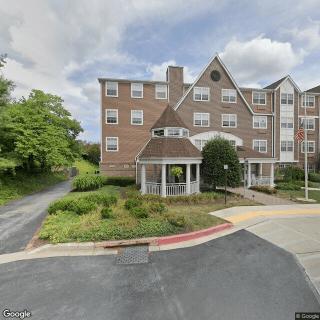
8402 Ivy Drive, Ellicott City, MD 21043
For more information about senior living options: (866) 208-4318
Overall Review of Sincere Hands Home Care
Pros
 Daneeka goes above and beyond to ensure clients have great caregivers.
- She addresses problems immediately and is very sweet and easy to work with.
- Gifted Hands Senior Care provides caregivers who are attentive, skilled, and well matched to each client.
- The team is caring and extremely attentive to each client’s needs.
- Families feel happy and comfortable with the caregivers who assist with companionship, medication administration, meal preparation, and wound care.
- Daily end-of-shift reports are appreciated by families.
- Daneeka proactively contacts families to address issues and ensure supplies are available.
- Gifted Hands Senior Care is highly recommended for trusted, attentive, and compassionate care.
- The staff delivers excellent care and is extremely helpful.
- The staff are angels—kind, patient, loving, and compassionate—providing exceptional care.
Review
This community is best suited for families seeking deeply personalized, at-home support for a loved one who can no longer manage daily tasks independently but does not want or need a hospital or facility setting. The model shines when the goal is to stay in familiar surroundings while receiving reliable companionship, daily living assistance, and targeted care, especially for someone dealing with dementia, post-hospital recovery, or the need for hospice-level support at home. The team prioritizes fit and continuity, with the owner personally shaping the caregiver roster to align personalities and skills with each client. In short, this option works best for households prioritizing trust, responsive problem-solving, and hands-on coordination from a dedicated provider.
Families that may want to consider alternatives include those whose priority is strictly regulated medical oversight from licensed nurses around the clock, or those seeking a larger, more standardized agency with formalized nursing protocols and shorter linhas of escalation. If budgeting is the dominant constraint and a clearer, more transparent price structure is essential, another provider may offer simpler, more predictable terms. Likewise, if a transition to a fully facility-based environment or a dedicated memory-care or acute-rehab setting is desired, in-home teams of this scale may not align with those needs. The choice should hinge on the balance between intimate home-based care and the level of medical infrastructure required.
The strongest pros, an owner-led, highly attentive approach, and a carefully assembled caregiving team, directly offset the main drawbacks one might encounter in home care. Daneeka’s hands-on leadership shows up in assessments at discharge points and hospital/Nursing facility transitions, ensuring the right caregivers are selected for each client’s needs. The team-based model promotes continuity; families report that caregivers feel like extended family, which reduces anxiety about who will arrive each day. Regular updates at the end of each shift and proactive communication when issues arise create a trustworthy, low-ambiguity experience that mitigates the typical concern of inconsistent staffing.
Another key advantage is the capacity to address a broad range of in-home tasks with genuine competence: medication administration, meal preparation, walking assistance, showering, light housekeeping, and meaningful companionship. The reviews repeatedly highlight compassionate care, personal attentiveness, and the ability to support end-of-life preferences in familiar surroundings. For families weighing the decision, these strengths translate into tangible outcomes: loved ones remain more engaged and comfortable at home, with caregivers who know preferences, routines, and medical nuances, rather than facing abrupt transitions to facilities or less familiar care teams.
Despite the overwhelmingly positive portrait, some practical cautions emerge. The strongest comfort comes from a devoted, small-team model and family-centered communication, but that can translate into higher cost or variability if the roster isn’t kept tight. Prospective clients should confirm how caregiver coverage is scheduled during holidays and weekends, understand the back-up coverage plan, and verify how flexible scheduling works when needs escalate. In-home care of this scope also hinges on ongoing trust and clear expectations about medical tasks; ensuring that the team’s scope matches the patient’s clinical needs is essential to avoid gaps.
For families ready to pursue this path, a deliberate, stepwise approach is advisable. Begin with a comprehensive in-home assessment to map daily routines, medical responsibilities, and personal preferences. Request a transparent caregiver-matching process and ask to meet the prospective team members who would be assigned to the loved one. Seek clarity on daily or weekly reporting, emergency contacts, supply management, and how changes in condition are escalated. Finally, collect and compare references, confirm the owner’s ongoing involvement, and outline a pilot period with defined benchmarks. When these elements align, the home-care model described here becomes not just a preferred option, but a practical, empowering choice for sustaining quality of life at home.
 5 resident community capacity
 Assisted Living
 Cable or satellite TV
 Dining room
 Fully furnished
 Garden
 Housekeeping services
 Move-in coordination
 Outdoor space
 Telephone
 Wi-Fi/high-speed internet available
 Baltimore-Washington International (11 miles away)
 24-hour supervision
 Activities of daily living assistance
 Assistance with bathing
 Assistance with dressing
 Assistance with transfers
 Diabetes diet
 Meal preparation and service
 Medication management
 Special dietary restrictions
 Transportation arrangement (medical)
 Transportation to doctors appointments




 Assisted Living and Memory Care: Understanding Their Core Differences
 Beyond the Bingo Hall: 50+ Enriching Activities for Seniors in Assisted Living
 Understanding the Distinctions: Assisted Living and Memory Care Explained