
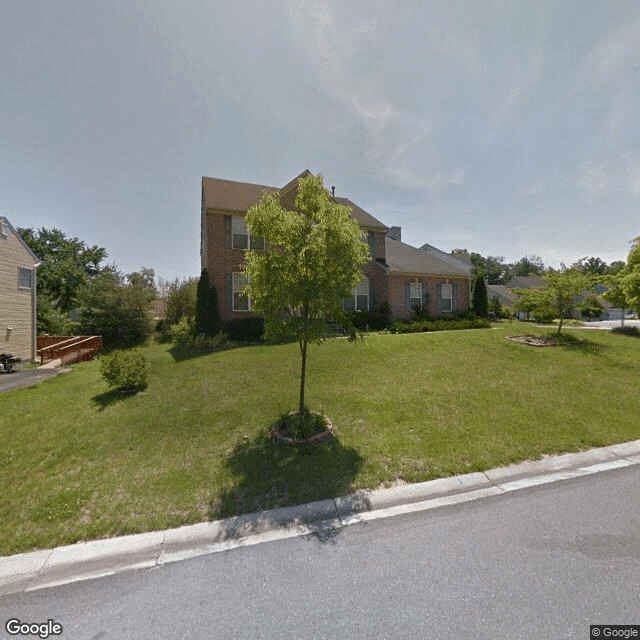
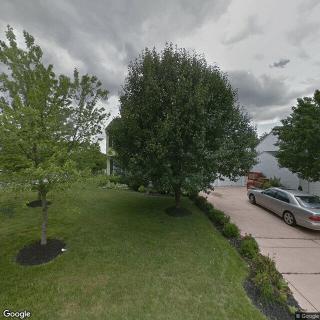
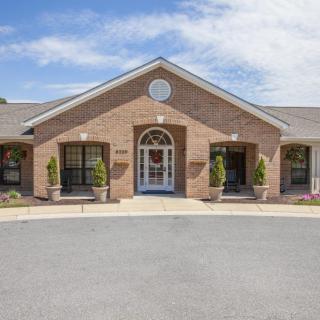
6905 Scarlet Oak Drive, Elkridge, MD 21075
For more information about senior living options: (866) 208-4318
Golden Oasis Senior Living Costs & Pricing
Golden Oasis Senior Living offers competitive pricing for its residents, with monthly costs that reflect a thoughtful balance of quality care and affordability. For a semi-private room, the cost is set at $3,500, which is notably lower than the Howard County average of $3,865 and slightly more competitive than the Maryland state average of $3,545. In terms of privacy, a private room at Golden Oasis is priced at $4,000 - again undercutting the Howard County rate of $4,003 while remaining relatively close to the Maryland average of $4,112. These pricing structures suggest that Golden Oasis Senior Living provides an appealing option for seniors seeking quality accommodations without straining their financial resources.
| Floor plans | Golden Oasis Senior Living | Howard County | Maryland |
|---|---|---|---|
| Semi-Private | $3,500 | $3,865 | $3,545 |
| Private | $4,000 | $4,003 | $4,112 |
Assisted Living communities with a similar price nearby
-
About the same
Best Home for Mom and Dad
$3,500 to $4,500 / month17.7 miles away -
from +$500 / mo
Montgomery Eldercare I
$4,000 to $5,900 / month14.2 miles away -
from -$300 / mo

Mumsey's Residential Care
$3,200 to $5,400 / month12.5 miles away -
from -$525 / mo
Gneale Home Care
$2,975 / month7.9 miles away -
from +$300 / mo
Montgomery Eldercare II
$3,800 to $5,000 / month14.3 miles away
Overall Review of Golden Oasis Senior Living
Pros
 They are all awesome.
- They treat him like family.
- He feels comfortable being there.
- He sits back with his feet up, like he owns the place.
- The other ladies have spoiled him.
- He is happy and safe.
Cons
 None found.
Review
Golden Oasis Senior Living in Elkridge is best suited for families seeking a warm, home-like environment where staff deliver consistently affectionate, attentive care. This community stands out for seniors who value being treated as family members, not as just another resident, and who want to see caregivers foster a sense of belonging in daily life. When a visit ends with a resident comfortable enough to sit with feet up and exuding quiet ownership of the space, it signals a living environment that prioritizes dignity, calm, and personal connection over clinical rigidity.
Those who need high-acuity medical oversight, memory-care specialization, or rigorous daily programming may want alternatives. Facilities with more formal medical staffing, stricter schedules, or more structured cognitive-stimulation curricula may better fit residents facing complex health needs or advanced dementia. Cost sensitivity is another factor; no review here breaks down pricing, so families should verify whether the level of care aligns with anticipated expenses and whether services are included or billed separately. Proximity to family and flexibility around visitation are worth confirming, too, since a home-like vibe depends on staff availability and consistent presence.
On the positive side, the standout pro is unmistakable: staff excellence and a family-like treatment culture. The narrative that caregivers treat the uncle as if he were their own relative translates into tangible benefits, trust, security, and comfort that reduce anxiety for both resident and family. The visible result, a resident who appears happy, safe, and at ease, provides a kind of nonverbal assurance that care is steady and considerate. These human-centered strengths can offset the lack of explicit details about programming, meals, or clinical services, because emotional safety often determines day-to-day quality of life in assisted living.
That emotional safety cascades into practical advantages for families weighing the decision. When the environment feels like a trusted home, caregivers experience less stress about neglect or abrupt change, and transitions feel smoother for the older adult. The message from the review, that staff have spoiled him and that he is outwardly content, signals reliable supervision during the day, opportunities for social interaction, and predictable routines. In short, the most valuable asset here is the relational capital: consistent warmth, respectful boundaries, and the quiet confidence that a loved one is not just accommodated but cherished.
Prospective residents should still verify several critical factors during tours. Ask about staff-to-resident ratios across shifts, and how caregivers handle personal care, mobility, and safety checks. Inquire about meal service quality, dining options, and opportunities for family involvement. Seek clarity on activity calendars, transportation for appointments, and adherence to medical care plans, especially for chronic conditions. Request details on memory-care capabilities if needed, and review entrance fees, monthly rates, and what happens if care needs escalate. Finally, test the climate of communication, with staff, and observe how concerns are addressed during the visit.
Overall, Golden Oasis presents a compelling choice for families prioritizing a warm, respectful, and home-centered living experience where a resident can feel truly at ease and protected. The strongest evidence from the review is the staff's affection and the sense of family that surrounds the uncle, which translates into real emotional and safety benefits. Potential buyers should only pursue this facility if they are comfortable with a model that emphasizes personal connection over clinical intensity; for those needing advanced medical oversight, dementia-specific programming, or cost structures that require careful comparison, alternatives deserve consideration. A thoughtful tour and side-by-side comparisons will reveal whether Golden Oasis aligns with the unique needs and budgets of the loved one.
 5 resident community capacity
 Assisted Living
 Board and Care Home
 Beautician on-site
 Cable or satellite TV
 Dining room
 Fully furnished
 Garden
 Housekeeping services
 Move-in coordination
 Outdoor space
 Private
 Respite or short term stays offered
 Telephone
 Wi-Fi/high-speed internet available
 Baltimore-Washington International (5 miles away)
 24-hour supervision
 Activities of daily living assistance
 Ambulatory care
 Assistance with bathing
 Assistance with dressing
 Assistance with transfers
 Diabetes diet
 Diabetic care
 High acuity care
 Incontinence care
 Meal preparation and service
 Medication management
 Special dietary restrictions
 Transportation arrangement (medical)
 Transportation to doctors appointments
 Assisted Living Support for Veterans: A Complete and Detailed Overview
 Exploring the Contrasts Between Assisted Living and Skilled Nursing
 8 Key Indicators That Suggest It May Be Time to Transition from Assisted Living to Skilled Nursing Care