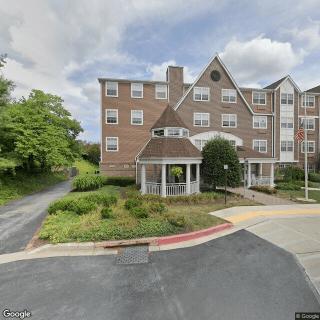
Cooper's Senior Assisted Group Home in Columbia, MD

Information last verified:

5615 Tricross Drive, Columbia, MD 21045

For more information about senior living options: (844) 490-3973

4.9 from 72 reviews
5 stars
67
4 stars
4
3 stars
0
2 stars
1
1 stars
0

Seniors.FYI Elite Community Awards

Top 5% Senior Living Community in 2018Top 5% Senior Living Community in 2019Top 5% Senior Living Community in 2024Top 5% Senior Living Community in 2025

Add this award to your website

Overall Review of Cooper's Senior Assisted Group Home

Pros

  • pro Charter Senior Living is described as an amazing memory care community with compassionate, patient, and practical staff.
  • pro The Columbia location is clean, warm, and thoughtfully designed to be safe, comfortable, and welcoming.
  • pro The activities program is engaging and meaningful, helping residents stay active, connected, and valued.
  • pro Will Clark and Judi Beyer are recognized as open, knowledgeable leaders who are deeply involved in residents’ well-being.
  • pro Families report peace of mind and high satisfaction with the care, professionalism, and dedication of the staff.
  • pro Residents are well cared for, with checks and balances among nursing and medical staff.
  • pro The staff consistently personalizes care, building trusting relationships and creating a loving environment.
  • pro Families would strongly recommend Charter Senior Living to others seeking memory care for a loved one.

Cons

  • pro The reviewer felt Charter staff rarely checked on their mother during the dying process, and that something as simple as offering a chair would have made a meaningful difference.
  • pro They felt pressured and guilty by staff remarks like “Don’t give up on her” and being urged to take her to the hospital, which they found dismissive of their loved one’s wishes.
  • pro The morning after their mother passed, an automated survey arrived before any outreach, which struck them as insensitive.
  • pro They observed the room’s presentation during the sensitively time period as not being swept, with glass fragments in the hallway, suggesting a lack of attention to the environment.
  • pro They felt their presence was treated as an inconvenience by some staff, who repeatedly moved the hospital bed back against the wall.
  • pro A front desk staff member was described as having a bad attitude on the phone and not showing respect.
  • pro There were frustrations with the nursing team, even though they acknowledged the team later stepped up during the final month.

Review

This memory-care oriented community in Columbia, MD is best suited for families faces with a dementia or Alzheimer’s care decision who want a highly engaged, staff-driven environment where leadership is consistently involved and care feels personalized. The setting is designed around memory-impaired residents: a Montessori-like flow, multiple small neighborhoods, and a calendar packed with meaningful activities that aim to keep residents connected, verbal, and engaged throughout the day. Families will find that the care ethos centers on dignity, routine, and visible warmth, with caregivers who know residents by name and tailor interactions to individual histories. When longevity and continuity of care matter, four neighborhoods with the same caregivers each day, this community stands apart as a stable, relationship-based option rather than a generic, one-size-fits-all memory care environment.

Who should pause and consider alternatives? Those whose loved one does not require dementia-specific programming or who would benefit from a more traditional, less intensive assisted-living model may want to look elsewhere. Families prioritizing aggressive medical oversight or more hospital-style clinical protocols may find other communities that emphasize on-site physicians or in-house nursing services more heavily. Budget is a practical factor as well: the top-tier, highly personalized dementia care offered here comes with a cost structure that may be prohibitive for some families. Finally, if the priority is short-term respite or a transition-friendly setting with minimal family involvement, other options may be better aligned with those needs.

The strongest pros, a well-established dementia-care focus, deeply involved leadership, and a robust activity program, often offset the main drawbacks noted in reviews. Leadership under Will Clark and Judi Beyer, along with a core team that includes dedicated nurses and long-tenured caregivers, creates a culture where staff know residents well, communicate with families regularly, and coordinate care across nursing and memory-care disciplines. Families repeatedly highlight the sense of partnership and peace of mind that comes from staff who share information through direct conversations and accessible updates. The design itself, distinct neighborhoods, safe layouts, and an environment built to keep dementia residents engaged, helps reduce confusion and supports routines that promote safety and independence for as long as possible. The programming isn’t token; it spans live music, crafts, socials, and everyday opportunities to participate, which many families credit with sustaining mood, appetite, and a sense of normalcy.

Yet, no care setting is flawless, and several recurring concerns merit consideration. A few reviews describe a rough transition period when a loved one first moves in, noting that initial adjustment can be emotionally charged and require proactive family involvement. There are also reports of moments where empathy could have been more evident, particularly around end-of-life care, where families felt unheard or overlooked in difficult moments. Front-desk interactions, at least in one instance, showed room for improvement in courtesy and warmth. While these instances appear isolated against a backdrop of overwhelmingly positive experiences, they remind prospective entrants to verify the tone and responsiveness of the team during tours and initial weeks, and to establish clear expectations for compassionate communication during sensitive times.

The practical takeaway for families is clear: visit with a focus on real-world interactions, not just polished brochures. Observe how caregivers greet residents, how long it takes for staff to respond when a resident signals a need, and whether the environment feels calm and organized after the bustle of a shift change. Schedule conversations with the Executive Director and the Memory Care Director to gauge their approach to medical coordination, transition planning, and family education. Ask to see the resident calendar and a sample of daily meal plans to assess how nutrition, preference, and dietary restrictions are managed. If possible, speak with families in similar situations to gauge consistency of caregiver assignments, the flow of communication, and whether photos or updates via the resident-focused app are reliably provided.

In the end, this Columbia community is a compelling choice for families seeking dementia-focused care where leadership models best-practice memory-care and family engagement. The pros, exceptional staff dedication, a purposeful design for memory care, consistent caregiver teams, and a rich, participatory activity calendar, generally outweigh the cons, which tend to be isolated incidents rather than systemic failings. For families weighing alternatives, consider those with greater medical-on-call capabilities, lower cost structures, or a less-intensive cognitive-stimulation regime if the loved one’s needs are broader than memory impairment alone. For the right family, this community offers not just care, but a thoughtful approach to living well with dementia, with a level of attention that makes the most challenging transition feel manageable and guided. Planning a tour, asking pointed questions, and meeting the people who will become the daily faces in the lives of a loved one will illuminate whether this is the best fit, and help map a clear path forward.

Features

Housing

  • 8 resident community capacity 8 resident community capacity

Types of Care

  • Assisted Living Assisted LivingAssisted living facilities provide crucial support and care for seniors who may need help with daily tasks such as medication management, bathing, and meal preparation. These communities offer a safe and comfortable environment where seniors can maintain their independence while receiving the assistance they need to thrive in their golden years.

Amenities

  • Activities off-site Activities off-siteEngaging in off-site activities is crucial for seniors to maintain social connections, stay active, and stimulate their minds. It promotes overall well-being and helps combat feelings of isolation and loneliness.
  • Bath tubs Bath tubsBath tubs are important for seniors because they provide a safe and relaxing way to bathe, helping to prevent slips and falls while promoting independence and overall well-being.
  • Cable or satellite TV Cable or satellite TVCable or satellite TV is important for seniors because it provides entertainment, news, and companionship, helping to combat loneliness and boredom. It also offers a wide range of programming options tailored to different interests and preferences.
  • Dining room Dining roomDining rooms are important for seniors as they provide a space for socialization, connection, and nutritious meals. They offer opportunities for residents to bond over shared meals, foster a sense of community, and promote healthy eating habits. Dining rooms also ensure that seniors have access to well-balanced meals tailored to their dietary needs and preferences.
  • Fully furnished Fully furnishedFully furnished senior living communities are important for seniors because they provide convenience, comfort, and a hassle-free moving experience. Seniors can easily settle into their new living space without the stress of having to buy and move furniture. This allows them to focus on enjoying their new home and community.
  • Garden GardenGardens are important for seniors as they provide a peaceful and therapeutic environment for relaxation, physical activity, and socialization. Being in nature has been shown to reduce stress, improve mood, and promote overall well-being. Gardens also offer opportunities for seniors to engage in gardening activities, which can improve mobility, flexibility, and cognitive function. Additionally, gardens create a sense of community and connection with others who share a passion for plants and outdoor spaces.
  • Housekeeping services Housekeeping servicesHousekeeping services are important for seniors because they help maintain a clean and safe living environment, promote independence, and reduce the risk of accidents or illnesses. Additionally, having assistance with household chores can alleviate physical strain and allow seniors to focus on other aspects of their well-being.
  • Indoor common areas Indoor common areasIndoor common areas are crucial for seniors as they provide a space for socialization, recreation, and community engagement, promoting overall well-being and reducing feelings of isolation and loneliness.
  • Move-in coordination Move-in coordinationMove-in coordination is important for seniors because it helps ease the transition into their new living environment. It ensures that all logistics, such as packing, organizing movers, and setting up utilities are taken care of, allowing seniors to focus on settling in and adjusting to their new home. Having a smooth move-in process can alleviate stress and anxiety, making the transition smoother and more enjoyable for seniors.
  • Outdoor space Outdoor spaceOutdoor spaces are important for seniors as they provide opportunities for physical activity, social interaction, exposure to natural light and fresh air, and a sense of connection to nature. Having access to outdoor spaces can improve overall well-being and quality of life for older adults living in senior communities.
  • Respite or short term stays offered Respite or short term stays offeredRespite or short term stays provide seniors with a temporary solution when their regular caregiver is unavailable, offering them the opportunity to receive additional care and support during times of need, while also giving caregivers a chance to rest and recharge.
  • Telephone TelephoneTelephones are important for seniors as they provide a lifeline for communication with loved ones, emergency services, and healthcare providers. They offer a sense of security and independence, enabling seniors to stay connected and access assistance when needed.
  • Wi-Fi/high-speed internet available Wi-Fi/high-speed internet availableWi-Fi/high-speed internet is important for seniors to stay connected with loved ones, access online resources, and participate in virtual activities to combat feelings of loneliness and isolation. It also allows them to easily manage healthcare needs, access entertainment, and engage in lifelong learning opportunities.

Transportation

  • Baltimore-Washington International (8 miles away) Baltimore-Washington International (8 miles away)

Care Services

  • 24-hour supervision 24-hour supervision24-hour supervision is important for seniors to ensure their safety, well-being, and access to immediate assistance in case of emergencies or health issues. This constant support provides peace of mind for both seniors and their loved ones, allowing them to age in place with dignity and security.
  • Activities of daily living assistance Activities of daily living assistanceActivities of daily living assistance are important for seniors because they provide essential support with tasks such as eating, bathing, dressing, and mobility. This assistance helps seniors maintain their independence, dignity, and overall quality of life as they age.
  • Ambulatory care Ambulatory care"Ambulatory care services provide essential medical support and treatment to seniors without requiring hospitalization, allowing them to maintain their independence and quality of life while managing chronic conditions or receiving routine medical care."
  • Assistance with bathing Assistance with bathingAssistance with bathing is crucial for seniors as it helps maintain personal hygiene, prevents infections, and ensures their overall well-being and comfort. It also provides a sense of dignity and independence for seniors who may struggle with this task on their own.
  • Assistance with dressing Assistance with dressingAssistance with dressing is important for seniors because it helps maintain their independence, promotes personal hygiene, prevents accidents and injuries, and improves overall quality of life. This service ensures that seniors can continue to dress comfortably and confidently, despite any physical limitations they may have.
  • Assistance with transfers Assistance with transfersAssistance with transfers is crucial for seniors as it helps prevent falls and injuries, maintains their independence, and ensures they can safely navigate their living environment. It also provides peace of mind for both seniors and their loved ones.
  • Coordination with health care providers Coordination with health care providersCoordination with health care providers is crucial for seniors to ensure proper medical care, medication management, and overall well-being. This collaboration helps prevent overlapping treatments, track progress more effectively, and provide comprehensive support tailored to individual needs.
  • Diabetes diet Diabetes dietA diabetes diet is crucial for seniors as it helps manage blood sugar levels, reduce risks of complications, and improve overall health and well-being. By following a balanced and nutritious diet tailored to their specific needs, seniors can better control their diabetes and enhance their quality of life.
  • Diabetic care Diabetic careDiabetic care is crucial for seniors as they are more susceptible to developing diabetes due to aging and other health conditions. Proper management of diabetes can help prevent complications such as heart disease, vision loss, and nerve damage, improving the overall quality of life for seniors in senior living communities.
  • High acuity care High acuity careHigh acuity care is important for seniors because it provides specialized medical attention and support for individuals with complex medical needs. This level of care ensures that seniors receive the appropriate treatment and assistance to maintain their health and quality of life as they age.
  • Incontinence care Incontinence careIncontinence care is essential for seniors to maintain their dignity, hygiene, and overall quality of life. By addressing incontinence issues promptly and effectively, seniors can enjoy a sense of independence and comfort in their daily activities.
  • Meal preparation and service Meal preparation and serviceMeal preparation and service are crucial for seniors as they may have limited mobility or energy to cook nutritious meals. Having access to healthy and convenient food options can ensure they are getting the proper nutrition needed to maintain their overall health and well-being.
  • Medication management Medication managementMedication management is crucial for seniors to ensure they are taking the right medications at the correct dosages and times. This helps prevent adverse drug interactions, reduces the risk of medication errors, and promotes overall health and well-being. Proactive management also allows for adjustments as needed based on changing health conditions or new prescriptions.
  • Special dietary restrictions Special dietary restrictionsSpecial dietary restrictions are important for seniors because age-related changes in metabolism and health conditions can make it difficult for their bodies to process certain foods. By following a diet tailored to their specific needs, seniors can maintain their overall health and well-being, manage chronic conditions, and reduce the risk of complications such as malnutrition or food interactions with medications.
  • Transportation arrangement (medical) Transportation arrangement (medical)Transportation arrangements for medical purposes are essential for seniors as they may have difficulty driving themselves to appointments or accessing public transportation. Having reliable and safe transportation options ensures that seniors can receive timely medical care and maintain their health and well-being.
  • Transportation to doctors appointments Transportation to doctors appointmentsTransportation to doctors' appointments is crucial for seniors as it ensures they have access to necessary medical care and support for their health needs. Without reliable transportation, seniors may struggle to attend important appointments, leading to potential delays in treatment and health complications. Providing transportation services helps seniors maintain their overall well-being and quality of life.

Dining

  • Diabetes diet Diabetes dietA diabetes diet is crucial for seniors as it helps manage blood sugar levels, reduce risks of complications, and improve overall health and well-being. By following a balanced and nutritious diet tailored to their specific needs, seniors can better control their diabetes and enhance their quality of life.
  • Meals provided Meals provided"Meals provided" are crucial for seniors in assisted living communities as it ensures they have access to nutritious, balanced meals without the stress of meal planning and preparation. This can help promote overall health and well-being for seniors who may have limited mobility or cognitive abilities.
  • Special dietary restrictions Special dietary restrictionsSpecial dietary restrictions are important for seniors because age-related changes in metabolism and health conditions can make it difficult for their bodies to process certain foods. By following a diet tailored to their specific needs, seniors can maintain their overall health and well-being, manage chronic conditions, and reduce the risk of complications such as malnutrition or food interactions with medications.
  • Vegetarian VegetarianA vegetarian diet is important for seniors because it can help lower the risk of chronic diseases, maintain a healthy weight, and provide essential nutrients needed for aging bodies. Additionally, plant-based diets are often easier on digestive systems and can contribute to overall well-being in older adults.

Activities

  • Activities off-site Activities off-siteEngaging in off-site activities is crucial for seniors to maintain social connections, stay active, and stimulate their minds. It promotes overall well-being and helps combat feelings of isolation and loneliness.
  • Christian services Christian servicesChristian services are important for seniors because they provide a sense of community, spiritual support, and opportunities for connection with others who share their faith. These services can offer comfort, hope, and guidance as seniors navigate the challenges of aging and find meaning and purpose in their lives.
  • Community-sponsored activities Community-sponsored activitiesCommunity-sponsored activities are important for seniors as they provide opportunities for social interaction, mental stimulation, and physical activity. These activities can help improve overall well-being, combat loneliness and isolation, and promote a sense of belonging and purpose among older adults.
  • Scheduled daily activities Scheduled daily activitiesScheduled daily activities are important for seniors because they provide structure, socialization, mental stimulation, and physical activity. Engaging in regular activities can improve overall well-being and quality of life for seniors living in a community setting.

Description

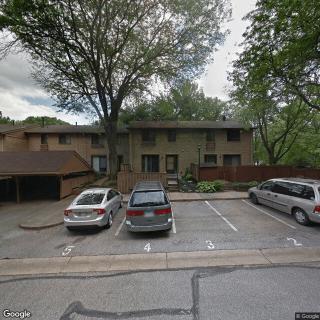
Cooper's Senior Assisted Group Home in Columbia, MD, offers a warm and welcoming environment for seniors seeking a comfortable living situation with personalized care. This community is thoughtfully designed to cater to the needs of its residents while promoting independence and quality of life.

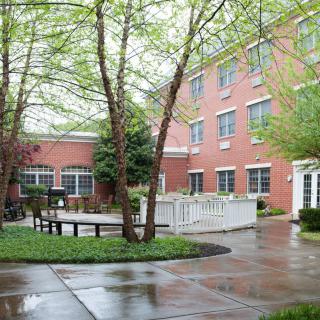
The home comes fully furnished and boasts a variety of amenities that enhance daily living. Residents can enjoy relaxing baths in well-equipped bathrooms, stay entertained with cable or satellite TV, and take advantage of high-speed Wi-Fi throughout the premises. A spacious dining room fosters social interaction at mealtime, and outdoor spaces along with beautifully maintained gardens offer tranquil areas for relaxation. Housekeeping services ensure that each resident’s living space is clean and inviting, allowing them to focus on enjoying their time.

Cooper's prioritizes comprehensive care services tailored to individual needs. Support includes assistance with activities of daily living such as bathing, dressing, and transfers. For those with specific health requirements, the staff provides specialized support including diabetic care, medication management, and coordination with healthcare providers. Residents also benefit from transportation arrangements for medical appointments and scheduled outings.

Dining options at Cooper's are both nutritious and accommodating to various dietary restrictions, including vegetarian meals. The community promotes an active lifestyle through a range of scheduled activities, residents can participate in Christian services or join community-sponsored events that nurture connection among neighbors.

Located conveniently near various amenities, including cafes, parks, pharmacies, physicians' offices, restaurants, places of worship, theaters, and hospitals, Cooper's Senior Assisted Group Home ensures that residents have easy access to essential services while enjoying vibrant local offerings.

Overall, Cooper's Senior Assisted Group Home embodies a commitment to supporting seniors in maintaining their dignity and independence within a nurturing environment designed to feel like home.

Nearby Places of Interest

Restaurants

  • Popeyes Louisiana Kitchen (0.6 miles)
  • Sapwood Cellars (0.9 miles)
  • Chick-Fil-A (1 miles)
  • Eggspectation (1 miles)
  • Chipotle Mexican Grill (1.4 miles)
  • Wendy's (1.4 miles)
  • Chick-Fil-A (1.7 miles)

Cafes

  • Starbucks (0.6 miles)
  • Starbucks (1.6 miles)
  • Café Nordstrom (2.8 miles)
  • Starbucks (3.5 miles)
  • Starbucks (3.5 miles)
  • Starbucks (4 miles)
  • Tous Les Jours (4.2 miles)

Physicians

  • Dr. Klebanow & Associates (0.7 miles)
  • American Radiology Services (0.7 miles)
  • Advanced Radiology (2.1 miles)
  • Parnes May & Associate - Wendy Hurwitz MD (2.2 miles)
  • Seton Medical Group (2.8 miles)
  • American Vein Institute (3.5 miles)
  • Mid Atlantic Nephrology Association (3.7 miles)

Places of Worship

  • Bridgeway Community Church (1 miles)
  • St Augustine's Church (5.1 miles)

Parks

  • Blandair Regional Park (1.5 miles)
  • Centennial Park (3 miles)
  • Centennial Park (3.1 miles)
  • Lake Elkhorn Park (3.2 miles)
  • Martin Road Park (4.1 miles)
  • Patapsco Valley State Park (5.3 miles)
  • David Force Park (5.8 miles)

Pharmacies

  • Walgreens (1.6 miles)
  • CVS Pharmacy (2.1 miles)
  • Wegmans (2.5 miles)
  • CVS Pharmacy (3.5 miles)
  • Rite Aid (4.2 miles)
  • Walmart Pharmacy (4.3 miles)
  • Walgreens (4.8 miles)

Hospitals

  • Sheppard Pratt Health System (2.7 miles)
  • Howard County General Hospital (4.1 miles)
  • Howard County General Hospital, Johns Hopkins Medicine (4.1 miles)
  • Spring Grove Hospital Center (5.6 miles)

Theaters

  • AMC Columbia 14 (2.9 miles)
  • Cinemark Holdings (6.2 miles)

Transportation

  • Avis Rent A Car (6.5 miles)
  • BWI Rental Car Facility (6.5 miles)
  • Hertz Rent A Car (6.5 miles)
  • Amtrak/MARC - BWI Rail Station (6.5 miles)

Frequently Asked Questions

Where is Cooper's Senior Assisted Group Home?

Nearby Communities

  • Mc Kete's Senior Home

    Mc Kete's Senior Home

    Columbia, MD


    pro Small, home-like setting with 24/7 supervision and comprehensive care.

  • Autumn Quest

    Autumn Quest

    Ellicott City, MD


    pro Intimate setting with personalized care and on-site amenities.

  • Sierra Woods

    Sierra Woods

    Columbia, MD

    3.5 from 16 reviews
     

    pro Excellent access to nearby amenities (cafes, parks, pharmacies, doctors, restaurants, worship, theater, hospitals).

  • Charter Senior Living of Columbia

    Charter Senior Living of Columbia

    Columbia, MD

    4.9 from 101 reviews
    $7,500 to $8,295 / month

    pro Compassionate staff with strong family communication and engaging activities.

  • Crystal Home,  Inc.

    Crystal Home, Inc.

    Ellicott City, MD


    pro Vibrant activities program with easy access to parks, dining, and medical services nearby.

  • Family Transitions Inc

    Family Transitions Inc

    Columbia, MD

    3.3 from 3 reviews
     

    pro Comprehensive care options with engaging on-site and off-site activities.

  • Morningside House of Ellicott City

    Morningside House of Ellicott City

    Ellicott City, MD

    4.7 from 169 reviews
    $4,000 to $7,500 / month

    pro Friendly, attentive staff; clean, well-maintained environment; good meals and engaging activities, with newly renovated memory care.

  • Park View at Ellicott City II

    Park View at Ellicott City II

    Ellicott City, MD

    4.3 from 9 reviews
    $810 to $1,000 / month

    pro Friendly staff, an active community, and clean, well-maintained apartments.

  • Winter Growth-Maryland Memories

    Winter Growth-Maryland Memories

    Columbia, MD

    4.7 from 39 reviews
    $4,288 / month

    pro Caring staff with engaging activities and a secure outdoor space.

Related Resources

  • assisted living for disabled adultsComprehensive Supportive Living Arrangements for Adults with Disabilities

    Assisted living for adults with disabilities has transformed to provide personalized care and support services aimed at improving residents' quality of life while balancing independence and assistance. However, low-income individuals often face challenges in affording these services, requiring navigation of various financial resources and advocacy for better policies and solutions.

  • how to pay for assisted livingFunding and Affording Assisted Living: A Thorough Overview

    Assisted living facilities provide support for older adults needing help with daily activities without extensive medical care, but their costs can be high and vary by location and services offered. Families often seek various funding options and financial strategies to manage these expenses effectively while considering future needs and potential price increases.

  • assisted living insuranceAssisted Living Expenses and Long-Term Care Insurance: A Comprehensive Exploration

    The article discusses assisted living expenses, the importance of long-term care insurance in covering these costs, and various financing options, highlighting the need for careful policy review and early planning to address potential needs. It also clarifies common misconceptions about Medicare and private health insurance limitations regarding long-term care coverage.