Magnolia Manor offers competitive pricing for its residential accommodations, standing out as a cost-effective choice in comparison to both Baltimore City and the broader state of Maryland. For instance, the semi-private room is available at $2,500 per month, significantly lower than the city's average of $3,116 and the state's average of $3,545. Similarly, residents opting for a private room can expect to pay $2,750 per month, which again positions Magnolia Manor favorably against Baltimore's rate of $3,729 and Maryland's state average of $4,112. This pricing strategy not only makes Magnolia Manor an attractive option for potential residents but also reflects its commitment to providing quality care without compromising on affordability.
Floor plans
Magnolia Manor
Baltimore city
Maryland
Semi-Private
$2,500
$3,116
$3,545
Private
$2,750
$3,729
$4,112
Assisted Living communities with a similar price nearby
Residents describe attentive support on the memory care floor and related personal care needs.
Several reviews tie the daily experience to memory care, including mention of a memory care floor and care that keeps residents clean, dressed, and settled when family arrives. Reviews also connect that support to personal needs and regular engagement, rather than a one-time transition experience.
common7 reviews mention this
Dining gets strong praise
Meals and dining room service earn consistently positive feedback from residents and families.
Food shows up repeatedly as a reason families feel good about day-to-day life, with comments about delicious dining room meals and good overall food quality. Some reviews also mention enjoying special dinner nights as part of the routine. A separate review raises concern about dinner taking too long and food sitting too long, including a near-choking episode.
common7 reviews mention this
Activities are a big part
Residents and families report lots of scheduled activities and outings.
Multiple reviews highlight frequent activity options, from organized events and exercise classes to outings and theme-style nights. Some families describe visiting and seeing residents engaged together, including live music and regular opportunities to participate. One review notes limited interest if a person does not join activities, and that only a few are offered for them.
common11 reviews mention this
Staff responsiveness and kindness
Families frequently describe staff as caring, proactive, and quick to respond to concerns.
Across reviews, families emphasize staff that feels approachable and supportive, with examples like attentive help in daily routines and being able to reach someone when questions come up. Several comments focus on staff communication, including keeping families informed and supporting transitions into the community. A smaller number of experiences stand out negatively, including claims about inadequate support and missed care moments.
common2 reviews mention this
Pricing feels affordable
Families mention the community as reasonably priced for the level of support they see.
Two reviews explicitly describe the community as affordable or reasonably priced. That aligns with the published monthly rate range being presented as below county and state comparisons across the unit types referenced on the page.
How we summarize
Counts show how many written reviews mention each theme; a review can touch several themes, and only frequently mentioned themes are displayed.
Features
Housing
15 resident community capacity
Types of Care
Assisted Living
Board and Care Home
Amenities
Activities off-site
Bath tubs
Cable or satellite TV
Devotional services off-site
Dining room
Fully furnished
Garden
Housekeeping services
Indoor common areas
Move-in coordination
Outdoor common areas
Outdoor space
Private
Telephone
Wi-Fi/high-speed internet available
Transportation
Baltimore-Washington International (6 miles away)
Care Services
24-hour supervision
Activities of daily living assistance
Ambulatory care
Assistance with bathing
Assistance with dressing
Assistance with transfers
Coordination with health care providers
Diabetes diet
Diabetic care
High acuity care
Incontinence care
Meal preparation and service
Medication management
Special dietary restrictions
Transportation arrangement (medical)
Transportation to doctors appointments
Dining
Diabetes diet
Meals provided
Special dietary restrictions
Activities
Activities off-site
Community-sponsored activities
Devotional activities offsite
Scheduled daily activities
Nearby Places of Interest
Located in Catonsville, Maryland, this area offers a range of amenities that cater to the needs and interests of older adults considering senior living. The proximity to top hospitals such as Spring Grove Hospital Center and University of Maryland Medical Center ensures access to quality healthcare services. Additionally, there are various physicians' offices and pharmacies nearby for convenient medical care. For leisure activities, residents can enjoy dining at local restaurants like Manor Hill Tavern or exploring the beautiful parks such as Patapsco Valley State Park. Transportation options are also readily available with the BWI Rail Station and rental car facilities nearby. Overall, this neighborhood provides a mix of essential services, recreational opportunities, and convenience for seniors looking to settle in a vibrant community.
Hospitals
Spring Grove Hospital Center (0.9 miles)
Sheppard Pratt Health System (3.5 miles)
University of Maryland Medical Center (6.1 miles)
Baltimore VA Medical Center (6.1 miles)
UMMC Midtown Campus (6.6 miles)
Physicians
Wilkens Medical Center (1.8 miles)
Saint Agnes Medical Group: Maryland Cardiovascular Specialists - Catonsville (2.9 miles)
South Baltimore County Medical Center | Kaiser Permanente (2.9 miles)
Pine Heights Integrative Health (3 miles)
University of Maryland Rehabilitation & Orthopaedic Institute (4.5 miles)
American Radiology Services (4.8 miles)
Dr. Klebanow & Associates (5 miles)
Pharmacies
Walgreens (2.5 miles)
CVS Pharmacy (2.6 miles)
Rite Aid (2.6 miles)
CVS Pharmacy (4.7 miles)
Rite Aid (4.9 miles)
Walgreens (5 miles)
CVS Pharmacy (5.4 miles)
Restaurants
Guinness Open Gate Brewery & Barrel House (2.5 miles)
Magnolia Manor offers competitive pricing for its residential accommodations, standing out as a cost-effective choice in comparison to both Baltimore City and the broader state of Maryland. For instance, the semi-private room is available at $2,500 per month, significantly lower than the city's average of $3,116 and the state's average of $3,545. Similarly, residents opting for a private room can expect to pay $2,750 per month, which again positions Magnolia Manor favorably against Baltimore's rate of $3,729 and Maryland's state average of $4,112. This pricing strategy not only makes Magnolia Manor an attractive option for potential residents but also reflects its commitment to providing quality care without compromising on affordability.
Assisted living communities offer diverse activities beyond traditional games to enhance seniors' physical health, cognitive well-being, emotional enrichment, and social connections, including fitness classes, creative expression, and intergenerational interactions. These enriching programs foster community bonds and support residents' independence and happiness.
The article differentiates between assisted living and memory care, explaining that assisted living supports seniors with daily activities while promoting independence, whereas memory care provides specialized services for individuals with dementia, focusing on secure environments and cognitive support. It also addresses staff training, safety considerations, costs, family involvement, and transition strategies for families navigating these care options.
Family caregivers face emotional, legal, and practical challenges when elderly parents refuse assisted living, often due to fears of losing autonomy. Open conversations and professional assessments can help address these concerns while exploring alternatives and ensuring safety, potentially leading to legal guardianship if necessary.
Get PricingAsk A QuestionSchedule A TourContact Senior Advisor
By clicking submit, you agree to our Partner's Terms of Use. You
also consent to receive calls and texts, which may be autodialed, from our Partner. Your consent is not a condition to
using our Partner's service. Please visit our Partner's Privacy Policy for information about their privacy practices.

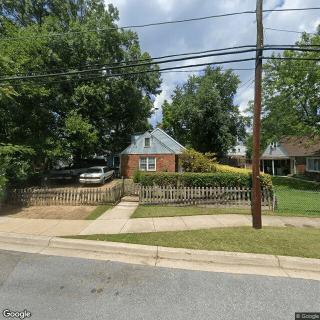
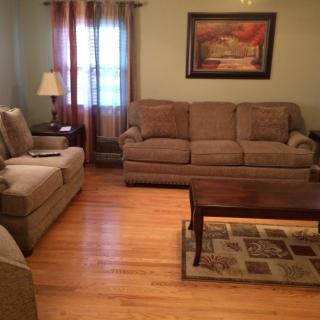

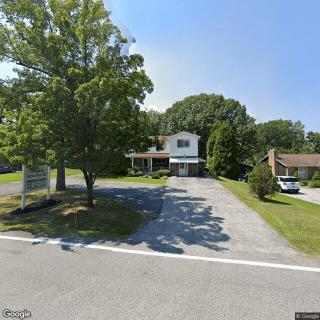
 15 resident community capacity
 Assisted Living
 Board and Care Home
 Activities off-site
 Bath tubs
 Cable or satellite TV
 Devotional services off-site
 Dining room
 Fully furnished
 Garden
 Housekeeping services
 Indoor common areas
 Move-in coordination
 Outdoor common areas
 Private
 Telephone
 Wi-Fi/high-speed internet available
 Baltimore-Washington International (6 miles away)
 24-hour supervision
 Ambulatory care
 Assistance with bathing
 Assistance with dressing
 Assistance with transfers
 Diabetes diet
 Diabetic care
 High acuity care
 Incontinence care
 Meal preparation and service
 Medication management
 Special dietary restrictions
 Transportation arrangement (medical)
 Transportation to doctors appointments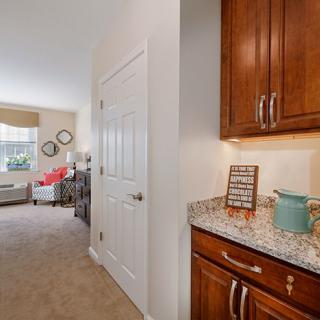
 Clean, attractive environment with friendly staff, engaging activities and restaurant-style dining.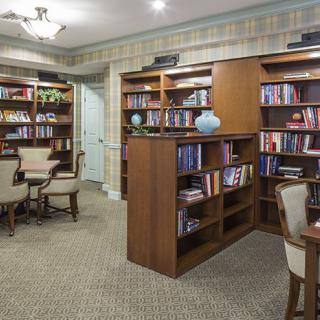





 Beyond the Bingo Hall: 50+ Enriching Activities for Seniors in Assisted Living
 Understanding the Distinctions: Assisted Living and Memory Care Explained
 Guiding Elderly Parents Who Refuse Assisted Living: 6 Practical Steps