
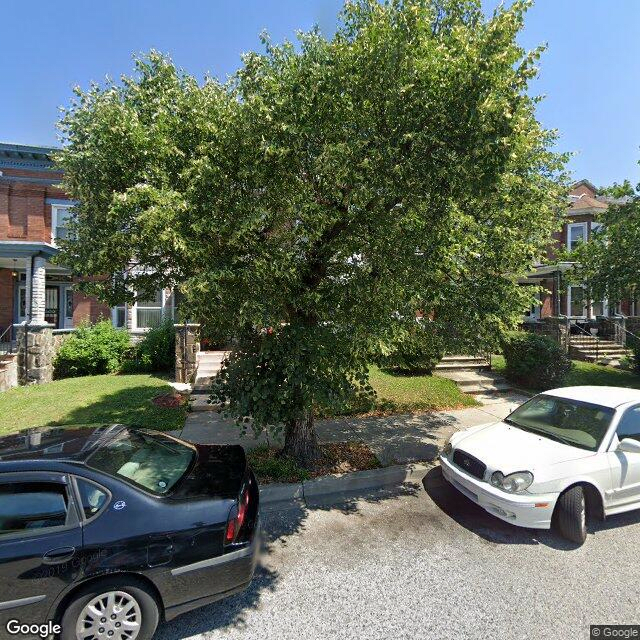
2416 Harlem ave, Baltimore, MD 21216
To contact a resident: (443) 600-0752
For more information about senior living options: (866) 208-4318
Overall Review of Together We Care
Pros
 They provide excellent services.
- The business is very professional, with a beautiful, welcoming office and an informative staff that explains things clearly.
- It is a wonderful and trustworthy place worth recommending.
- They absolutely love this organization and value the participants and employees.
- The staff are professional and skilled.
- The organization has a highly dedicated team, with staff working around the clock to support clients and ensure they are well-matched with their assignments.
Cons
 The reviewer claims the promised teamwork and clear communication are false, noting the main office communicates by text, if at all.
- They say the doctors are dismissive of patients' feelings and try to dictate how they should feel.
- They describe it as unacceptable for a doctor to belittle a patient’s mental state or minimize concerns about medications.
- They express genuine shock at the location and describe the staff as unresponsive and unhelpful.
- They warn others to avoid the place because it does not make people feel cared for.
Review
Together We Care in Baltimore is best suited for families pursuing an independence-forward support model for adults with disabilities. It presents as a professional partner that helps individuals hold jobs and live with limited assistance, rather than a medical facility. The strength lies in reliable, around-the-clock staffing, careful participant-to-role matching, and a practical approach to daily living. Reviewers repeatedly praise a welcoming office, clear explanations, and a culture that values both participants and staff. For families that prize professional polish, transparent communication, and a team that treats independence as the central outcome, this community stands out as a compelling option.
Alternatives to consider: Those who need ongoing medical oversight or integrated healthcare should look elsewhere. The program is not a healthcare provider and does not prescribe medications; medical decisions must come from outside providers. For clients with active treatment plans, psychiatric support, or routine medication management, a setting with in-house medical coordination will be a better fit. The independence-focused model is strong, but medical-centric expectations may not be met here. This is a choice for non-clinical support that aims to empower living independently with limited assistance, rather than a substitute for healthcare services.
Key strengths emerge from the staff’s professionalism and the culture. The team is described as skilled, dedicated, and attentive to matching participants with appropriate assignments. The office environment offers a calm, welcoming first impression that helps families feel confident. Clear explanations and ready access to information reduce guesswork for families navigating next steps. Taken together, these elements create a reliable backbone for independence-oriented living, reinforcing trust and consistency in daily routines. The ethic of valuing both participants and employees strengthens continuity of care and the overall experience.
One substantial caveat centers on communication and medical responsiveness. A negative account alleges poor communication, relying on text updates and leaving some concerns unattended. More troubling is a clinical interaction described as dismissive toward ADHD treatment, suggesting medications were unnecessary and belittling the client’s feelings. Such experiences clash with the stated team approach and highlight a potential misalignment between non-medical staff and clients’ emotional and medical realities. While this is only one voice among several, it signals a real risk that medical questions may lack the respectful, timely attention expected when medical matters surface. It reinforces the reality that medical care will require active outreach to external providers, and that expectations should be clearly managed from the start.
Practical decision guidelines point to concrete questions. Before enrolling, request details on how communication will work, who is the primary contact, and what escalation looks like. Probe how matches between participants and assignments are determined, how often staff check in, and what non-medical supports are reliably available. Confirm that medical needs are handled by licensed providers outside the program and clarify any collaboration with healthcare professionals in coordinating independence goals. If independence and daily living coaching are the priority, this program delivers a stable, professional framework. If dependable on-site medical oversight is essential, consider alternatives with integrated healthcare to avoid gaps in care.
Bottom line: Together We Care is a practical option for families seeking independence-focused support backed by professional staff and a welcoming environment. The strong 4.5 rating from eight reviews, seven five-star and one critical note, reflects broad satisfaction with a meaningful caveat about medical and communication needs. For clients who can work with outsourced medical oversight and a focus on non-clinical support, this community offers a trustworthy path. For those requiring integrated healthcare, exploring alternatives with in-house medical coordination is the prudent path.
 Baltimore-Washington International (8 miles away)

 Comprehensive Insights into Palliative Home Care: What It Is and What to Expect
 Skilled Nursing Facilities vs. Nursing Homes: Making Sense of the Differences
 A Detailed Examination of Nursing Home Costs Across the U.S.