
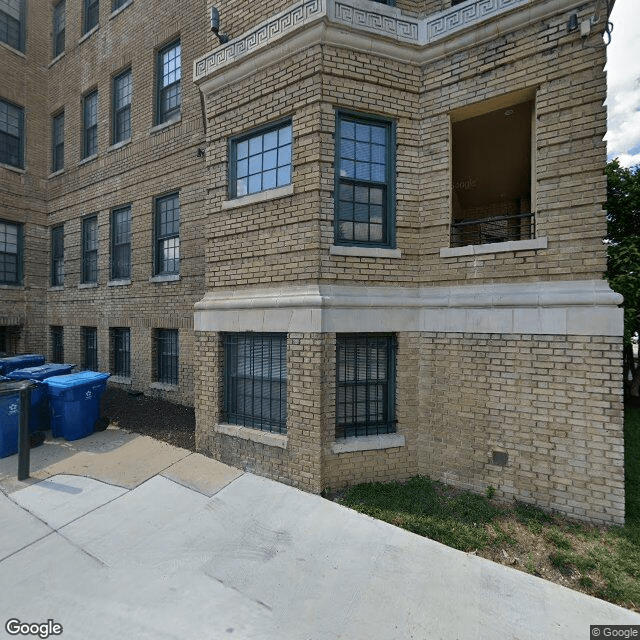
901 Druid Park Lake Drive, Baltimore, MD 21217
To contact a resident: (410) 383-8828
For more information about senior living options: (866) 208-4318
Riviera Costs & Pricing
When examining the cost of living for Riviera in comparison to Baltimore city and the broader state of Maryland, it is evident that Riviera offers a competitive pricing structure for prospective residents. For a one-bedroom unit, renters can expect to pay $950 per month, significantly lower than the average of $3,113 in Baltimore city and $3,904 across the state. Similarly, two-bedroom units in Riviera are priced at $1,100 monthly, which also undercuts the Baltimore city average of $2,993 and the statewide figure of $3,497. This cost advantage makes Riviera an attractive option for those seeking affordability without compromising on quality of living.
| Floor plans | Riviera | Baltimore city | Maryland |
|---|---|---|---|
| 1 Bedroom | $950 | $3,113 | $3,904 |
| 2 Bedrooms | $1,100 | $2,993 | $3,497 |
Senior living communities with a similar price nearby
-
from +$50 / mo
The Soul Of Medicine
$1,000 to $3,500 / month4.5 miles away -
from +$183 / mo
Evergreen Senior Apartments
$1,133 / month10.0 miles away -
About the same
Park View at Emerson
$975 to $1,175 / month17.2 miles away -
from -$75 / mo
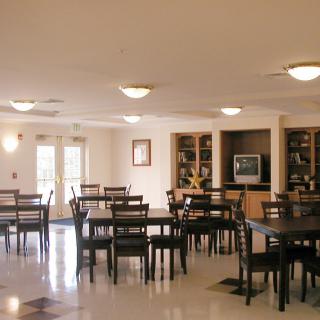
Cove Point Apartments 1
$875 / month8.0 miles away -
from -$163 / mo
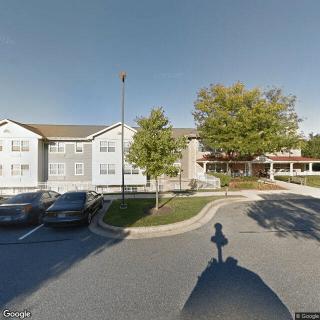
Park View at Taylor
$787 to $1,144 / month6.7 miles away
Overall Review of Riviera
Pros
 It is a safe place to live.
- The reservoir across the street is relaxing, and the neighbors are friendly and welcoming.
- The apartments were nice.
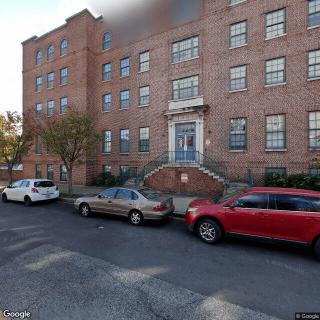
- The building’s presentation is appealing.
Cons
 They didn’t get the apartment at this place.
- The Chateau building is HORRIBLE, with a rodent problem and lots of insects; it feels like a zoo.
- The rental office staff are not friendly and don’t seem to care about the problems, and they drag their feet.
- The maintenance staff are not friendly, and residents are told not to call them at night because of attitude and rudeness.
- The process was disappointing as the company dragged its feet, denied them on credit after a month and a half, and the leasing agent Lina didn’t return calls.
- The place sucks.
- The rooms were very small.
Review
Riviera in Baltimore is best suited for independent seniors who want affordable, apartment-style living in a central, walkable area and who can tolerate imperfect property management and occasional maintenance headaches. The units are compact but presentable, appealing to residents who prioritize moving in quickly without the demands of a high-end senior community. This is not a place for someone who relies on constant staff support or who expects pristine pest control and flawless administrative processes; it is a practical option for those who value location, budget, and the freedom that comes with self-sufficiency.
Those who require a consistently smooth leasing experience, transparent criteria, and reliably responsive management should consider alternatives. The experience reported by several reviewers includes slow communications, unclear or undisclosed income requirements, and delays in getting into apartments. Prospective residents should recognize that the leasing process can feel opaque, with notes of unreturned calls and disputes over deposits. For families prioritizing predictability in move-in timelines, upfront disclosures, and a straightforward application path, Riviera may be a mismatch.
On the upside, the property presents well on arrival. Apartments, while small, have a neat, finished look, and the building’s common areas project a tidy, organized impression. The Chateau portion is part of Riviera, and there is a quiet charm in the external presentation that can help residents feel a sense of place. The location itself offers tangible perks: proximity to a reservoir across the street provides a pleasant, relaxing backdrop and a potential outdoor option for residents who prefer a gentle stroll or a scenic view. Neighbors are frequently described as friendly, contributing to a basic sense of community that can ease the transition into independent living.
The most significant negatives are substantial and not easily offset. Rodent and pest issues in the Chateau building are repeatedly described as severe, with insects and other pests raising daily living concerns. Maintenance staff and rental office personnel are portrayed as unfriendly or slow to respond, sometimes dragging feet on necessary repairs and late-night emergencies. The move-in process can feel like a slog, with accounts of delayed decisions, unanswered messages, and inconsistent customer service. Financial friction is another red flag: unclear credit criteria, promises that don’t translate into timely responses, and difficulties securing or recovering deposits.
These drawbacks matter because they directly affect daily quality of life and financial peace of mind. Yet the pros, lower rent, a manageable apartment footprint, a walkable urban setting, and a welcoming neighbor environment, offer real value for the right resident. For someone who can tolerate intermittent pest control challenges, who can manage or push for timely service when problems arise, and who views the reservoir-adjacent locale as a meaningful amenity, Riviera still holds practical appeal. The blend of affordability, location, and a basic sense of community can translate into a workable living scenario, provided expectations are aligned with the administrative realities.
For families weighing Riviera, a structured, pre-commitment approach is essential. Schedule a thorough tour with a checklist that covers pest control history, maintenance response times, and the exact process for handling deposits and refunds. Demand concrete, written timelines for application decisions and move-in dates, and insist on a clear explanation of credit or income verification. Request copies of service-level agreements around maintenance and pest control so issues have a documented path to resolution. If these assurances cannot be documented in writing, or if rapid, responsive management is non-negotiable, alternatives should be pursued. Riviera represents a mixed bag: compelling for budget-focused, independent seniors who can tolerate inconsistency, but risky for those who need dependable operations and impeccable upkeep.
 Active Adult Communities (55+)
 Activities on-site
 Baltimore-Washington International (10 miles away)
 Understanding the Nuances of Palliative Care and Hospice: A Comprehensive Exploration
 Fecal Incontinence in Older Adults: A Comprehensive Guide
 Recognizing the Journey: Understanding and Navigating Anticipatory Grief