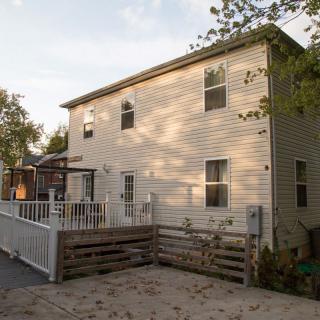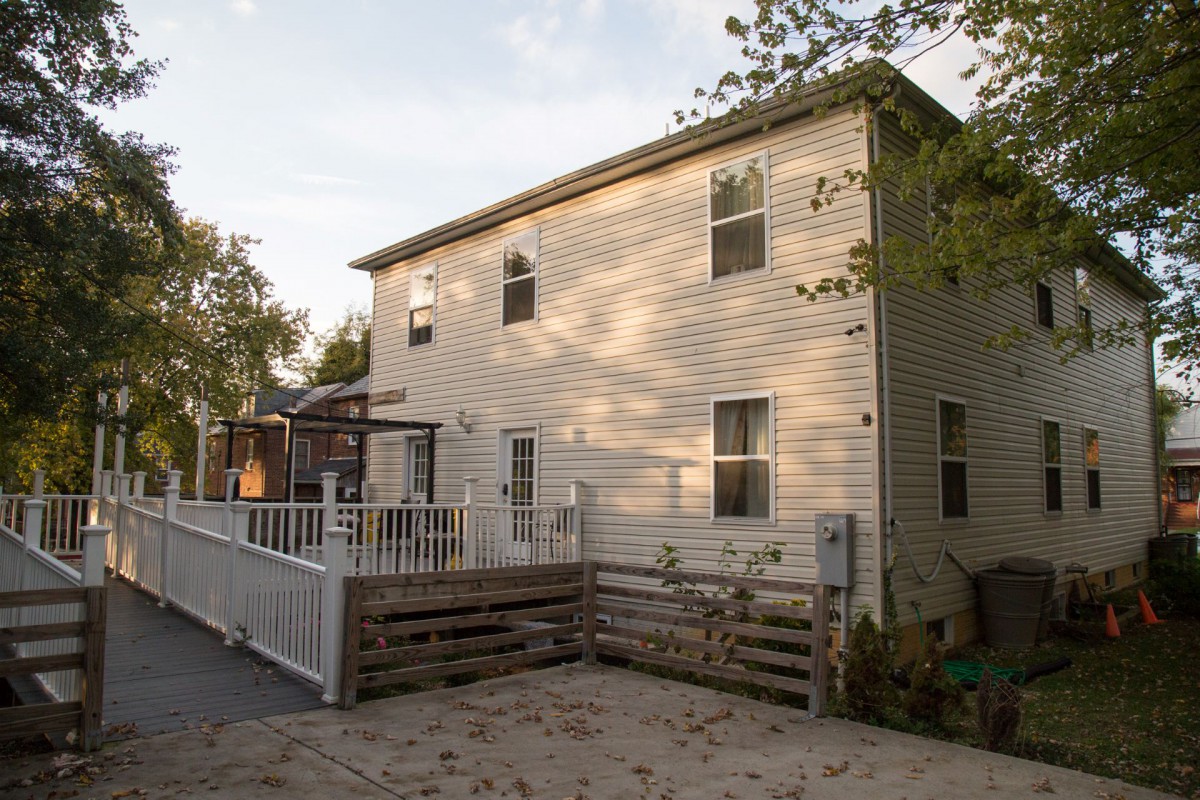
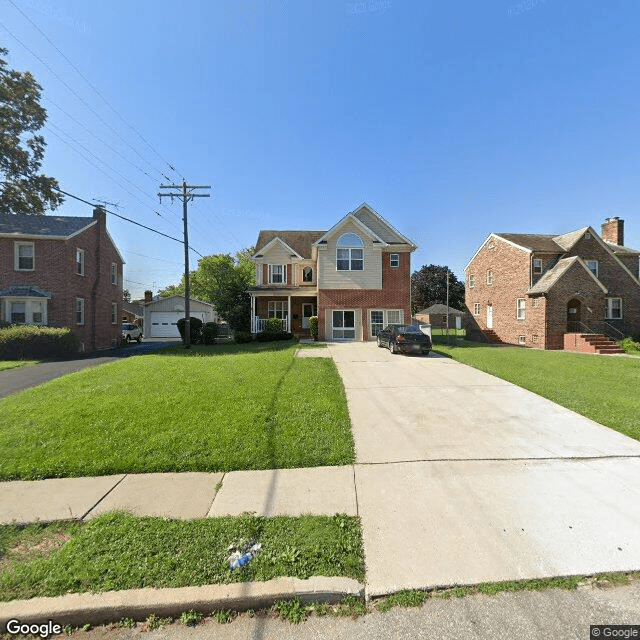
3603 Glenmore Ave, Baltimore, MD 21206
To contact a resident: (410) 870-0758
For more information about senior living options: (866) 208-4318
Pleasant Garden Glenmore Costs & Pricing
Pleasant Garden Glenmore offers competitive pricing for its residential accommodations, providing a cost-effective alternative in comparison to both Baltimore City and the broader state of Maryland. For semi-private rooms, residents at Pleasant Garden Glenmore pay $1,800 per month, significantly lower than the average costs in Baltimore City at $3,116 and the state's average of $3,545. Similarly, those opting for private rooms will find Pleasant Garden Glenmore's rate of $2,500 to be more affordable than the city's price of $3,729 or the state's average of $4,112. These distinctions not only highlight Pleasant Garden Glenmore's commitment to accessibility but also position it as an attractive option for individuals seeking quality care without compromising their financial stability.
| Floor plans | Pleasant Garden Glenmore | Baltimore city | Maryland |
|---|---|---|---|
| Semi-Private | $1,800 | $3,116 | $3,545 |
| Private | $2,500 | $3,729 | $4,112 |
Senior living communities with a similar price nearby
-
from +$200 / mo
Mabel's House Assisted Living
$2,000 / month7.9 miles away -
from -$215 / mo
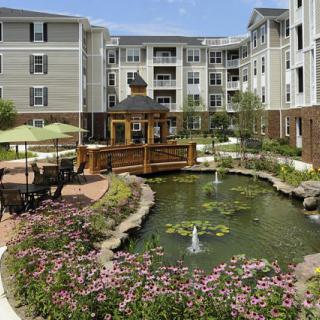
Alta at Regency Crest
$1,585 to $2,040 / month15.0 miles away -
from +$200 / mo

Young at Heart Assisted Living
$2,000 to $2,500 / month13.2 miles away -
from -$300 / mo
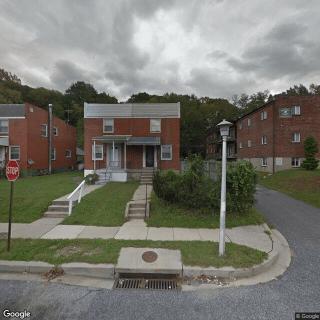
Dee's House of Care
$1,500 to $2,000 / month0.4 miles away -
from -$100 / mo
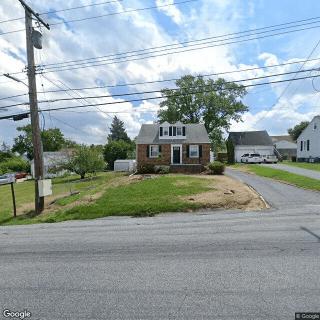
Moms & Pops Place
$1,700 to $2,000 / month2.0 miles away
Overall Review of Pleasant Garden Glenmore
Pros
 Good people that work there.
- They seem to really care about the residents.
- My sister loves the food.
- The house manager is a wonderful, caring woman who is also a great cook.
- She really cares and it shows.
- The staff and the atmosphere are great, and the resident is happy and well cared for.
- The rooms at this community were pretty spacious.
- The community is quiet and very clean, with a homey feeling.
Cons
 The staff helped themselves to the residents' food.
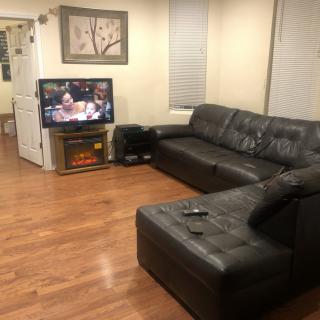
- The place was loud and the living room area cluttered.
- There were constant flies and roaches in the father’s room.
- Sometimes the food was subpar for the amount he was paying monthly.
- They removed their loved one from there.
- It was not the right place for him.
- It wasn’t all bad, but there wasn’t enough good.
- The facility was terrible—dirty, smelly, with a resident yelling and cursing.
- They felt there weren’t enough eyes to watch all the residents.
- Their loved one’s clothes and shoes got lost.
- They saw another resident wearing their loved one’s clothes.
- There was a major lack of communication and no one could give them any answers.
- After hospitalization, they were not allowed back in.
- They had to learn from a third party that she was not allowed back in.
- The owner lied about activities, food, and certified employees.
- The staff could be a little friendlier.
- They would not allow a loved one to live there.
Review
Pleasant Garden Glenmore is best suited for seniors who prize privacy, a warm, home-like atmosphere, and active family involvement. The community often delivers private rooms and a calm, residential feel that appeals to residents who value personal space and straightforward routines. For wheelchair users and for families seeking a facility with on-site medical oversight and approachable staff, this location can be a practical fit, especially when the priority is a less institutional environment and accessible day-to-day living.
That said, several realities push families to consider alternatives. Some residents and families report cleanliness and upkeep issues, including pests and clutter in common areas and rooms. There are accounts of noise and a living room that feels crowded or disorganized, which can undermine the sense of home that the facility aims to project. A few reviews highlight gaps in communication, with messages about hospital transitions or care plans not always reaching families in a timely or clear manner. These factors matter when the decision hinges on reliable day-to-day predictability and comfort.
The strongest positives at Pleasant Garden Glenmore center on human elements and tangible daily life. Staff are described as caring and approachable, often staying engaged with families and residents alike. The presence of a doctor on site provides a practical medical touchpoint, and the house manager is repeatedly characterized as warm and attentive, a factor that can make transitions smoother and daily routines easier to navigate. Private rooms are a standout feature for many, contributing to a sense of autonomy and personal dignity, while some reviewers praise the quality of food and the overall quiet, homelike ambiance.
Despite these strengths, the main cons cannot be ignored. The facility battles recurring concerns about cleanliness and pests in some areas, and a perception that visibility and supervision of all residents aren’t as robust as desired. Reports of lost clothing and occasional misplacements point to gaps in accountability and administrative follow-through. The most alarming instance involves a hospital discharge issue where a resident was not readmitted, underscoring the fragility of care coordination and the need for airtight communication and policy clarity. Taken together, these risks meaningfully temper the otherwise positive impressions.
Families evaluating Pleasant Garden Glenmore should insist on concrete assurances before moving a loved one in. A current tour that includes peak activity times can reveal how well staff supervise and monitor residents, while a direct look at housekeeping routines, pest control measures, and room upkeep can establish baseline cleanliness. Request up-to-date meal plans, ask who handles lost-and-found items, and explore how staff communication with families is structured, frequency, channels, and escalation paths. Finally, seek explicit confirmation about hospital-reentry procedures, resident safety protocols, and accountability measures so a move-in decision rests on verifiable practices rather than hopeful impressions.
In the end, Pleasant Garden Glenmore serves best those who value private space, personal choice, and an on-site medical presence, with a staff-driven culture that many families find reassuring. When cleanliness, consistent supervision, and unambiguous communication can be guaranteed, this community offers a solid, practical option. If any of those assurances feel uncertain or difficult to secure, exploring alternatives with stronger track records on housekeeping, transparent operations, and reliable daily oversight is a prudent course. The right choice hinges on balancing the comfort of a homey setting and private accommodations against the non-negotiables of safety, cleanliness, and clear, consistent communication.
 Board and Care Home
 Private
 Wheelchair accessible showers
 Baltimore-Washington International (14 miles away)

 Comprehensive Insights and Practical Strategies to Help Older Adults Avoid Falls
 6 Crucial Ways an Elder Law Attorney Assists Families
 Navigating the Tax Landscape of Caregiving: Credits, Deductions, and Beyond