
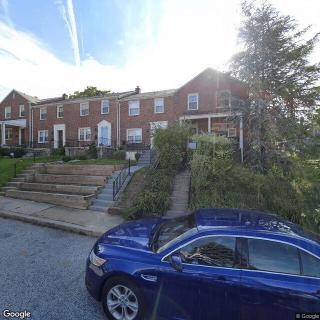
1660 Roundhill Road, Baltimore, MD 21218
For more information about senior living options: (866) 208-4318
K And R's Assisted Living Costs & Pricing
K And R's Assisted Living offers private rooms at a competitive rate of $3,900 per month. This cost is slightly higher than the average for Baltimore City, which stands at $3,729, but remains more affordable compared to the broader state average in Maryland of $4,112. This pricing reflects K And R's commitment to providing quality care while ensuring that residents receive valuable services and amenities tailored to their needs. Overall, while there are variances in pricing between K And R's and other local options, the facility's offerings position it as a viable choice for those seeking assisted living solutions in the area.
| Floor plans | K And R's Assisted Living | Baltimore city | Maryland |
|---|---|---|---|
| Private | $3,900 | $3,729 | $4,112 |
Assisted Living communities with a similar price nearby
-
from -$700 / mo

Mumsey's Residential Care
$3,200 to $5,400 / month5.5 miles away -
from -$400 / mo

Greenway Manor
$3,500 to $3,800 / month13.7 miles away -
from -$400 / mo
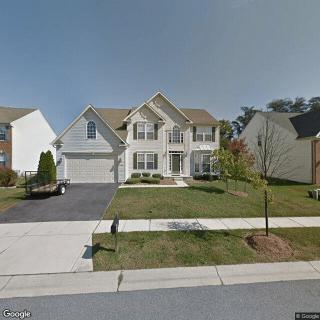
Hanover Assisted Living
$3,500 to $5,000 / month14.9 miles away -
from -$275 / mo
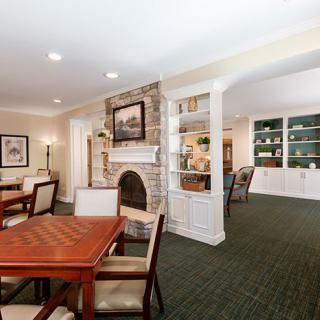
Brightview Avondell
$3,625 to $5,165 / month18.0 miles away -
from -$510 / mo
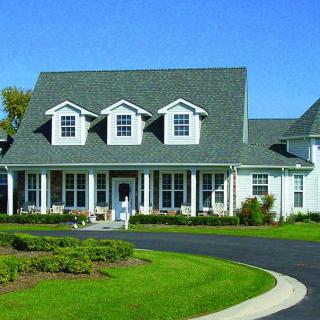
Commonwealth Senior Living at Bel Air
$3,390 to $6,180 / month19.1 miles away
Overall Review of K And R's Assisted Living
Pros
 The staff are patient, caring, and treat residents like family.
- The environment feels like a warm, homey atmosphere.
- They advocate for residents’ care and coordinate with hospitals when needed.
- The meals are delicious, nutritious, and well-prepared.
- Jean and Shelly demonstrate deep compassion and dedication to residents.
- The facility is clean, well-maintained, and tastefully decorated.
- Families can sleep well knowing their loved ones are in good hands.
- The setting offers personalized, attentive care that preserves dignity and independence.
Cons
 The reviewer became increasingly frustrated during the search for the perfect residence for their 87 year old grandmother who suffers from dementia.
- The reviewer described the previous care provider as horrible.
- The reviewer was somewhat skeptical because it wasn’t a big corporation like the other facilities they had previously visited.
Review
K&R’s Assisted Living in Baltimore is best suited for families seeking a warm, home-like environment where a senior who needs daily support, especially with dementia, can receive highly personalized attention. This is a small, family-operated operation rather than a corporate campus, led by Jean and Shelly who are repeatedly described as genuinely caring and deeply involved in daily care, meal quality, and the emotional well-being of residents. The consensus is clear: when a loved one benefits from consistent, compassionate supervision, strong advocacy during hospital stays, and a setting that feels like home, this community stands out.
Those who should consider alternatives are those who need a more clinical, large-scale platform with formal memory-care programming or guaranteed 24/7 medical staffing on a campus with extensive on-site therapies. If a family requires a broader array of services, more structured rehab programs, or the feel of a traditional nursing home, a bigger facility may deliver that scale. Additionally, if location, a highly formalized routine, or highly standardized processes are non-negotiable, this intimate setting may feel less aligned with those expectations.
On the upside, the pros here are transformative and consistently reinforced across reviews. The dementia care approach is described as patient, attentive, and deeply compassionate, with staff who stay on top of every detail and even advocate for loved ones during hospital or acute care episodes. Food is repeatedly praised as thoughtful and well-prepared, and the atmosphere is repeatedly called a “homey” and “family-like” environment where residents smile and feel cared for. Cleanliness and a well-staffed feel underpin the day-to-day experience, and the care teams earn trust by treating residents like family rather than numbers.
But the strongest pros must be weighed against the reality of a smaller operation. The major offset is that resources will naturally be more limited than at a larger facility: there may be fewer on-site specialists, a narrower menu of therapeutic programs, and less redundancy in medical coverage simply by virtue of the scale. For families who want an all-in-house, hospital-caliber medical apparatus or relentless 24/7 nursing oversight, this setting may feel leaner. In practice, the care model relies heavily on the dedication of Jean, Shelly, and their team, with families providing some level of ongoing involvement to maintain the high-touch standard.
The evidence of positive outcomes is robust and persuasive. Families report real health stabilization and improved well-being for loved ones after moving in, with notes that routines, meals, and daily care feel elevated from prior experiences. Professional observers, placement specialists and healthcare consultants, stress the professionalism, clean environment, and the supportive, healing-oriented home atmosphere. Stories of personal advocacy during hospital stays and the sense that “this is the place” for a loved one’s dignity recur, underscoring that the intangible assets, trust, empathy, continuity of care, are the true engines here.
Bottom line: for families prioritizing intimate, compassionate care in a home-like setting and who can accept a smaller-scale operation, K&R’s Assisted Living is a strong fit, especially when dementia care and personal attention are non-negotiable. Those who need robust on-site medical infrastructure, a large, program-rich campus, or a highly standardized clinical model should consider alternatives. Pros offset most concerns when the family’s values align with a hands-on, family-centered approach; the next step is a focused visit to meet Jean, Shelly, and the immediate care team, ask pointed questions about staffing patterns, medical oversight, and care planning, and observe whether the atmosphere genuinely feels like a trusted extension of home.
 5 resident community capacity
 Assisted Living
 Cable or satellite TV
 Dining room
 Fully furnished
 Garden
 Housekeeping services
 Move-in coordination
 Outdoor space
 Telephone
 Wi-Fi/high-speed internet available
 Baltimore-Washington International (12 miles away)
 24-hour supervision
 Activities of daily living assistance
 Assistance with bathing
 Assistance with dressing
 Assistance with transfers
 Diabetes diet
 Meal preparation and service
 Medication management
 Special dietary restrictions
 Transportation arrangement (medical)
 Transportation to doctors appointments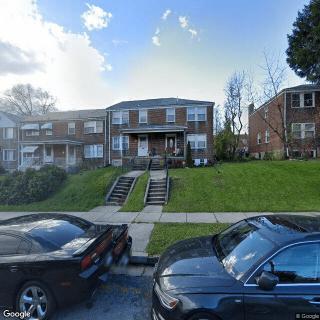



 Assisted Living and Memory Care: Understanding Their Core Differences
 Beyond the Bingo Hall: 50+ Enriching Activities for Seniors in Assisted Living
 Understanding the Distinctions: Assisted Living and Memory Care Explained