
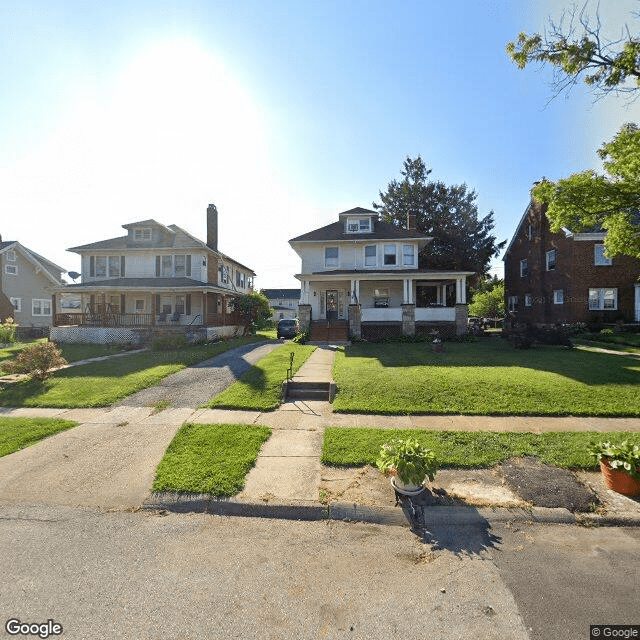
3511 Copley Road, Baltimore, MD 21215
To contact a resident: (410) 664-8834
For more information about senior living options: (866) 208-4318
Harmony House I Costs & Pricing
Harmony House I offers competitive pricing for its residential accommodations, significantly lower than both the average costs in Baltimore City and the broader state of Maryland. For a semi-private room, residents pay $1,800 per month, which is quite favorable compared to the city's average of $3,116 and the state's average of $3,545. Similarly, for those seeking privacy, Harmony House I charges $2,100 per month for a private room - again a substantial savings against Baltimore's average of $3,729 and Maryland's overall rate of $4,112. These cost differences highlight Harmony House I's commitment to providing affordable care without sacrificing quality in an increasingly challenging financial landscape for assisted living options.
| Floor plans | Harmony House I | Baltimore city | Maryland |
|---|---|---|---|
| Semi-Private | $1,800 | $3,116 | $3,545 |
| Private | $2,100 | $3,729 | $4,112 |
Senior living communities with a similar price nearby
-
from +$200 / mo
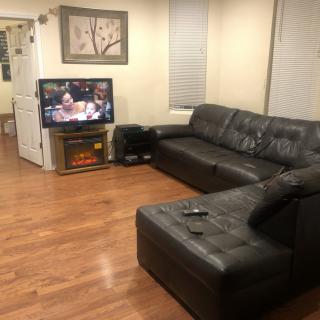
Mabel's House Assisted Living
$2,000 / month0.7 miles away -
from -$215 / mo
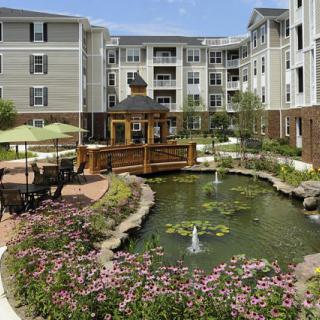
Alta at Regency Crest
$1,585 to $2,040 / month7.8 miles away -
from +$200 / mo

Young at Heart Assisted Living
$2,000 to $2,500 / month20.3 miles away -
from -$300 / mo
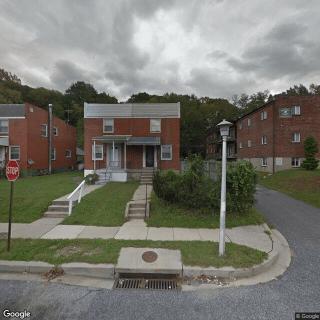
Dee's House of Care
$1,500 to $2,000 / month7.1 miles away -
from -$100 / mo
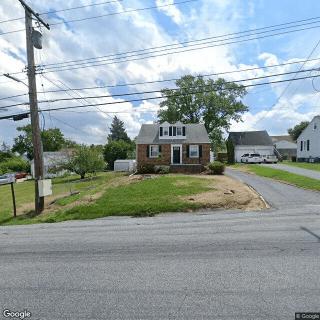
Moms & Pops Place
$1,700 to $2,000 / month8.6 miles away
Overall Review of Harmony House I
Pros
 Katherine Brooks is a wonderful person.
- Katherine Brooks is a very good caretaker to the reviewer’s mother.
- Homes for Mom does so well.
- Katherine can get more clients to help her.
Cons
 Katherine Brooks is a little pushy at times.
Review
Harmony House I in Baltimore is best suited for families who value deeply personal, caregiver-driven attention in assisted living. This community earns its high marks not from flashy amenities but from the credibility of the frontline caregiver relationship. The standout factor is a hands-on, compassionate caregiver who builds daily trust with residents, allowing families to feel their loved one is seen, heard, and gently guided through everyday needs. In practice, this translates into stable routines, responsive problem solving, and a sense that the most important cares, safety, dignity, and consistent presence, are prioritized above all else. With a 4.7 rating from three reviews, the model clearly resonates with families who want a human-centered approach that delivers tangible peace of mind. The focus is squarely on real-life, daily caregiving rather than abstract promises.
Who should consider alternatives? If medical oversight and formal clinical programming are non-negotiable, this may not be the right fit. Harmony House I appears to lean on individualized caregiver relationships rather than an on-site medical director with a prescriptive care plan. Families seeking a larger community with more structured activity calendars or more comprehensive memory care services might find better alignment elsewhere. Additionally, those prioritizing ultra-private, independent living with minimal staffing interactions may discover the level of daily engagement here feels more hands-on than desired. Finally, families on a tight budget should compare pricing and what’s included, as a high-touch model can carry higher ongoing costs. In short, it favors hands-on, relationship-driven care over formal clinical scaffolding.
Pros center on the caregiver talent. The strongest note across the reviews is the quality and dedication of the caregiving presented by Katherine Brooks, described as wonderful and very effective for the mother she cares for. This isn’t merely kindness; it’s reliable, proactive care that translates into practical outcomes, consistent daily routines, timely assistance, and a communication style that keeps family members informed. The sentiment that the caregiver’s performance has a tangible impact on a loved one’s well-being is powerful: when a family member says they are very happy with the choice, it signals trust that the care plan will be carried out with both empathy and competence. The relationship-based model is the program’s core strength, and it shows in outcomes even from a small sample. Where Harmony House I shines, it shines through the daily presence of a capable, engaged caregiver who can be counted on to translate care needs into action.
Cons are not hidden but worth noting. The reviewer’s comment about the caregiver being a touch pushy points to a potential style mismatch: a proactive, insistent approach can feel overbearing to some residents or families who prefer a gentler pace or more autonomy. Yet this same pushiness, when tempered by experience and clear communication, often ensures medical and daily needs are not overlooked, which is precisely why many families appreciate the model. The limited number of reviews means this is not a broad reliability metric, but the consistency of praise for the caregiver’s competence suggests the core team is capable. The risk lies in over-familiarity if boundaries aren’t set, especially with a single caregiver playing a primary role emotionally and practically. In this framework, the proactivity is a strength when paired with transparent expectations.
Location, size, and program specifics influence decision-making. Harmony House I’s Baltimore setting makes it a practical choice for local families seeking proximity, easy visiting, and a known community footprint. The positive temperature of the reviews implies a strong alignment with families who want real-time updates and a caregiver you would trust to translate that trust into daily oversight. For families weighing options, it’s prudent to probe minimum staffing ratios, the availability of backup caregivers, and how care plans are negotiated and updated. If memory care or longer-term skilled nursing transitions become part of the plan, verify where Harmony House I falls on the continuum and what transitions look like. These logistical details often determine whether the caregiver-driven approach remains sustainable over time.
Bottom line: Harmony House I is a compelling option for any family that prioritizes a warm, hands-on caregiving approach delivered by a capable, personable caregiver. It excels where the emphasis is on daily presence, continuity of companionship, and practical responsiveness, assets that translate into real comfort for aging loved ones. Those who seek a more clinical structure, more independence with less hands-on involvement, or more formalized memory care programming should actively explore alternatives to ensure alignment with expectations and medical needs. In practical terms, a site visit, conversations with the caregiving team, and a candid discussion about pushy versus proactive care will determine whether Harmony House I becomes that trusted, daily partner in care.
 Board and Care Home
 Activities off-site
 Bath tubs
 Beautician on-site
 Devotional services off-site
 Indoor common areas
 Outdoor common areas
 Private
 Private bathrooms
 Respite or short term stays offered
 Baltimore-Washington International (11 miles away)
 Ambulatory care
 Diabetic care
 Incontinence care
 Medication management
 Meals provided

 Effective Strategies for Keeping Seniors' Minds Active: A Deep Dive into Brain Games and Apps
 In-Depth Look at the VA Aid and Attendance Program
 Nurturing Our Loved Ones: A Daughter's Journey in Caring for Her Mother