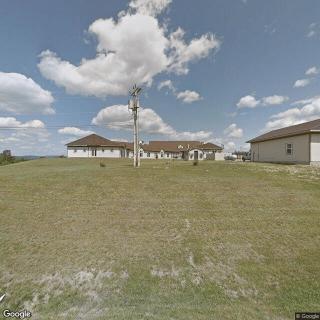
208 State Street, Van Buren, ME 04785
For more information about senior living options: (866) 208-4318
Overall Review of Borderview Rehabilitation & Living Center
Pros
 One.point is described as nice to work at, with good food and good care.
 - The staff are wonderful.
- The environment is clean, and the care is trusted.
- One.point offers good food and good care.
Cons
 The reviewer states that a CNA showed attitude and that administration threatened to arrest them and issued a restraining order; they plan to contact an attorney and will not pay the bill.
- The reviewer warns others not to bring loved ones, calling the facility a pit of doom, dirty with a gross smell and lazy staff, suggesting residents could be abused or starved.
- The reviewer claims the staff are not compassionate or attentive; residents are ignored or not properly cleaned, questions go unanswered, many staff are not trained for dementia or Alzheimer's patients, they talk badly about residents, and inter-staff communication is poor.
- The reviewer notes understaffing leading to limited attention to their wife, and that she often does not receive requested food, causing diabetes-related blood sugar fluctuations.
- The reviewer reports hygiene concerns, including finding a plastic bed pad inside the folds of their wife’s pannus and old barrier cream and powder left for weeks.
Review
Borderview Rehabilitation & Living Center in Van Buren, Maine is best suited for families who prize a clean, orderly environment and can commit to active advocacy and oversight. It may work for residents needing a moderate level of rehab and daily assistance, provided there is strong family involvement to monitor care and push for timely responses. Those comfortable with a mix of dependable moments and fluctuating staffing should expect workable days, but prepare for periods that demand vigilant attention from relatives or outside oversight.
On the upside, certain positives recur in the feedback. A clean facility and decent food quality appear consistently, and there are reports of staff who show genuine care and dedication on certain shifts. When the care team aligns and communication flows, residents can experience reliable meals, respectful treatment, and a sense of security. In short, some caregivers and moments demonstrate the competence and warmth needed for good daily life at the center.
Yet the drawbacks create a persistent risk landscape that families must weigh heavily. Understaffing surfaces across multiple reviews, leaving residents waiting for assistance, meals, or basic attention. Communication breakdowns and turnover undermine continuity, which is especially problematic for dementia or Alzheimer's care, where predictable routines and trained responses matter most. Several accounts describe rude or dismissive staff, a culture that seems to tolerate neglect, and instances where residents are left unattended for long stretches. There are serious allegations about conflict with family members and management’s heavy-handed responses, including threats of legal action, which erode trust in the ability to safeguard residents.
The core question becomes whether the strengths can offset the ongoing concerns. The clean environment, dependable meals on some days, and the presence of caring staff do provide value, but that value is conditional on a stable, responsive team and accountable leadership. When staffing is insufficient or inconsistent, the positives falter: meal service can become irregular, and attention to residents, especially those with cognitive impairments or complex medical needs, can slip. In practical terms, such a facility works best for families willing to remain actively involved, vocal about concerns, and prepared to intervene to ensure timely care and appropriate treatment.
For families weighing choices, this center warrants a cautious approach and a thorough vetting process. Alternatives should be considered for residents who require highly reliable staffing, stronger dementia care capabilities, or a culture of transparent accountability. Prospective movers should request current staffing levels, observe peak-hour interactions, and verify how concerns are addressed and documented. A prospective comparison should include talking directly with current residents and families about responsiveness, meal consistency, and the transparency of billing and care decisions. The goal is to identify a home where staffing stability, compassionate care on a consistent basis, and clear management processes align with resident needs.
In the end, Borderview presents a mixed portrait: solid cleanliness, reasonable meals, and some compassionate staff alongside chronic concerns about staffing, attention, and managerial responsiveness. It is not a first choice for anyone requiring rigorous, high-touch dementia support or for families unwilling to engage in ongoing oversight. If Borderview is selected, establish a proactive plan with a designated family liaison, concrete care goals, written response timelines, and a clear escalation path. With vigilant oversight and clear expectations, a resident can achieve acceptable safety and quality of care; without that framework, more consistently staffed and accountability-focused alternatives are the safer, more reliable path.
 53 resident community capacity
 Assisted Living
 Skilled Nursing Facility
 Air-conditioning
 Beauty salon
 Cable or satellite TV
 Computer center
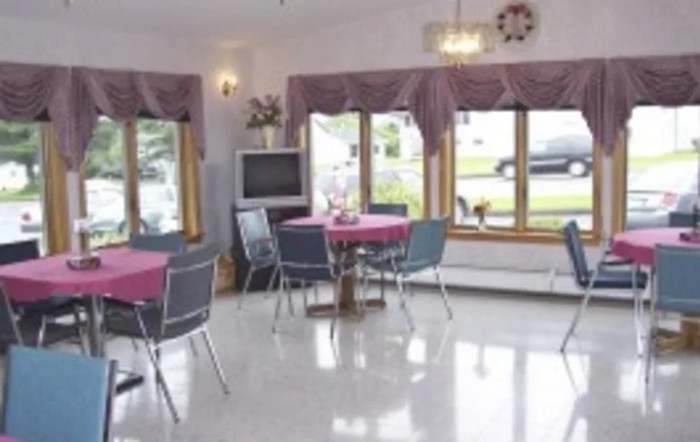
 Dining room
 Fitness room
 Fully furnished
 Gaming room
 Garden
 Housekeeping services
 Kitchenette
 Move-in coordination
 Outdoor space
 Private bathrooms
 Restaurant-style dining
 Small library
 Telephone
 Wellness center
 Wi-Fi/high-speed internet available
 Community operated transportation
 12-16 hour nursing
 24-hour call system
 Activities of daily living assistance
 Assistance with bathing
 Assistance with dressing
 Assistance with transfers
 Diabetes diet
 Medication management
 Mental wellness program
 Special dietary restrictions
 Concierge services
 Planned day trips
 Understanding Medicaid Coverage for Assisted Living: A Comprehensive Guide
 How and When Medicaid May Cover Assisted Living Costs
 A Detailed Exploration of Assisted Living Medicaid Waivers Across the United States