
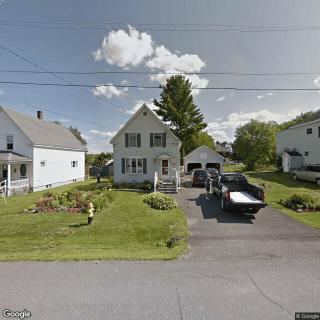
112 Lombard Street, Presque Isle, ME 04769
For more information about senior living options: (866) 208-4318
Overall Review of Lombard Street Waiver Home
Pros
 They love the apartment they are in.
- They describe PI Housing as a great place to live, with great people running it.
- They find the housing pretty quiet and decent, with great summer and winter maintenance.
- They note that the staff are good people.
- They acknowledge that PIHA staff care about providing safe, energy-efficient, affordable housing for local families, the elderly, and disabled, and that the housing is clean and affordable.
Cons
 They say renting is hard because tenants must be homeless or on a month-to-month lease.
- They view the Covid-19–related inspection policy as unfair.
- They feel they have no right to enter the office for anything.
- They worry that Covid-19 can be on shoes after walking through other apartments.
- They have medical issues that cause problems with the stairs.
Review
Lombard Street Waiver Home is best suited for couples or small households seeking affordable, reliable rental housing in Presque Isle, with a practical focus on quiet, well-maintained living and accessible staff. The community tends to attract residents who value energy efficiency, cleanliness, and predictable maintenance, all wrapped in a straightforward, low-key environment. It serves the elderly and disabled within its mission, and the sentiment from residents is that the operation is run by people who genuinely care about creating safe, affordable homes. For families prioritizing stability and a neighborly, no-frills atmosphere, this option checks the boxes that matter most: affordability, manageable upkeep, and a dependable, if modest, living experience.
Those who may want to consider alternatives fall into a few clear camps. First, anyone who needs standard, long-term lease terms rather than a month-to-month or homeless-based leasing approach will likely find the entry process opaque or restrictive here. Second, households that require readily accessible units, such as single-story living or elevator access, may find the current configuration less accommodating, especially if mobility is a concern. Finally, applicants who rely on uncomplicated in-person interactions with management for rental setup, inspections, or ongoing maintenance may encounter friction given the documented access policies. In short, the model works well for those who can navigate its unique leasing quirks and mobility realities, less so for those seeking conventional, turnkey terms.
On the positive side, the key advantages cohere into a compelling value proposition. The property is described as quiet, with dependable summer and winter maintenance that keeps units comfortable year-round. Residents repeatedly highlight the cleanliness and affordability of the housing, reinforcing an image of practical, low-stress living. The staff and management emerge as a real asset, characterized as caring and engaged with the goal of providing safe, energy-efficient homes for local families, the elderly, and disabled residents. In an environment where upkeep and reliability translate directly into daily peace of mind, these strengths are meaningful enough to justify choosing this community for those who fit the lease model and mobility profile.
Where the landscape darkens is in the leasing and access framework. The most persistent concern centers on the rental policy, which appears to restrict unit access to those who are homeless or who enter on a month-to-month basis. That approach creates a real hurdle for otherwise qualified applicants who seek longer-term stability and predictability. Mobility-related challenges compound this issue: a number of units can be difficult to navigate if stairs are an obstacle, and there is a perception that maintenance or office visits may be constrained by policies governing entry into apartments or offices during certain intervals. Taken together, these factors temper the otherwise solid package and push some buyers to look elsewhere if lease type and direct access matter most.
Nonetheless, the positive attributes can and do offset the main drawbacks for the right buyer. For seniors or families with limited budgets who can live with a flexible lease structure and the built-in realities of stair access, the promise of affordable, well-kept, energy-conscious housing under attentive management carries meaningful weight. Quiet surroundings and steady maintenance mean fewer daily headaches, and the community’s reputation for caring staff contributes to a sense of security and belonging that matters as living arrangements mature. When combined, these strengths render Lombard Street Waiver Home a strong candidate for those who plan around its unique terms rather than in spite of them.
In the end, a practical decision emerges: this community is a solid fit for those who value affordability, reliable upkeep, and a supportive management ethos, and who are comfortable with a nontraditional leasing pathway. Prospective residents should verify their preferred lease term, confirm the accessibility of preferred units, and inquire about how maintenance and inspections are handled within the policy framework. It is wise to compare with alternatives that offer standard long-term leases and guaranteed accessibility if those features are non-negotiable. For the right household, Lombard Street Waiver Home delivers practical housing that delivers steady comfort and a tangible sense of community; for others, it points toward communities with more conventional terms and easier entry.
 5 resident community capacity
 Assisted Living
 Cable or satellite TV
 Dining room
 Fully furnished
 Garden
 Housekeeping services
 Move-in coordination
 Outdoor space
 Telephone
 Wi-Fi/high-speed internet available
 24-hour supervision
 Activities of daily living assistance
 Assistance with bathing
 Assistance with dressing
 Assistance with transfers
 Diabetes diet
 Meal preparation and service
 Medication management
 Special dietary restrictions
 Transportation arrangement (medical)
 Transportation to doctors appointments


 When to Transition from Assisted Living to Memory Care: Key Indicators, Steps, and Finding the Right Community
 Assisted Living and Memory Care: Understanding Their Core Differences
 Beyond the Bingo Hall: 50+ Enriching Activities for Seniors in Assisted Living