
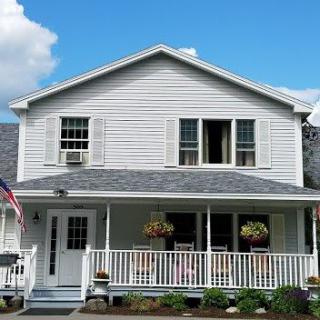
2522 Essex Street, Orono, ME 04473
For more information about senior living options: (866) 208-4318
Overall Review of Ohi - 2522 Essex
Pros
 The organization is a much-needed resource helping many people.
- OHI is a great organization that helps people in need every day.
- The staff are the most caring and compassionate individuals.
- They go above and beyond for all their clients.
- Loved ones are truly cared for.
- OHI is awesome.
Cons
 The care provided to the family member was not impressive; staff refused medical care for four days and made her do things she did not want to do, and things were looking grim.
- There were occasions when staff answered calls and hung up on callers.
Review
OHI in Orono is best suited for families seeking affordable, community-based supportive housing where Staff leadership and steady resident relationships matter most. The center’s value lies in a mission-driven environment that treats residents with care and offers a stable place to live over the long term. It resonates with households who prioritize emotional support, social connections, and a sense of belonging more than clinical perfection. Those considering OHI should plan to coordinate medical needs with external providers, because on-site medical oversight appears inconsistent. In short, this option serves as a solid fit for who wants a humane, community-anchored residence rather than a facility built chiefly on formal medical management.
Alternatives become worth exploring for families with higher expectations around medical responsiveness and administrative clarity. Facilities with on-site nursing, structured care plans, and more uniform oversight can better serve residents who require rapid medical decision-making or consistent, transparent communication with family members. If the top criteria are dependable healthcare, clear accountability, and a predictable care path, it is prudent to compare traditional assisted living settings or smaller, medically integrated options. Those with limited tolerance for variability in care quality should keep their options broad and request concrete service metrics before committing.
The strongest positives here center on the caregiving ethos and the human touch. Reviewers consistently describe staff as caring, compassionate, and genuinely devoted to residents’ well-being, with anecdotes of going above and beyond. The organization’s purpose, to assist people in need, shines through in how residents are treated day to day, yielding meaningful emotional support and a sense that “loved ones are valued.” For families seeking a home-like atmosphere, this warmth can translate into steadier daily routines, familiar faces, and a community where residents feel seen and attended to over time. These durable strengths can significantly enhance quality of life for those who thrive on personal connections.
Yet the downsides cannot be dismissed. Negative experiences touch on medical care, claims of delayed or refused treatment for a family member, and on communication gaps, including reports of unanswered calls or abrupt disengagement. The overall impression is a facility with uneven clinical responsiveness and variable communication reliability. Ratings reflect a mixed-to-challenging clinical picture: several high marks sit alongside recurrent concerns about how promptly medical needs are addressed and how information is conveyed back to families. In practice, this means risk of emotional distress during medical issues and potential frustration for families seeking timely updates.
The key question becomes whether the warm, community-oriented environment can offset the uneven medical oversight. For families willing to actively participate in care planning, monitor medical decisions, and establish direct points of contact, OHI’s strengths can translate into a supportive year-after-year living situation with meaningful social engagement. The emotional security of a stable community, coupled with staff who care deeply, can cushion some health-related uncertainties. However, for residents with fragile or rapidly changing medical conditions, or for those who require consistently transparent, quick-to-activate care decisions, the gaps in medical management may feel too consequential to overlook.
Bottom line: this community serves best those who value a humane, purpose-driven living environment and can supplement care with external medical oversight. It is less ideal for families needing guaranteed, on-site medical decision-making and flawless, always-on communication. Prospective residents should pursue a candid tour focused on current staffing levels, on-site nursing availability, care-planning processes, and a clear family communication protocol. If these elements align with the family’s needs, OHI offers a compelling, cost-conscious option with real warmth and community. If not, alternative settings with stronger clinical infrastructure will likely deliver more predictable peace of mind.
 2 resident community capacity
 Assisted Living
 Cable or satellite TV
 Dining room
 Fully furnished
 Garden
 Housekeeping services
 Move-in coordination
 Outdoor space
 Telephone
 Wi-Fi/high-speed internet available
 Bangor International (6 miles away)
 24-hour supervision
 Activities of daily living assistance
 Assistance with bathing
 Assistance with dressing
 Assistance with transfers
 Diabetes diet
 Meal preparation and service
 Medication management
 Special dietary restrictions
 Transportation arrangement (medical)
 Transportation to doctors appointments




 Is Assisted Living Deductible on Your Taxes? Understanding the Complexities of Assisted Living Expenses and Deductions
 Assisted Living Support for Veterans: A Complete and Detailed Overview
 Exploring the Contrasts Between Assisted Living and Skilled Nursing