
East Point in Machias, ME

Save

  • Interior

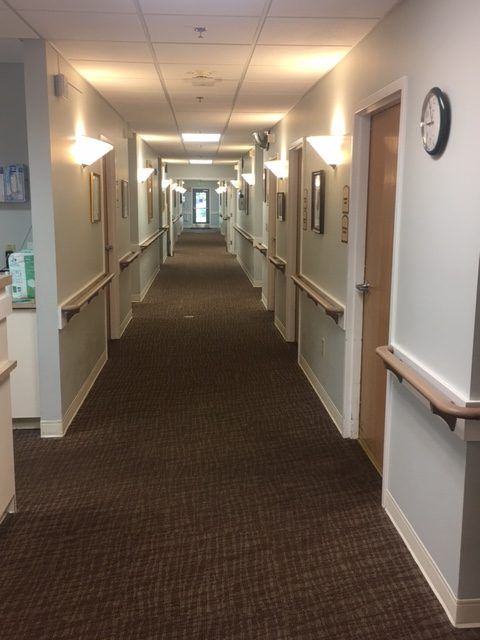
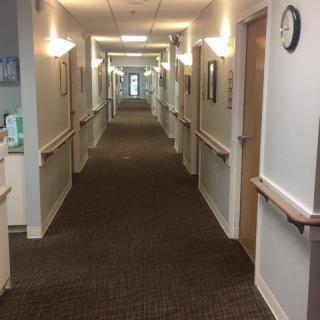
    A long, carpeted hallway with doors on either side and bright overhead lighting.
  • Decor

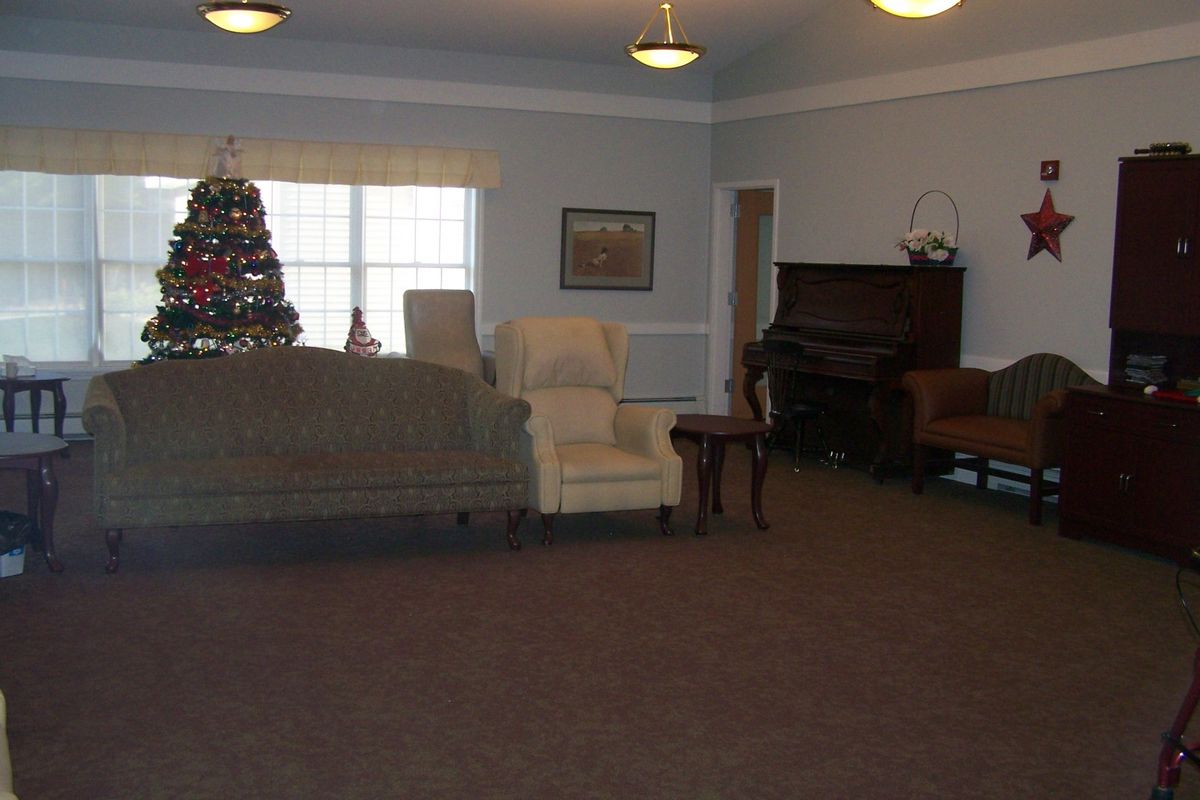
    A cozy living room with a sofa, chair, piano, and decorated Christmas tree.
  • Living Room

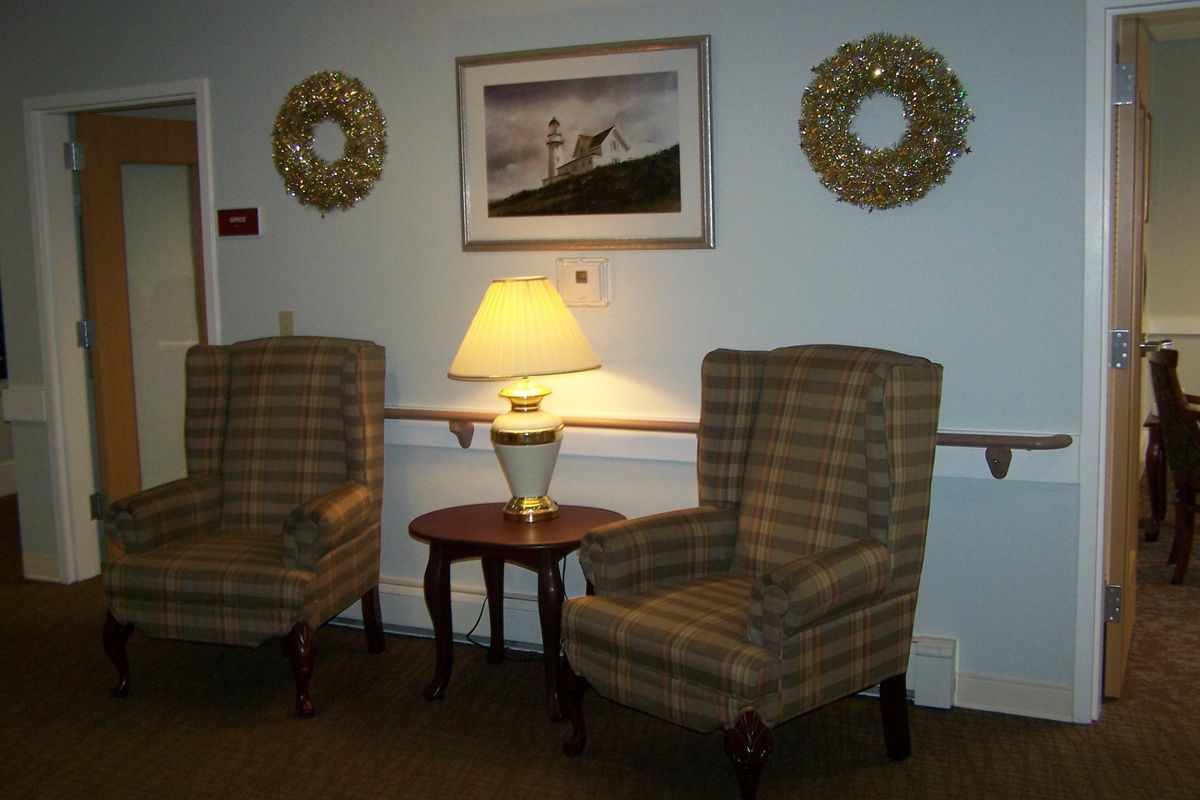
    A cozy seating area with two plaid chairs, a lamp on a small table, and decorative wall art with wreaths.
  • Building

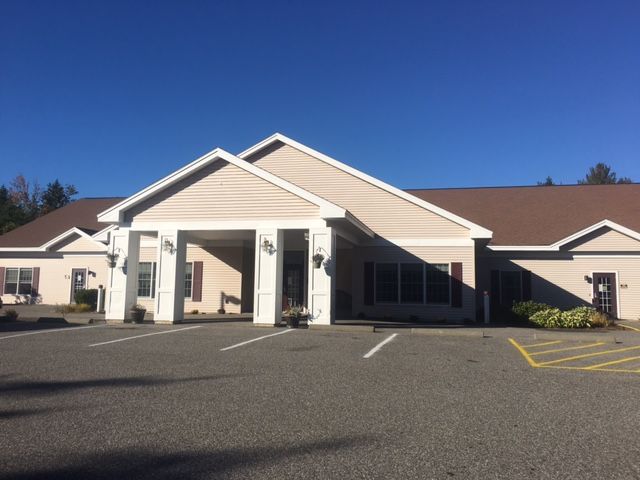
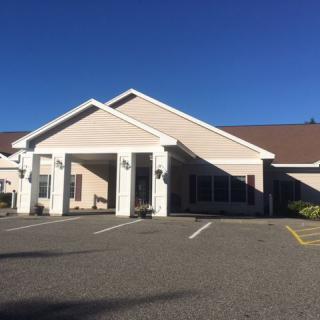
    A building with a peaked roof in a spacious parking lot under a clear blue sky.
  • Dining

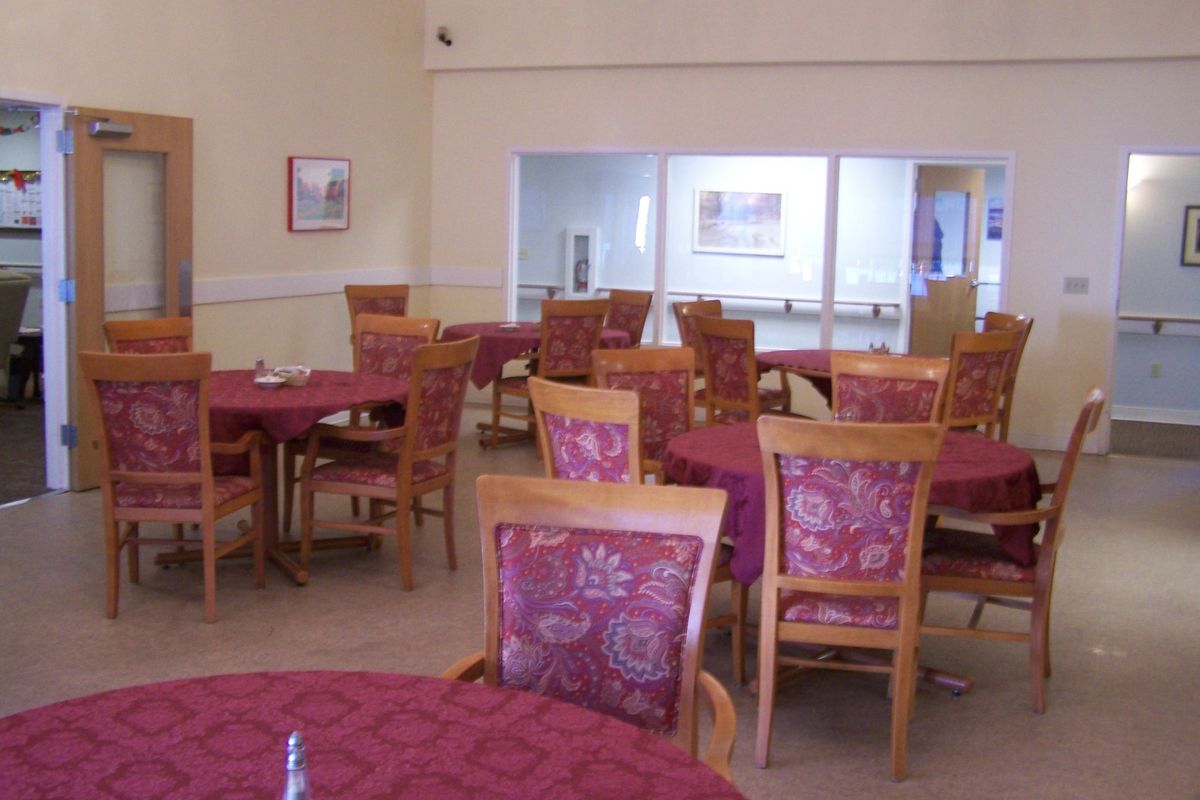
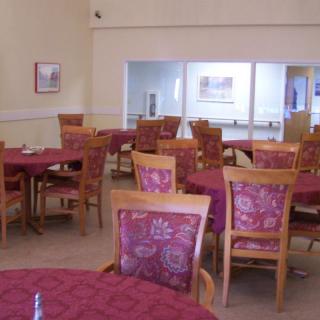
    An empty dining area with neatly arranged tables and chairs.
  • Library

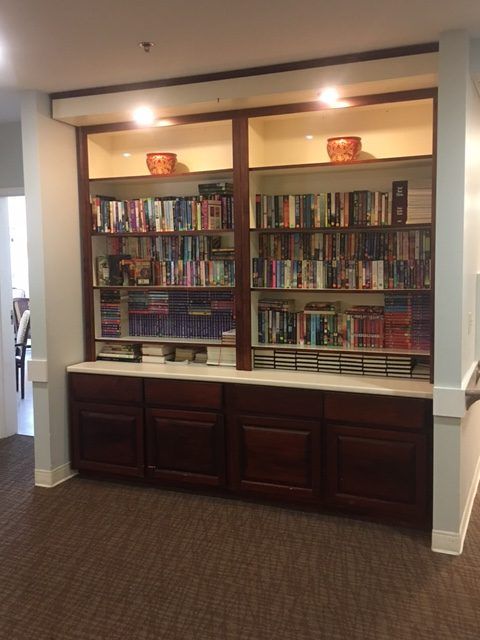
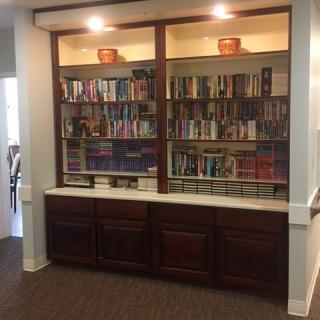
    A wooden bookshelf filled with various books in a well-lit room.

East Point in Machias, ME

96 Stackpole Road, Machias, ME 04654

For more information about senior living options: (844) 490-3973

2 from 2 reviews
Assisted Living

East Point Costs & Pricing

In East Point, the cost of a private room is set at $2,400 per month, which aligns with the pricing structure observed in Washington County. This presents a competitive advantage for East Point, as it offers the same quality of accommodation at a cost significantly lower than the $4,625 per month expected in other regions like Maine. Such pricing not only reflects local market conditions but also makes East Point an appealing option for individuals seeking comfortable living arrangements without straining their budgets compared to other areas within the state and beyond.

Floor plansEast PointWashington CountyMaine
Private$2,400$2,400$4,625

Overall Review of East Point

Pros

  • pro They offer a lot of activities.
  • pro They try to work with families to get him out there for socializing.
  • pro The father has a private room.
  • pro They are good.
  • pro The food seems fine.

Cons

  • pro The facility's administrator took him to a larger hospital 90 miles away, gave him his walker, told him to get out of the car, and left him there in the emergency room.
  • pro The facility refuses to allow him to return as a resident.
  • pro Some of the friend's clothing, which had been purchased, is missing and some of it is very soiled and dirty.
  • pro The administrator and the facility should be fined and lose their professional licenses to operate.
  • pro Anyone with a family member at this facility should pay close attention to their care.
  • pro The reviewer would not recommend this facility to anyone.
  • pro The resident is not self-motivated to participate in activities offered by the facility.
  • pro If not checked on daily, the resident tends to stay in his room.
  • pro The resident does not join in the activities.

Review

East Point in Machias, Maine is best suited for seniors who want a compact, self-contained setting where supervision is readily visible and daily life centers in a single building. The arrangement works best for residents who need steady oversight rather than complex medical care or specialized memory services, and for families that prefer hands-on involvement with a smaller community. It is not pitched as a modern resort or a high-activity, memory-focused campus; rather, it operates more like a small-scale, supervised living environment where staff can monitor routines closely. For those seeking a facility with expansive programming, robust clinical support, or a broader social calendar, alternatives should be on the table.

One review raises a deeply troubling red flag about governance and safety. It describes an incident where a resident, described as mentally incapacitated, was taken to a hospital and allegedly abandoned there by the administrator, then refused readmission and had belongings disappear. Even if never independently verified, the allegations signal that leadership accountability and risk management may be seriously lacking. Families with safety as a top priority should treat such reports as a clear invitation to scrutinize licensing history, incident-response policies, and resident-rights protections before placing a loved one.

On the positive side, the facility appears to deliver some reassuring elements. A second reviewer notes that a private room is available in a contained building, which can reduce exposure to a crowded campus and offer quieter living. They describe staff as cooperative with families and willing to intervene to encourage social participation, including attempts to move residents to dining rooms and organized activities. The food is described as acceptable, and there is an expectation of a schedule of activities, even if participation hinges on resident motivation. Those practical touches matter for families seeking predictable routines and reliable daily structures.

Yet these strengths do not fully offset the core concerns. The building's contained, single-building format can feel like a nursing-home environment rather than a true assisted-living campus with varied amenities and options. A resident who is not self-motivated or who resists participation may end up spending long periods alone in a room, despite staff efforts to engage. For families with loved ones who require more dynamic programming, greater peer interaction, or ongoing cognitive support, East Point's model may feel restrictive and insufficient.

With only two options in the area, families must weigh trade-offs carefully. The other nearby option is a facility described as more nursing-home in character, which may be preferable for residents needing stronger clinical oversight but may also lessen opportunities for independence-free programming. The limited choice heightens the importance of visiting, meeting with administration, and testing whether the resident's needs align with what East Point can realistically deliver. The mixed review history - one serious concern and one cautiously positive impression - means no decision should be made without direct, thorough evaluation.

Practical next steps are clear. Conduct in-person tours with a targeted checklist: safety protocols and incident response, staff-to-resident ratios during different shifts, memory-care capabilities if relevant, and flexibility to adapt to changing needs. Request recent licensing records and references, view sample menus, and observe activity pacing to gauge engagement potential. If safety, accountability, or robust engagement are top priorities, alternatives should be seriously explored; East Point may fit a specific, small-window need, but families should not rely on it as a default choice without rigorous vetting and clear assurances.

Features

Housing

  • 37 resident community capacity 37 resident community capacity

Types of Care

  • Assisted Living Assisted LivingAssisted living facilities provide crucial support and care for seniors who may need help with daily tasks such as medication management, bathing, and meal preparation. These communities offer a safe and comfortable environment where seniors can maintain their independence while receiving the assistance they need to thrive in their golden years.

Amenities

  • Beauty salon Beauty salonBeauty salons are important for seniors because they provide a space for them to feel pampered, socialize, and maintain their personal grooming and hygiene. Regular visits to a beauty salon can help boost seniors' self-esteem and overall well-being.
  • Cable or satellite TV Cable or satellite TVCable or satellite TV is important for seniors because it provides entertainment, news, and companionship, helping to combat loneliness and boredom. It also offers a wide range of programming options tailored to different interests and preferences.
  • Dining room Dining roomDining rooms are important for seniors as they provide a space for socialization, connection, and nutritious meals. They offer opportunities for residents to bond over shared meals, foster a sense of community, and promote healthy eating habits. Dining rooms also ensure that seniors have access to well-balanced meals tailored to their dietary needs and preferences.
  • Fully furnished Fully furnishedFully furnished senior living communities are important for seniors because they provide convenience, comfort, and a hassle-free moving experience. Seniors can easily settle into their new living space without the stress of having to buy and move furniture. This allows them to focus on enjoying their new home and community.
  • Garden GardenGardens are important for seniors as they provide a peaceful and therapeutic environment for relaxation, physical activity, and socialization. Being in nature has been shown to reduce stress, improve mood, and promote overall well-being. Gardens also offer opportunities for seniors to engage in gardening activities, which can improve mobility, flexibility, and cognitive function. Additionally, gardens create a sense of community and connection with others who share a passion for plants and outdoor spaces.
  • Housekeeping services Housekeeping servicesHousekeeping services are important for seniors because they help maintain a clean and safe living environment, promote independence, and reduce the risk of accidents or illnesses. Additionally, having assistance with household chores can alleviate physical strain and allow seniors to focus on other aspects of their well-being.
  • Kitchenette KitchenetteKitchenettes are important for seniors living in senior living communities because they provide the convenience and independence of being able to prepare simple meals and snacks in the comfort of their own living space. This can help promote a sense of autonomy and well-being for seniors, allowing them to maintain some level of control over their dietary choices and daily routines.
  • Move-in coordination Move-in coordinationMove-in coordination is important for seniors because it helps ease the transition into their new living environment. It ensures that all logistics, such as packing, organizing movers, and setting up utilities are taken care of, allowing seniors to focus on settling in and adjusting to their new home. Having a smooth move-in process can alleviate stress and anxiety, making the transition smoother and more enjoyable for seniors.
  • Outdoor space Outdoor spaceOutdoor spaces are important for seniors as they provide opportunities for physical activity, social interaction, exposure to natural light and fresh air, and a sense of connection to nature. Having access to outdoor spaces can improve overall well-being and quality of life for older adults living in senior communities.
  • Restaurant-style dining Restaurant-style diningRestaurant-style dining is important for seniors because it allows them to enjoy delicious, nutritious meals in a social and upscale setting. This enhances their dining experience, promotes healthy eating habits, and fosters socialization with fellow residents, ultimately contributing to their overall well-being and quality of life.
  • Small library Small librarySmall libraries are important for seniors as they provide access to a variety of reading materials, including books, newspapers, and magazines. This can help stimulate their minds, keep them engaged, and provide a sense of community through book clubs and other social activities. Additionally, reading has been shown to improve cognitive function and overall mental well-being in older adults.
  • Telephone TelephoneTelephones are important for seniors as they provide a lifeline for communication with loved ones, emergency services, and healthcare providers. They offer a sense of security and independence, enabling seniors to stay connected and access assistance when needed.
  • Wi-Fi/high-speed internet available Wi-Fi/high-speed internet availableWi-Fi/high-speed internet is important for seniors to stay connected with loved ones, access online resources, and participate in virtual activities to combat feelings of loneliness and isolation. It also allows them to easily manage healthcare needs, access entertainment, and engage in lifelong learning opportunities.

Care Services

  • 24-hour call system 24-hour call system24-hour call systems are important for seniors because they provide peace of mind and immediate assistance in case of emergencies. This technology ensures that help is always available, promoting safety and security for elderly individuals living alone or in assisted living facilities.
  • 24-hour supervision 24-hour supervision24-hour supervision is important for seniors to ensure their safety, well-being, and access to immediate assistance in case of emergencies or health issues. This constant support provides peace of mind for both seniors and their loved ones, allowing them to age in place with dignity and security.
  • Activities of daily living assistance Activities of daily living assistanceActivities of daily living assistance are important for seniors because they provide essential support with tasks such as eating, bathing, dressing, and mobility. This assistance helps seniors maintain their independence, dignity, and overall quality of life as they age.
  • Assistance with bathing Assistance with bathingAssistance with bathing is crucial for seniors as it helps maintain personal hygiene, prevents infections, and ensures their overall well-being and comfort. It also provides a sense of dignity and independence for seniors who may struggle with this task on their own.
  • Assistance with dressing Assistance with dressingAssistance with dressing is important for seniors because it helps maintain their independence, promotes personal hygiene, prevents accidents and injuries, and improves overall quality of life. This service ensures that seniors can continue to dress comfortably and confidently, despite any physical limitations they may have.
  • Assistance with transfers Assistance with transfersAssistance with transfers is crucial for seniors as it helps prevent falls and injuries, maintains their independence, and ensures they can safely navigate their living environment. It also provides peace of mind for both seniors and their loved ones.
  • Diabetes diet Diabetes dietA diabetes diet is crucial for seniors as it helps manage blood sugar levels, reduce risks of complications, and improve overall health and well-being. By following a balanced and nutritious diet tailored to their specific needs, seniors can better control their diabetes and enhance their quality of life.
  • Meal preparation and service Meal preparation and serviceMeal preparation and service are crucial for seniors as they may have limited mobility or energy to cook nutritious meals. Having access to healthy and convenient food options can ensure they are getting the proper nutrition needed to maintain their overall health and well-being.
  • Medication management Medication managementMedication management is crucial for seniors to ensure they are taking the right medications at the correct dosages and times. This helps prevent adverse drug interactions, reduces the risk of medication errors, and promotes overall health and well-being. Proactive management also allows for adjustments as needed based on changing health conditions or new prescriptions.
  • Mental wellness program Mental wellness programMental wellness programs are essential for seniors as they promote cognitive stimulation, emotional support, and social engagement. These programs help prevent isolation, depression, and cognitive decline, ultimately enhancing the overall quality of life for older adults.
  • Special dietary restrictions Special dietary restrictionsSpecial dietary restrictions are important for seniors because age-related changes in metabolism and health conditions can make it difficult for their bodies to process certain foods. By following a diet tailored to their specific needs, seniors can maintain their overall health and well-being, manage chronic conditions, and reduce the risk of complications such as malnutrition or food interactions with medications.

Dining

  • Diabetes diet Diabetes dietA diabetes diet is crucial for seniors as it helps manage blood sugar levels, reduce risks of complications, and improve overall health and well-being. By following a balanced and nutritious diet tailored to their specific needs, seniors can better control their diabetes and enhance their quality of life.
  • Special dietary restrictions Special dietary restrictionsSpecial dietary restrictions are important for seniors because age-related changes in metabolism and health conditions can make it difficult for their bodies to process certain foods. By following a diet tailored to their specific needs, seniors can maintain their overall health and well-being, manage chronic conditions, and reduce the risk of complications such as malnutrition or food interactions with medications.

Activities

  • Community-sponsored activities Community-sponsored activitiesCommunity-sponsored activities are important for seniors as they provide opportunities for social interaction, mental stimulation, and physical activity. These activities can help improve overall well-being, combat loneliness and isolation, and promote a sense of belonging and purpose among older adults.
  • Resident-run activities Resident-run activitiesResident-run activities are important for seniors as they encourage social interaction, creativity, and a sense of autonomy. These activities empower seniors to stay engaged and active in their community while fostering meaningful connections with their peers.
  • Scheduled daily activities Scheduled daily activitiesScheduled daily activities are important for seniors because they provide structure, socialization, mental stimulation, and physical activity. Engaging in regular activities can improve overall well-being and quality of life for seniors living in a community setting.

Description

East Point in Machias, ME is a fully furnished assisted living community that offers a range of amenities and care services to ensure the comfort and well-being of its residents. The community provides spacious accommodations with cable or satellite TV, Wi-Fi/high-speed internet, and a kitchenette for convenience. Additionally, residents can enjoy the beautiful outdoor spaces and take part in resident-run activities or scheduled daily activities.

East Point also prioritizes the health and safety of its residents by offering various care services. With 24-hour supervision and assistance with activities of daily living, residents can feel secure knowing there is always someone available to help if needed. The dedicated staff is trained to provide assistance with bathing, dressing, transfers, and medication management. Special dietary restrictions are accommodated through diabetes diet options and specialized meal preparation and service.

The community is conveniently located near two cafes, four parks, four pharmacies, six physicians' offices, 11 restaurants, two transportation options, and nine places of worship. This allows residents easy access to additional services and opportunities for socialization.

At East Point in Machias, ME, seniors can enjoy a comfortable assisted living experience surrounded by caring staff members who prioritize their well-being.

Nearby Places of Interest

Parks

  • Bad Little Falls Park (0.4 miles)
  • Middle River Park (0.5 miles)
  • Middle River Park (0.7 miles)
  • Bad Little Falls (2.9 miles)
  • Roque Bluffs State Park (7.2 miles)
  • Reversing Falls Park (22 miles)
  • Cross Island National Wildlife (24.2 miles)

Physicians

  • Machias Family Practice (0.4 miles)
  • East Port Health Care (0.5 miles)
  • Regional Medical Center At Lubec (0.7 miles)
  • Reid Emery Medical Building (1 miles)
  • Down East Community Hospital (1.3 miles)
  • Pediatric Physician Practice (1.3 miles)
  • Arnold Memorial Medical Center PA (13.5 miles)

Places of Worship

  • St Aidan's Episcopal Mission (0.5 miles)
  • Downeast Baptist Church (0.5 miles)
  • Centre Street Congregational Church (0.6 miles)
  • Holy Name Church Rectory (0.6 miles)
  • Machias Valley Baptist Church (0.7 miles)
  • Holy Name Catholic Church (0.7 miles)
  • Community of Christ Church (0.8 miles)

Transportation

  • Take Flight Aero (0.5 miles)
  • Machias Valley Airport (0.6 miles)
  • U-Haul Moving & Storage (13.5 miles)
  • U-Haul Neighborhood Dealer (16.8 miles)

Restaurants

  • Hing Garden (0.6 miles)
  • Thirsty Moose Cafe (0.6 miles)
  • Blue Bird Ranch (0.6 miles)
  • Jo's World Famous Schnitzel Wagon (0.6 miles)
  • Jo's World Famous Schnitzel Wagon (0.6 miles)
  • Rivers Edge Drive In (0.6 miles)
  • Hing Garden (0.6 miles)

Cafes

  • Obadiah's Bohemian Cafe (0.6 miles)
  • Obadiah's Bohemian Cafe, Books and Antiques (0.7 miles)
  • Columbia Falls General (14.3 miles)
  • The Paisley Loon (24.6 miles)
  • North Street Cafe (24.8 miles)

Pharmacies

  • Walgreens (0.7 miles)
  • Hannaford Pharmacy (0.8 miles)
  • Machias Family First (1 miles)
  • Machias Friendly Pharmacy (1 miles)
  • Milbridge Pharmacy (24.3 miles)

Theaters

  • Milbridge Theatre (24.3 miles)

Frequently Asked Questions

How much does it cost to live at East Point in Machias, ME?
Where is East Point?
What photos are available for East Point in Machias, Maine?

Nearby Communities

  • Machias Boarding Home

    Machias Boarding Home

    Machias, ME

    4.8 from 4 reviews
     

    pro Small, intimate setting with personalized care and coordinated medical transport.

  • Marshall Manor

    Marshall Manor

    Machias, ME


    pro Great access to healthcare, dining, parks, and worship.

  • Marshall Health Care And Rehab

    Marshall Health Care And Rehab

    Machias, ME

    3 from 2 reviews
     

    pro Extensive on-site amenities and services.

  • Neighborhood Residential

    Neighborhood Residential

    Marshfield, ME


    pro Comprehensive care with 24-hour supervision, meals, housekeeping, and healthcare coordination in a fully furnished setting.

  • Maine Veterans' Home - Machias

    Maine Veterans' Home - Machias

    Machias, ME

    4.8 from 4 reviews
     

    pro Veteran-focused assisted living with 24/7 supervision and comprehensive ADL support.

  • Mainestays At Flower Cottage

    Mainestays At Flower Cottage

    Machias, ME


    pro Warm, welcoming assisted living with personalized diabetic care and on-site activities.

Related Resources

  • when to move from assisted living to memory careWhen to Transition from Assisted Living to Memory Care: Key Indicators, Steps, and Finding the Right Community

    Transitioning from assisted living to memory care is driven by an individual's cognitive decline and specific needs, requiring careful evaluation of indicators like increased confusion and wandering. The process involves consulting medical professionals, researching suitable communities, considering financial and legal aspects, and ensuring effective communication for personalized care plans.

  • assisted living vs memory careAssisted Living and Memory Care: Understanding Their Core Differences

    Assisted living provides moderate support for seniors seeking independence, while memory care offers specialized support for individuals with dementia or cognitive impairments through structured routines and trained staff. Key differences include care approaches, environment security measures, staff training levels, activity types, and cost considerations.

  • assisted living activitiesBeyond the Bingo Hall: 50+ Enriching Activities for Seniors in Assisted Living
    Assisted living communities offer diverse activities beyond traditional games to enhance seniors' physical health, cognitive well-being, emotional enrichment, and social connections, including fitness classes, creative expression, and intergenerational interactions. These enriching programs foster community bonds and support residents' independence and happiness.