Woodlands Memory Care Of Lewiston

Save

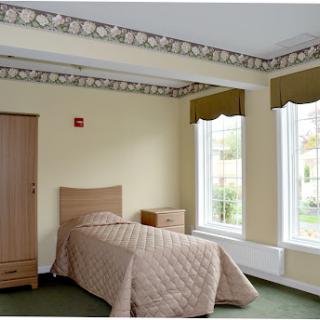
  • Interior

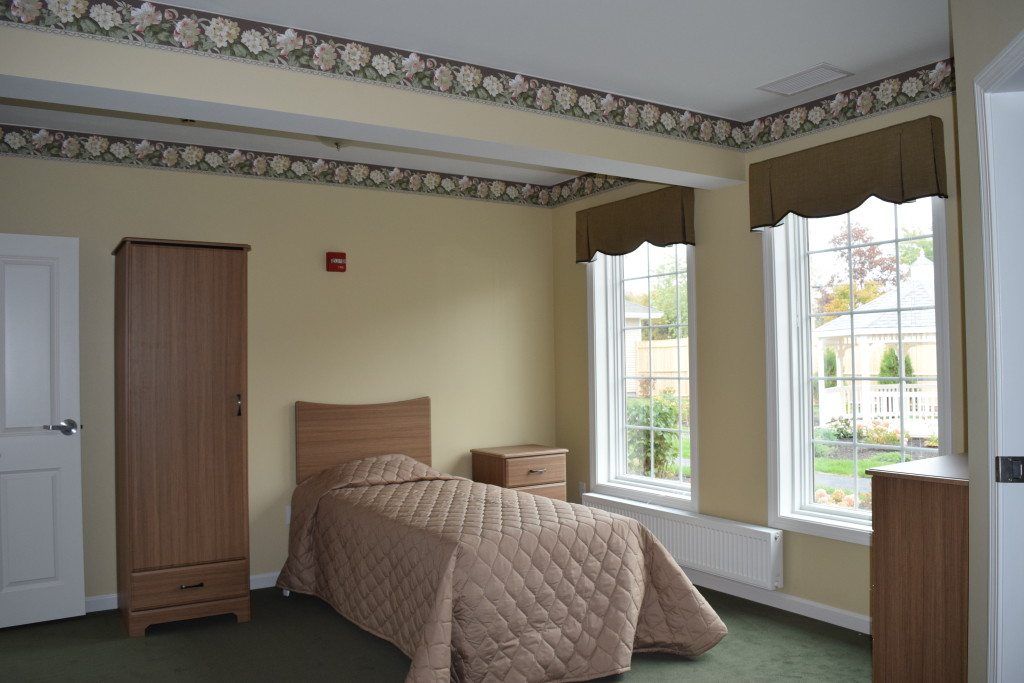
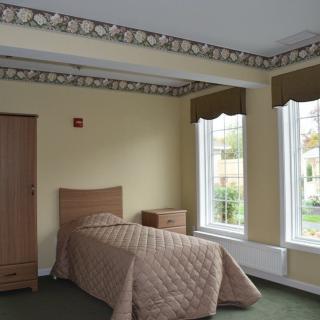
    A simple bedroom with a single bed, wardrobe, and large windows.
  • Outdoors

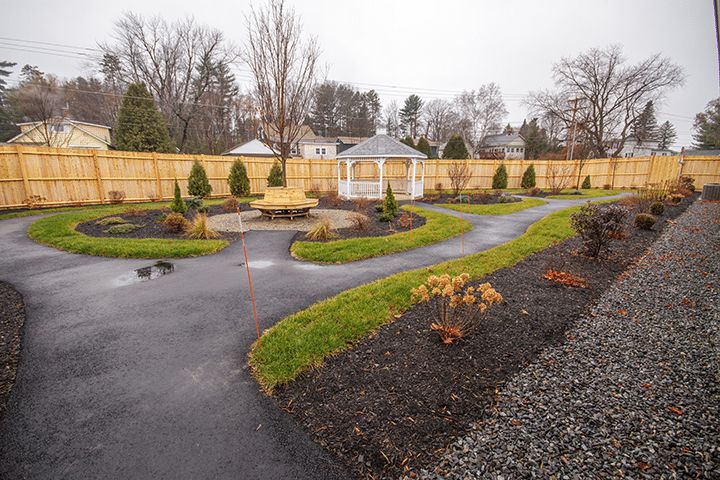
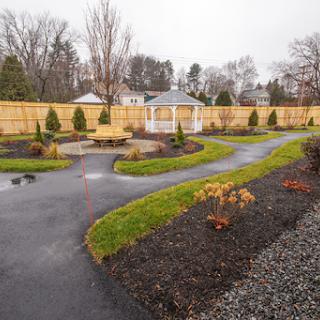
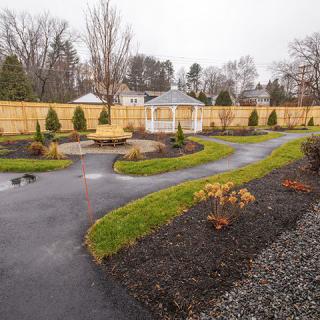
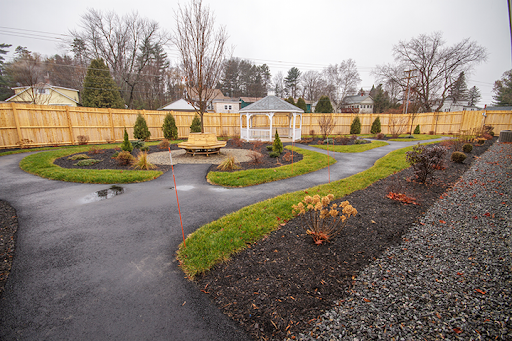
    A serene garden landscape featuring a winding pathway surrounded by neatly trimmed shrubs and decorative elements.
  • Decor

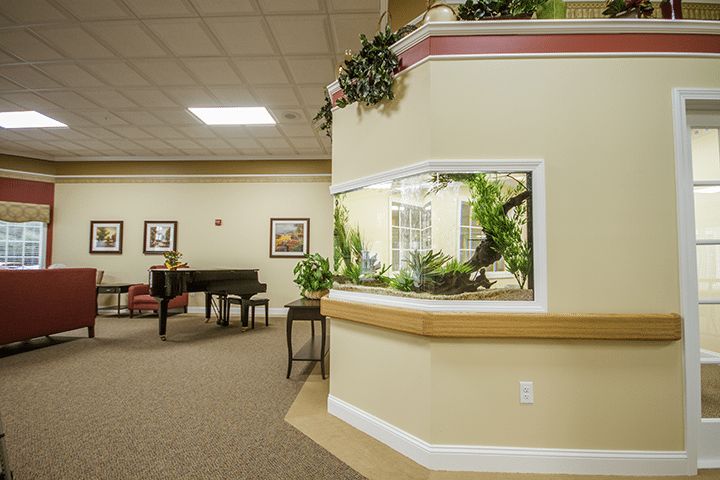
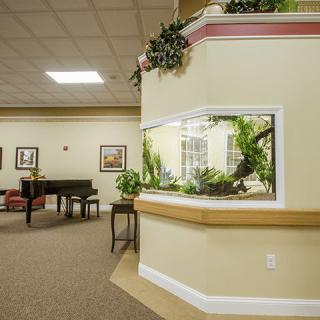
    A spacious room featuring an aquarium embedded in a corner wall and a grand piano in the background.
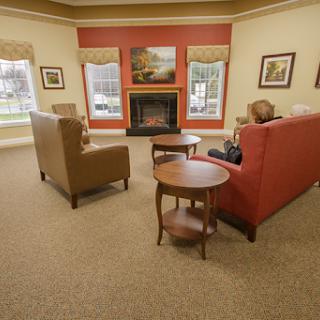
  • Living Room

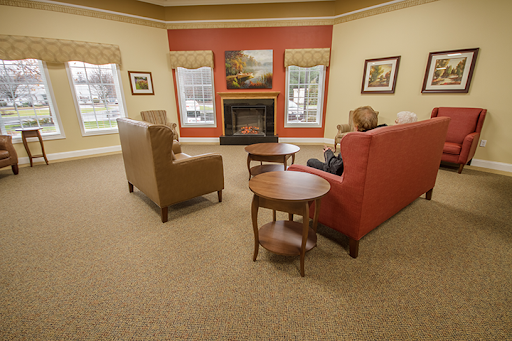
    A cozy living room featuring comfortable seating arrangements and a warm fireplace.
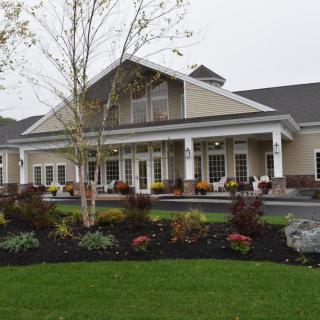
  • Building

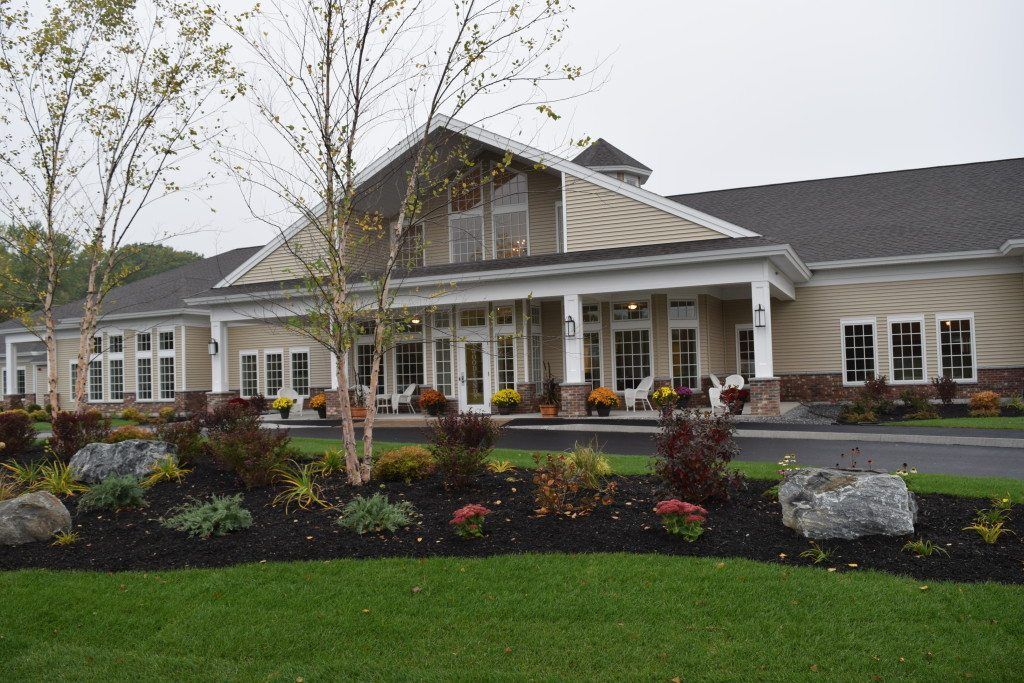
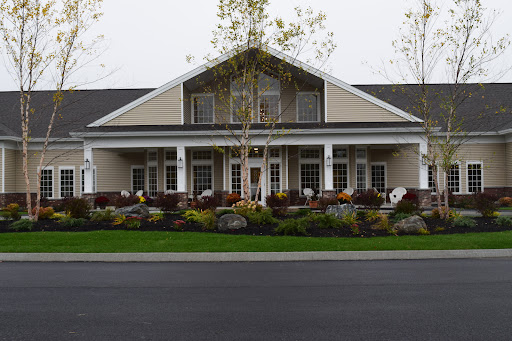
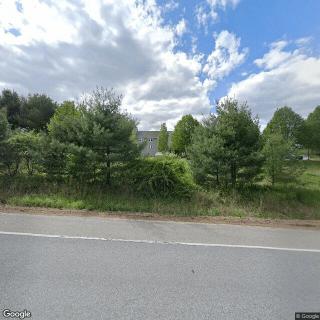
    A well-landscaped building with a spacious front yard.
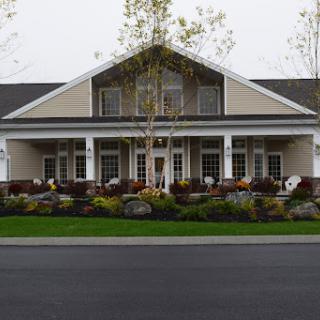
  • Architecture

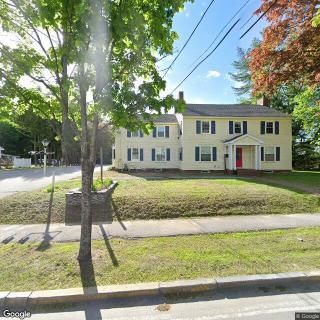
    A beautifully landscaped residential home featuring a welcoming entrance.
  • Bedroom

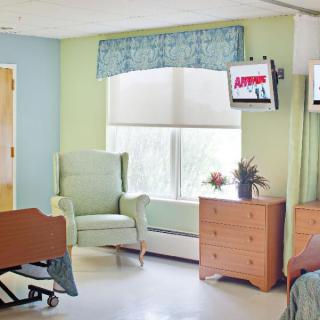
    A cozy bedroom featuring a single bed, a nightstand, and large windows with drapes.
  • Trees

    A serene garden with a winding pathway leading to a gazebo, surrounded by neatly landscaped shrubs and trees.
  • Dining

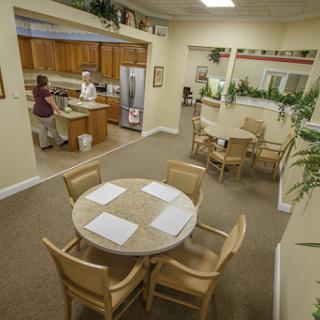
    A spacious kitchen and dining area designed for communal gatherings.
  • Landscaping

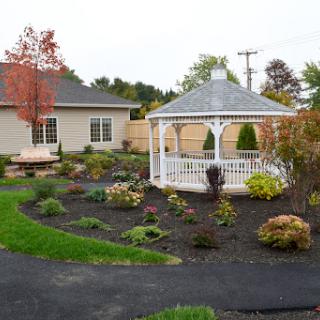
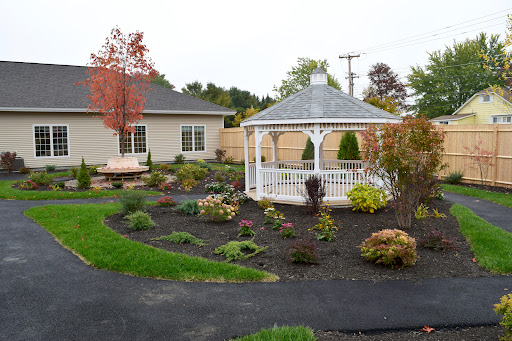
    A serene garden featuring a charming gazebo surrounded by colorful landscaping.
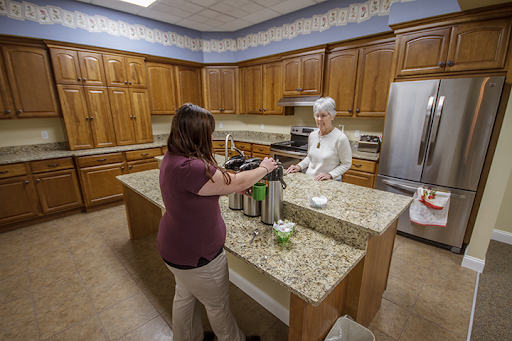
  • Kitchen

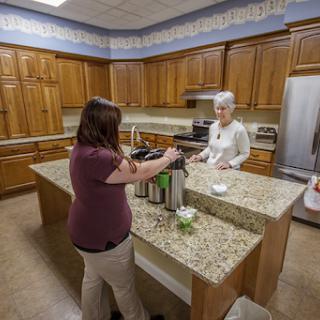
    Two individuals preparing beverages in a modern kitchen setting.
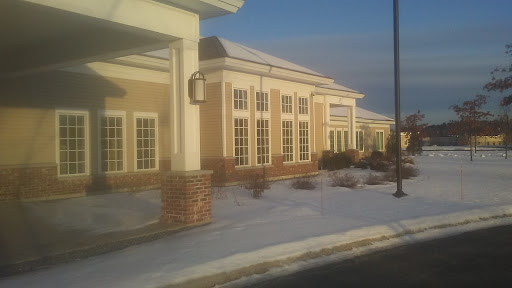
  • Exterior

    A well-lit building exterior with snow covering the ground in a winter setting.
  • Healthcare

    Sign for Woodlands Memory Care facility, surrounded by snow.
  • Parking

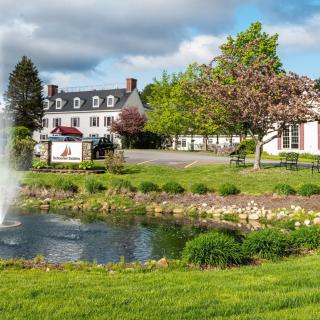
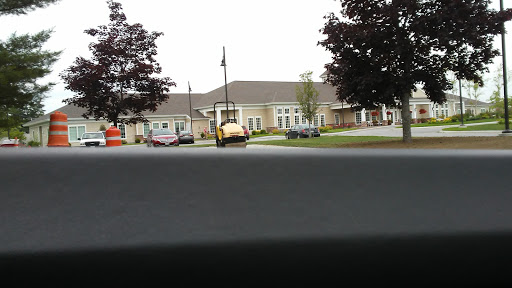
    A cloudy day view of a building with vehicles parked in front.

Woodlands Memory Care Of Lewiston

45 Mollison Way, Lewiston, ME 04240

For more information about senior living options: (844) 490-3973

3.1 from 28 reviews
5 stars
11
4 stars
3
3 stars
2
2 stars
1
1 stars
11

Assisted Living Memory Care

Overall Review of Woodlands Memory Care Of Lewiston

Pros

  • pro The staff are angels and kind.
  • pro The administrator is compassionate and engaged with residents.
  • pro The facility feels warm and homey.
  • pro The staff are brilliant, wonderful, and caring.
  • pro The facility is clean and the energy is positive.
  • pro The memory care program includes engaging amenities like an arts and crafts room, a piano, and a garden.
  • pro The meals are delicious and nutritious, prepared by a dedicated cooking staff.
  • pro The staff provide dignity, respect, and individualized care.

Cons

  • pro The administrator is extremely unprofessional.
  • pro There is a chronic lack of communication, and residents' families must advocate for their loved ones.
  • pro The facility is described as a scam and appears deceptive.
  • pro The environment is toxic, with gaslighting and disrespect toward residents.
  • pro There is essentially no care and almost no staff; there is a smell of old urine and possible bedbugs or fleas; surfaces are never wiped down.
  • pro Ownership underpays staff and the facility is chronically short-staffed, leading to poor care.
  • pro Residents often have to wait to be dressed due to staff shortages, and some are left in nightgowns or soiled.
  • pro There are no outings or outside activities; no van for rides.

Review

Woodlands Memory Care of Lewiston is best suited for families seeking a dementia-focused, home-like environment where dedicated floor staff provide personal, face-to-face care and where residents benefit from a modern, roomy unit with visible amenities. This community can work well for those who value warmth, visibility of caregivers, and programs that create a lived-in, comforting atmosphere. The strongest draw is the ongoing, compassionate care from many direct-care professionals and a facility layout that feels spacious and welcoming. Potential residents are best served by those who can tolerate some administrative rough edges while prioritizing daily interactions with caregivers who genuinely connect with residents.

What stands out in the positives are the hands-on caregivers and the resident-centered routines. Reviews repeatedly praise staff on the floor for their dedication and kindness, and many accounts highlight specific staff members who go the extra mile. The unit itself is described as modern and welcoming, with amenities such as courtyards, an arts and crafts room, a dedicated teaching space, a piano program, and a garden that give residents meaningful options for engagement. Cleanliness is noted by several visitors, and the cooking and general food quality receive commendations from family members who see the meals as a daily bright spot. In several testimonials, administrators and station leaders are described as compassionate and actively engaged with residents, which helps create a sense of safety and home.

Yet the weight of the cons cannot be ignored, and they undermine the stronger aspects. A recurring theme is understaffing, with families reporting that there are not enough aides to attend to every resident promptly, leading to delays in dressing, basic personal care, and other essential tasks. Communication gaps between upper management and frontline staff are repeatedly cited, sometimes with a sense that information does not flow efficiently or that issues get "lost" at higher levels. Other red flags include reports of odors or cleanliness concerns observed by visitors, and some alarming accounts of minimal direct care paired with comments about high monthly fees not clearly tied to the level of care received. A subset of reviewers expresses distrust of management, calling attention to perceived neglect and inconsistent follow-through.

These mixed conditions mean the key advantages can offset some risks, but only to a point. The warmth and competence of frontline caregivers offset the reality that staffing levels and administrative responsiveness can lag, creating inconsistent experiences across shifts. The home-like atmosphere and strong direct-care relationships are meaningful protections for residents with dementia, yet the drawbacks - especially understaffing, variable leadership communication, and concerns about the effective use of monthly fees - limit assurance about predictable, high-level oversight. For families requiring robust medical coordination, frequent outings, or a tightly run administrative machine, these gaps may loom large enough to consider alternatives.

Alternatives become worth weighing for anyone who prioritizes consistent administrative communication, scheduled outings, and a guaranteed staff-to-resident ratio. Other memory care communities with stronger documented staffing, clearer care-planning processes, and more transparent cost allocations may offer greater peace of mind for families navigating daily care decisions. Prospective residents should demand specific answers: staffing ratios by shift, how care plans are updated and shared, how outings are organized, and what assurances exist about cost allocations toward actual resident care. Visiting at various times, speaking with different caregivers, and requesting written policies can help validate whether Woodlands can meet expectations or if another option will deliver more predictable, sustained outcomes.

In sum, Woodlands Memory Care of Lewiston presents a compelling choice for families who prize a warm, resident-centered environment and can actively partner with the staff to ensure care quality. It works best when expectations align with a responsive floor team and a homelike setting that supports daily living with dignity. However, for those who must have consistent administrative cohesion, robust staffing across all shifts, and a clear, outcome-driven use of fees, alternatives deserve serious consideration. The community can be a good fit for a carefully matched resident - one whose family is prepared to stay engaged, ask the hard questions, and advocate for ongoing improvements.

Features

Housing

  • 64 resident community capacity 64 resident community capacity

Types of Care

  • Assisted Living Assisted LivingAssisted living facilities provide crucial support and care for seniors who may need help with daily tasks such as medication management, bathing, and meal preparation. These communities offer a safe and comfortable environment where seniors can maintain their independence while receiving the assistance they need to thrive in their golden years.
  • Memory Care Memory CareMemory care is crucial for seniors as it provides specialized support and services for individuals with dementia or Alzheimer's disease. These programs offer a safe and secure environment where residents receive personalized care, cognitive stimulation, and help with daily activities. Memory care helps seniors maintain their independence, quality of life, and dignity while also providing peace of mind for their families.

Amenities

  • Air-conditioning Air-conditioningAir conditioning is important for seniors as they are more vulnerable to heat-related illnesses and may have underlying health conditions that make it difficult for them to regulate their body temperature. It helps to keep them comfortable, safe, and healthy in hot weather.
  • Beauty salon Beauty salonBeauty salons are important for seniors because they provide a space for them to feel pampered, socialize, and maintain their personal grooming and hygiene. Regular visits to a beauty salon can help boost seniors' self-esteem and overall well-being.
  • Cable or satellite TV Cable or satellite TVCable or satellite TV is important for seniors because it provides entertainment, news, and companionship, helping to combat loneliness and boredom. It also offers a wide range of programming options tailored to different interests and preferences.
  • Computer center Computer centerA computer center is essential for seniors as it provides access to technology, communication tools, and resources that can enhance their daily lives. It allows them to stay connected with loved ones, engage in online activities, and learn new skills, ultimately promoting socialization and mental stimulation.
  • Dining room Dining roomDining rooms are important for seniors as they provide a space for socialization, connection, and nutritious meals. They offer opportunities for residents to bond over shared meals, foster a sense of community, and promote healthy eating habits. Dining rooms also ensure that seniors have access to well-balanced meals tailored to their dietary needs and preferences.
  • Fitness room Fitness roomHaving a fitness room in a senior living community is essential for seniors to stay active, maintain their physical health, and improve their overall well-being. Regular exercise can help prevent falls, reduce the risk of chronic diseases, and promote mental sharpness. It also provides social opportunities for residents to connect with others and enjoy a sense of community.
  • Fully furnished Fully furnishedFully furnished senior living communities are important for seniors because they provide convenience, comfort, and a hassle-free moving experience. Seniors can easily settle into their new living space without the stress of having to buy and move furniture. This allows them to focus on enjoying their new home and community.
  • Gaming room Gaming roomGaming rooms are important for seniors as they provide a fun and engaging environment for socializing, cognitive stimulation, and physical activity. Games can improve memory, problem-solving skills, and overall mental well-being while fostering friendships and reducing feelings of isolation.
  • Garden GardenGardens are important for seniors as they provide a peaceful and therapeutic environment for relaxation, physical activity, and socialization. Being in nature has been shown to reduce stress, improve mood, and promote overall well-being. Gardens also offer opportunities for seniors to engage in gardening activities, which can improve mobility, flexibility, and cognitive function. Additionally, gardens create a sense of community and connection with others who share a passion for plants and outdoor spaces.
  • Housekeeping services Housekeeping servicesHousekeeping services are important for seniors because they help maintain a clean and safe living environment, promote independence, and reduce the risk of accidents or illnesses. Additionally, having assistance with household chores can alleviate physical strain and allow seniors to focus on other aspects of their well-being.
  • Kitchenette KitchenetteKitchenettes are important for seniors living in senior living communities because they provide the convenience and independence of being able to prepare simple meals and snacks in the comfort of their own living space. This can help promote a sense of autonomy and well-being for seniors, allowing them to maintain some level of control over their dietary choices and daily routines.
  • Move-in coordination Move-in coordinationMove-in coordination is important for seniors because it helps ease the transition into their new living environment. It ensures that all logistics, such as packing, organizing movers, and setting up utilities are taken care of, allowing seniors to focus on settling in and adjusting to their new home. Having a smooth move-in process can alleviate stress and anxiety, making the transition smoother and more enjoyable for seniors.
  • Outdoor space Outdoor spaceOutdoor spaces are important for seniors as they provide opportunities for physical activity, social interaction, exposure to natural light and fresh air, and a sense of connection to nature. Having access to outdoor spaces can improve overall well-being and quality of life for older adults living in senior communities.
  • Private bathrooms Private bathroomsPrivate bathrooms are important for seniors in senior living communities because they provide independence, dignity, and comfort. Having a private bathroom allows seniors to maintain their personal hygiene routines without the need for assistance, promoting a sense of autonomy and privacy. Additionally, private bathrooms help prevent the spread of infections and provide a safe and clean environment for seniors to navigate safely.
  • Restaurant-style dining Restaurant-style diningRestaurant-style dining is important for seniors because it allows them to enjoy delicious, nutritious meals in a social and upscale setting. This enhances their dining experience, promotes healthy eating habits, and fosters socialization with fellow residents, ultimately contributing to their overall well-being and quality of life.
  • Small library Small librarySmall libraries are important for seniors as they provide access to a variety of reading materials, including books, newspapers, and magazines. This can help stimulate their minds, keep them engaged, and provide a sense of community through book clubs and other social activities. Additionally, reading has been shown to improve cognitive function and overall mental well-being in older adults.
  • Telephone TelephoneTelephones are important for seniors as they provide a lifeline for communication with loved ones, emergency services, and healthcare providers. They offer a sense of security and independence, enabling seniors to stay connected and access assistance when needed.
  • Wellness center Wellness centerWellness centers are important for seniors because they offer a variety of programs and services that promote physical, mental, and emotional well-being. These centers provide opportunities for exercise, socialization, education, and relaxation, helping seniors maintain their overall health and quality of life.
  • Wi-Fi/high-speed internet available Wi-Fi/high-speed internet availableWi-Fi/high-speed internet is important for seniors to stay connected with loved ones, access online resources, and participate in virtual activities to combat feelings of loneliness and isolation. It also allows them to easily manage healthcare needs, access entertainment, and engage in lifelong learning opportunities.

Transportation

  • Community operated transportation Community operated transportationCommunity operated transportation is crucial for seniors as it provides them with the means to access essential services, social activities, and medical appointments. It allows seniors to maintain their independence and quality of life by ensuring they can participate in activities outside of their homes. Additionally, community-operated transportation services offer a safe and reliable way for seniors to travel without having to rely on family or friends for assistance.
  • Transportation arrangement Transportation arrangementTransportation arrangements are crucial for seniors as they may face challenges with driving, mobility, or access to public transportation. Having reliable transportation services ensures that seniors can easily attend appointments, social activities, and maintain their independence and quality of life.
  • Transportation arrangement (non-medical) Transportation arrangement (non-medical)Transportation arrangements are essential for seniors as they provide access to essential services, activities, and social interactions outside the home. This service helps maintain independence, mobility, and overall well-being for seniors who may have limited transportation options.
  • Transportation to doctors appointments Transportation to doctors appointmentsTransportation to doctors appointments is crucial for seniors as it ensures they have access to necessary medical care and support, promoting their health and well-being. It allows them to receive timely treatment, monitor existing conditions, and address any new health concerns efficiently. Additionally, transportation services can help seniors maintain their independence and quality of life by enabling them to stay connected with their healthcare providers.

Care Services

  • 12-16 hour nursing 12-16 hour nursing12-16 hour nursing care is crucial for seniors in order to ensure around-the-clock monitoring, timely medication administration, and prompt response to any health concerns or emergencies. This level of care helps to promote the overall well-being and safety of seniors living in senior living communities.
  • 24-hour call system 24-hour call system24-hour call systems are important for seniors because they provide peace of mind and immediate assistance in case of emergencies. This technology ensures that help is always available, promoting safety and security for elderly individuals living alone or in assisted living facilities.
  • 24-hour supervision 24-hour supervision24-hour supervision is important for seniors to ensure their safety, well-being, and access to immediate assistance in case of emergencies or health issues. This constant support provides peace of mind for both seniors and their loved ones, allowing them to age in place with dignity and security.
  • Activities of daily living assistance Activities of daily living assistanceActivities of daily living assistance are important for seniors because they provide essential support with tasks such as eating, bathing, dressing, and mobility. This assistance helps seniors maintain their independence, dignity, and overall quality of life as they age.
  • Assistance with bathing Assistance with bathingAssistance with bathing is crucial for seniors as it helps maintain personal hygiene, prevents infections, and ensures their overall well-being and comfort. It also provides a sense of dignity and independence for seniors who may struggle with this task on their own.
  • Assistance with dressing Assistance with dressingAssistance with dressing is important for seniors because it helps maintain their independence, promotes personal hygiene, prevents accidents and injuries, and improves overall quality of life. This service ensures that seniors can continue to dress comfortably and confidently, despite any physical limitations they may have.
  • Assistance with transfers Assistance with transfersAssistance with transfers is crucial for seniors as it helps prevent falls and injuries, maintains their independence, and ensures they can safely navigate their living environment. It also provides peace of mind for both seniors and their loved ones.
  • Diabetes diet Diabetes dietA diabetes diet is crucial for seniors as it helps manage blood sugar levels, reduce risks of complications, and improve overall health and well-being. By following a balanced and nutritious diet tailored to their specific needs, seniors can better control their diabetes and enhance their quality of life.
  • Meal preparation and service Meal preparation and serviceMeal preparation and service are crucial for seniors as they may have limited mobility or energy to cook nutritious meals. Having access to healthy and convenient food options can ensure they are getting the proper nutrition needed to maintain their overall health and well-being.
  • Medication management Medication managementMedication management is crucial for seniors to ensure they are taking the right medications at the correct dosages and times. This helps prevent adverse drug interactions, reduces the risk of medication errors, and promotes overall health and well-being. Proactive management also allows for adjustments as needed based on changing health conditions or new prescriptions.
  • Mental wellness program Mental wellness programMental wellness programs are essential for seniors as they promote cognitive stimulation, emotional support, and social engagement. These programs help prevent isolation, depression, and cognitive decline, ultimately enhancing the overall quality of life for older adults.
  • Mild cognitive impairment Mild cognitive impairment"Mild cognitive impairment" is important for seniors because it is an early stage of cognitive decline that can potentially progress to more severe conditions such as dementia. Recognizing and addressing mild cognitive impairment can help seniors receive appropriate care and support to maintain their quality of life and independence for as long as possible.
  • Special dietary restrictions Special dietary restrictionsSpecial dietary restrictions are important for seniors because age-related changes in metabolism and health conditions can make it difficult for their bodies to process certain foods. By following a diet tailored to their specific needs, seniors can maintain their overall health and well-being, manage chronic conditions, and reduce the risk of complications such as malnutrition or food interactions with medications.
  • Specialized memory care programming Specialized memory care programmingSpecialized memory care programming is crucial for seniors with cognitive impairments such as dementia or Alzheimer's disease. These programs provide a safe and supportive environment tailored to the unique needs of individuals with memory loss, helping them maintain their independence, dignity, and quality of life.

Dining

  • Diabetes diet Diabetes dietA diabetes diet is crucial for seniors as it helps manage blood sugar levels, reduce risks of complications, and improve overall health and well-being. By following a balanced and nutritious diet tailored to their specific needs, seniors can better control their diabetes and enhance their quality of life.
  • Special dietary restrictions Special dietary restrictionsSpecial dietary restrictions are important for seniors because age-related changes in metabolism and health conditions can make it difficult for their bodies to process certain foods. By following a diet tailored to their specific needs, seniors can maintain their overall health and well-being, manage chronic conditions, and reduce the risk of complications such as malnutrition or food interactions with medications.

Activities

  • Community-sponsored activities Community-sponsored activitiesCommunity-sponsored activities are important for seniors as they provide opportunities for social interaction, mental stimulation, and physical activity. These activities can help improve overall well-being, combat loneliness and isolation, and promote a sense of belonging and purpose among older adults.
  • Concierge services Concierge servicesConcierge services are essential for seniors as they provide assistance with daily tasks and errands, enhance their quality of life by offering convenience and personalized care, and promote a sense of safety and security.
  • Fitness programs Fitness programsFitness programs are crucial for seniors as they help improve strength, flexibility, balance, and overall well-being. Staying active can reduce the risk of chronic diseases, improve mental health, and enhance quality of life in older adults.
  • Planned day trips Planned day tripsPlanned day trips are important for seniors because they offer opportunities for socialization, mental stimulation, and physical activity. They provide a change of scenery and help seniors stay engaged and connected to their community, promoting overall well-being and quality of life.
  • Resident-run activities Resident-run activitiesResident-run activities are important for seniors as they encourage social interaction, creativity, and a sense of autonomy. These activities empower seniors to stay engaged and active in their community while fostering meaningful connections with their peers.
  • Scheduled daily activities Scheduled daily activitiesScheduled daily activities are important for seniors because they provide structure, socialization, mental stimulation, and physical activity. Engaging in regular activities can improve overall well-being and quality of life for seniors living in a community setting.

Description

Woodlands Memory Care of Lewiston in Lewiston, ME is a premier memory care assisted living community that provides exceptional care and support for individuals with Alzheimer's disease, dementia, and other memory-related conditions. Our dedicated staff is trained to provide 24-hour supervision and assistance with activities of daily living such as bathing, dressing, and transfers.

Our community offers a wide range of amenities to ensure the comfort and well-being of our residents. We have a beauty salon where residents can enjoy professional hair and nail services. There is also cable or satellite TV available in each room for entertainment. Community-operated transportation is provided for outings and appointments, allowing residents to maintain an active lifestyle. For those who enjoy technology, we have a computer center with Wi-Fi/high-speed internet access.

Meals at Woodlands Memory Care of Lewiston are delicious and nutritious. Our dining room offers restaurant-style dining where residents can enjoy a variety of menu options. We accommodate special dietary restrictions to ensure everyone's needs are met. In addition to meals, our staff assists with medication management to ensure proper dosage and timing.

We believe in promoting mental wellness among our residents. Our community has a fitness room where residents can engage in exercise programs tailored to their abilities. Our mental wellness program focuses on stimulating cognitive abilities through specialized memory care programming.

Woodlands Memory Care of Lewiston offers various activities to keep residents engaged and socialized. Our concierge services help plan day trips to nearby attractions, while resident-run activities allow individuals to take an active role in organizing events within the community. Scheduled daily activities cater to diverse interests and preferences.

In terms of location, our community benefits from its proximity to several essential facilities and amenities. There are three cafes nearby for residents' convenience when they want a change from dining on-site. Two parks offer peaceful environments for relaxation or outdoor activities. With 11 pharmacies nearby, obtaining medication is convenient for both residents and their families. Access to 45 physicians ensures prompt medical attention when needed. Additionally, there are 21 restaurants nearby for dining options. Transport is readily available with two transportation services located nearby. For spiritual well-being, there are eight places of worship in the vicinity. Two theaters provide entertainment options, and six hospitals ensure quick access to medical care if required.

At Woodlands Memory Care of Lewiston, residents can expect compassionate care, engaging activities, and a supportive community that prioritizes their health and happiness.

Videos

Nearby Places of Interest

Located in Lewiston, Maine, this area offers a convenient and diverse range of amenities. With numerous physicians and medical facilities within close proximity, including Pediatric Associates of Lewiston and St Mary's Center for Family Medicine, residents have easy access to healthcare services. Places of worship such as Unity Bible Church and Holy Trinity Church cater to spiritual needs, while various restaurants like Burger King and Lotus Restaurant provide dining options. Nearby hospitals include St Mary's Regional Medical Center and Central Maine Medical Center for any medical emergencies. Transportation services such as City Cab and Yarmouth Taxi Express are available for convenience. Pharmacies like CVS Pharmacy and Walgreens are also nearby for medication needs. Additionally, cafes, theaters, and parks offer opportunities for leisure activities in the community.

Physicians

  • Pediatric Associates of Lewiston (0.1 miles)
  • St Mary's Center for Family Medicine at Mollison Way (0.2 miles)
  • Hanger Prosthetics & Orthotics (0.4 miles)
  • DeRosa, Chamberland & Cote Eye Care (0.5 miles)
  • Androscoggin Oral Surgeons (1.1 miles)
  • Central Maine Eye Care (1.2 miles)
  • St Mary's Medical Associates,MD (1.4 miles)

Places of Worship

  • Unity Bible Church (0.2 miles)
  • Holy Trinity Church (0.9 miles)
  • John G. Mendros, MD (0.9 miles)
  • Lewiston-Auburn Jewish Comm (1.1 miles)
  • Calvary United Methodist Church Parsonage (1.4 miles)
  • Prince of Peace Parish (1.5 miles)
  • Basilica of Saints Peter and Paul (1.8 miles)

Restaurants

  • Burger King (0.3 miles)
  • Arby's (1.5 miles)
  • Taco Bell (1.5 miles)
  • Lotus Restaurant (1.5 miles)
  • CaribĂ© (1.7 miles)
  • Carlton Club (1.7 miles)
  • Dubois Cafe & Variety (1.8 miles)

Hospitals

  • New England Neurosurgery (1.4 miles)
  • St Mary's Regional Medical Center (1.4 miles)
  • The Patrick Dempsey Center For Cancer Hope And Healing (1.6 miles)
  • Central Maine Medical Center (1.6 miles)
  • Central Maine Heart and Vascular Institute (1.7 miles)
  • Bridgton Hospital (1.8 miles)

Transportation

  • City Cab (1.4 miles)
  • Yarmouth taxi Express 24/7 Airport (1.7 miles)

Pharmacies

  • CVS Pharmacy (1.4 miles)
  • Walgreens (1.4 miles)
  • Medicine Shoppe (1.5 miles)
  • Shaw's Pharmacy (1.5 miles)
  • Medicine Shoppe (1.6 miles)
  • CMMC Pharmacy (1.6 miles)
  • Bedard Pharmacy (1.7 miles)

Cafes

  • Peet's Coffee and Tea (1.5 miles)
  • Panera Bread (1.8 miles)
  • Starbucks (1.9 miles)

Theaters

  • Flagship Cinemas (1.5 miles)
  • Flagship Cinema (2 miles)

Parks

  • Veteran s Park (2.1 miles)
  • Simard-Payne Park (2.3 miles)

Frequently Asked Questions

Where is Woodlands Memory Care Of Lewiston?
Does Woodlands Memory Care Of Lewiston provide care for residents with dementia or Alzheimer's disease?
What photos are available for Woodlands Memory Care Of Lewiston in Lewiston, Maine?

Nearby Communities

  • Montello Heights

    Montello Heights

    Lewiston, ME

    5 from 2 reviews
     

    pro Caring staff with prompt maintenance and attentive transportation.
  • Montello Heights Retirement Community

    Montello Heights Retirement Community

    Lewiston, ME

    5 from 3 reviews
     

    pro Beautiful landscaping and welcoming interior with excellent dining and engaging activities.

  • Montello Commons

    Montello Commons

    Lewiston, ME

    4.3 from 4 reviews
     

    pro Caring staff with good family communication and engaging activities.

  • Montello Street

    Montello Street

    Lewiston, ME


    pro Home-like, fully furnished apartments with on-site dining and comprehensive care.

  • Venture House

    Venture House

    Lewiston, ME


    pro Intimate small-community with comprehensive care and on-site amenities.

  • Pinecrest Apartments

    Pinecrest Apartments

    Lewiston, ME


    pro Prime location with broad nearby amenities and healthcare access.

  • Schooner Estates Senior Living

    Schooner Estates Senior Living

    Auburn, ME

    4.8 from 65 reviews
    $2,995 to $9,300 / month

    pro Caring, attentive staff; clean, welcoming environment; good meals; engaging activities and amenities.

  • St Mary's D'Youville Pavilion

    St Mary's D'Youville Pavilion

    Lewiston, ME

    3.2 from 21 reviews
     

    pro Small unit size enables personalized care with warm, responsive staff.

  • Marshwood Center

    Marshwood Center

    Lewiston, ME

    4 from 113 reviews
     

    pro Attentive staff for some residents; pleasant private rooms with views.

Related Resources

  • how to talk to someone with dementiaHow to Communicate with a Loved One Living with Dementia: 10 Supportive Strategies
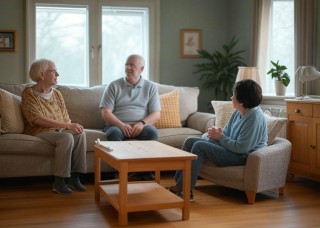
    The article outlines effective communication strategies for interacting with loved ones with dementia, highlighting the need for empathy, patience, and understanding while emphasizing supportive approaches like using simple language, minimizing distractions, and focusing on feelings over facts to maintain dignity and foster connection. It also suggests seeking professional guidance when needed as communication challenges evolve.

  • va nursing homeComprehensive Guide to VA Nursing Homes: A Crucial Long-Term Care Resource for Veterans

    VA nursing homes, or Community Living Centers (CLCs), offer tailored long-term care for veterans, featuring medical attention and rehabilitation in a supportive environment. The guide covers facility types, eligibility criteria, financial assistance options, quality of care standards, and alternatives to full-time nursing home placement.

  • in home dementia care costsEstimating the Expenses of At-Home Dementia Care: A Detailed Exploration
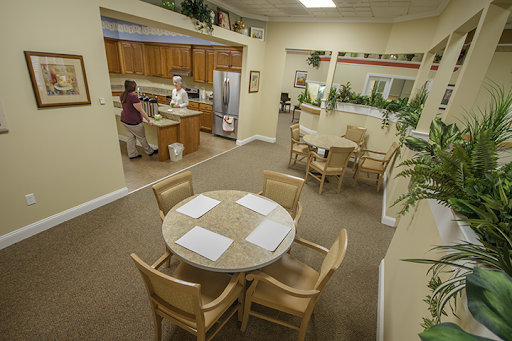
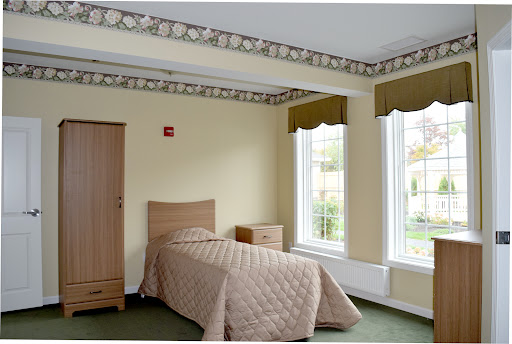
    At-home dementia care expenses vary widely based on care levels, location, and caregiver expertise, with monthly costs for home health aides exceeding $4,500 and specialized care potentially surpassing $100,000 annually. While families favor in-home care for its comfort and personalized attention, they must consider financial planning and the challenges of caregiver fatigue.