
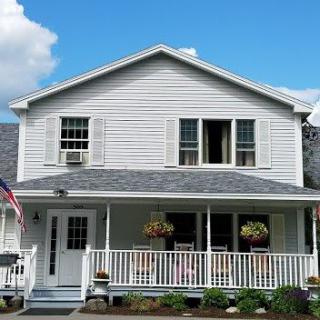
5 Crocker Street, Howland, ME 04448
For more information about senior living options: (866) 208-4318
Overall Review of Cummings Health Care Facility
Pros
 The visitor's friend was welcomed with heartfelt hospitality upon entering the facility.
- She is in good hands and will receive the care she deserves.
- Julie Murphy and the staff are thanked for making this possible and for their dedication.
- The care described is wonderful.
- The staff are fabulous to residents and treat them with dignity and respect.
- The food service is great and accommodates residents' preferences.
- The atmosphere is homey and sweet, with a welcoming living room and dining area.
- Several staff members have been there for years and clearly enjoy helping the residents.
Cons
 She did not receive good care.
- When help was needed, nothing was done.
- The staff is undertrained and mostly on phones.
- The visiting area is very dirty.
- The staff's personal conversations are inappropriate.
- The administration lacks close supervision and makes decisions that are not always what is wanted.
Review
Cummings Health Care Facility in Howland is best suited for families seeking a small, homey assisted living setting where daily life is grounded in personal relationships, warmth, and meal service more than hospital-grade rigor. The community tends to favor continuity and familiarity, with a living room and dining room that create a domestic atmosphere rather than a clinical one. It works for residents who value dignity, respectful interactions, and a staff culture that feels like there are people who know the resident by name and history. For families prioritizing a personal touch and a comfortable, neighborly vibe, this facility offers a compelling fit.
The strongest positives center on human warmth and consistency. Families highlight staff who treat residents with dignity and speak to them with care, often noting that several team members have been there for years. The caregiving approach is described as tender and patient, with staff who remember preferences and can accommodate individual tastes in meals. Food service earns consistent praise, with residents offered alternatives and meals shaped to individual liking. The setting itself reinforces the positive feeling: a homey environment where visitors are welcomed and residents feel at ease, supported by long-tenured personnel who know their way around both routines and quirks. For relatives who want to see real, ongoing relationships form between staff and residents, the facility delivers.
However, multiple red flags appear in the collective experiences. One reviewed situation recounts inadequate responses to health needs, with claims that help was not provided promptly and that staff were distracted, allegedly focused on phones rather than residents. A dirty visiting area and conversations that felt unprofessional add to concerns about day-to-day conditions and the quality of oversight. The most pointed critique centers on administration: even when family members are involved, decisions are sometimes made without close alignment to what families want, suggesting governance gaps that undermine trust and continuity. Taken together, these concerns suggest that behind the warmth there are operational weaknesses that can erode confidence when a resident’s needs intensify.
Those pros and cons must be weighed against each other in concrete terms. The intangible benefits, dignity, respect, a familiar staff presence, and dependable food, can significantly offset a comfortable, low-stress daily experience for residents who do not require high-intensity medical intervention. In practice, though, the gaps in responsiveness and the apparent administrative disconnect can become decisive factors when medical issues arise or when families demand prompt, clear communication and decisive action. For residents who thrive on routine and steady, affectionate interactions, this balance can tip toward acceptance; for anyone who anticipates frequent changes in health status or a need for rapid problem-solving, the cons may outweigh the positives.
Who should consider alternatives? Families that prioritize consistently proactive medical oversight, rigorous staffing discipline, and transparent, family-centered governance will likely find other options more reliable. Facilities with stronger supervision structures, documented response times, and cleaner, more professional common areas may provide greater peace of mind for those managing complex care needs or who require frequent adjustments to care plans. In addition, if a modern, more clinical environment with robust administration is non-negotiable, exploring similar-sized or larger communities with a track record of strong governance could reduce the risk of misalignment between resident needs and administrative decisions.
For families that proceed here, a practical decision guide is essential. Schedule a face-to-face with the administrator to understand staffing patterns, response protocols, and how families are kept informed about care decisions. Observe meal times and the dining area to corroborate the positive reports about food and atmosphere. Request candid conversations with several staff members across shifts to gauge consistency and attentiveness, and seek out current residents or family members to share unedited experiences about responsiveness and supervision. Review any incident or complaint records and ask how issues are resolved and communicated. In sum, this community offers a hopeful, human-centered environment where warmth can be the defining feature, but that strength depends on stronger operational discipline and governance. For the right family, it’s a viable option; for others, it warrants careful comparison with alternatives that promise steadier oversight and quicker, clearer accountability.
 20 resident community capacity
 Assisted Living
 Board and Care Home
 Skilled Nursing Facility
 Beauty salon
 Cable or satellite TV
 Dining room
 Fully furnished
 Garden
 Housekeeping services
 Kitchenette
 Move-in coordination
 Outdoor space
 Telephone
 Wi-Fi/high-speed internet available
 24-hour call system
 Activities of daily living assistance
 Assistance with bathing
 Assistance with dressing
 Assistance with transfers
 Diabetes diet
 Meal preparation and service
 Medication management
 Mental wellness program
 Special dietary restrictions
 Transportation arrangement (medical)
 Transportation to doctors appointments





 Social Security Benefits and Assisted Living: Navigating Options Across the U.S.
 An Extensive Exploration of the VA Aid and Attendance Benefit
 Senior Transition Services: Understanding Their Role, Cost, and Importance