
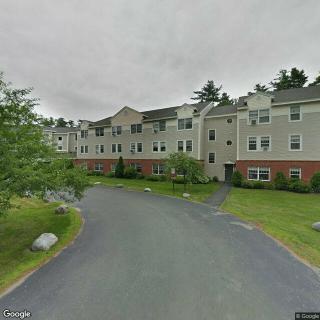
17 Church Road, Holden, ME 04429
For more information about senior living options: (866) 208-4318
Overall Review of Ohi - 17 Church Road
Pros
 The place offered the best rate for what they needed in the area.
- It was very clean and secure.
- Moving in was easy.
Cons
 The reviewer received no information at the time of contract.
- The website did not work, so the contract had to be done by telephone.
- The agent required the reviewer to email, but no email address was provided on the website.
- The website’s contact link did not work.
- The agent was not compassionate toward the reviewer’s elderly brain having difficulty using the technology and would not process the payment due by telephone.
- There was total frustration.
Review
Ohi at 17 Church Road in Holden, ME is best suited for budget-conscious seniors who want a clean, secure, easy-to-mrowse option and for families willing to trade a few logistical hiccups for a lower price. The community presents a practical appeal: affordability that sits lower than nearby alternatives and a move-in experience described as uncomplicated. This is a place where routine safety and basic comfort appear solid, and where the daily environment, when access is straightforward, can be reassuring for residents who don’t demand high-touch service or elaborate amenities. Those who value a straightforward price tag and a no-fruss intake process will feel the strongest alignment here.
On the positive side, the standout strengths are cost and condition. The facility is reportedly clean and secure, a crucial baseline for peace of mind when selecting a residence for an elder. The move-in process, in particular, is described as easy, which matters greatly for families navigating transitions and for residents who benefit from predictability rather than a maze of forms. In practical terms, the combination of affordability plus a tidy, orderly environment translates into lower ongoing stress about basic living conditions and safety. For many, this makes Ohi a compelling first shortlist option when budget is the decisive constraint.
The most glaring fault line emerges in the intake and contract phase. A reviewer recounts receiving no information at contract, with the website failing to function and the contract ultimately conducted by telephone. The absence of a usable online channel, along with a missing email contact, created real frustration and a sense that the process lacked empathy for an elderly person navigating technology. The agent’s inability to accept a payment by phone, and approach described as lacking compassion toward cognitive challenges, signals systemic gaps in communication and customer service. These problems don’t just inconvenience; they raise legitimate questions about reliability and ongoing administrative support once a resident is enrolled.
These cons do not erase the advantages, but they shift the decision calculus. The price and the basic level of safety can offset a degree of friction for families who are confident in handling administrative quirks on their own or with minimal staff reliance. If the goal is to maximize affordability while avoiding the complexities of a more premium facility, the pros can outweigh the cons, provided the family has a solid plan to secure terms in writing and to confirm payment logistics before signing. In other words, when the only non-negotiables are price, cleanliness, and security, this community can fit, yet only if the intake red flags are acknowledged and mitigated proactively.
For anyone weighing alternatives, the obvious caveat is to steer toward facilities with transparent, accessible intake processes and clearly documented contact points. If reliable, compassionate staff who can walk through contracts in plain language, and if responsive online or phone channels, are non-negotiable, then look elsewhere. Families should consider whether the potential hassles during move-in and the risk of inconsistent administrative support align with their tolerance for friction. In short, consider alternatives that deliver the same basic level of safety and cleanliness but with stronger, more user-friendly systems and a more demonstrable commitment to smooth onboarding.
To make an informed decision, verify a few practical details before committing. Request a written summary of the contract terms, up-front costs, and monthly charges; confirm acceptable payment methods and who to contact for billing questions; ask for a clear point of contact for ongoing administration; and test the channels, call, email, and any online portal, to gauge responsiveness. Schedule a tour focused on the intake experience as well as the resident’s daily routine, and assess whether staff demonstrate genuine attentiveness and patience when explaining options or addressing concerns. If the balance of cost, safety, and ease demonstrates genuine alignment after due diligence, Ohi can be a sensible, cost-conscious match. If not, pursue alternatives that prioritize friction-free onboarding and reliable communication as core commitments.
 6 resident community capacity
 Assisted Living
 Cable or satellite TV
 Dining room
 Fully furnished
 Garden
 Housekeeping services
 Move-in coordination
 Outdoor space
 Telephone
 Wi-Fi/high-speed internet available
 Bangor International (8 miles away)
 24-hour supervision
 Activities of daily living assistance
 Assistance with bathing
 Assistance with dressing
 Assistance with transfers
 Diabetes diet
 Meal preparation and service
 Medication management
 Special dietary restrictions
 Transportation arrangement (medical)
 Transportation to doctors appointments


 Assisted Living Expenses and Long-Term Care Insurance: A Comprehensive Exploration
 Securing Financial Support for Assisted Living: A Comprehensive Overview
 Social Security Benefits and Assisted Living: Navigating Options Across the U.S.