
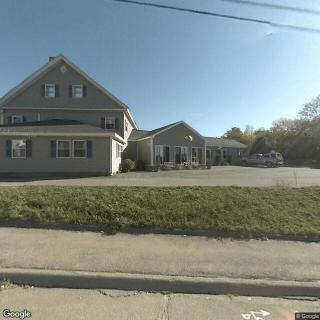
40 Palmer Street, Calais, ME 04619
To contact a resident: (207) 454-3663
For more information about senior living options: (866) 208-4318
Overall Review of Washington Place Assisted Living
Pros
 The staff are attentive, gracious, and helpful toward residents.
- The rooms are nicely decorated.
- The staff escort visitors and ensure their loved ones are comfortable.
- The building is large, and the food is quite good.
- The surrounding views are tranquil and help residents stay calm.
- The facility feels open and spacious, yet homey and comfortable.
Review
Washington Place Assisted Living in Calais, ME is best suited for families and seniors who want a hands-on, personable care environment wrapped in a homey, open-feeling atmosphere. This community shines for residents who value attentive staff interaction, genuine hospitality, and easy, welcoming access for families during visits. The setting, scenic, tranquil, and conducive to a relaxed daily rhythm, supports socializing without feeling crowded, making it a strong fit for those who prioritize human connection, clear caregiver presence, and a visually comforting environment.
The standout pros flow directly from the resident experience. Staff attention is consistently highlighted as a defining strength: aides are gracious, helpful, and ready to assist, with a willingness to go the extra mile to ensure a loved one is comfortable and that visiting family members are welcomed and guided. The atmosphere is enhanced by well-kept rooms that are nicely decorated, and meals described as good, underscoring a culture of everyday comfort. The surrounding views contribute to a calm mood, which many families find essential for reducing anxiety and promoting daily steadiness. The facility’s layout supports activity without chaos: ample common spaces for friends and family, multiple activity zones, and a sense of openness that preserves a feeling of “room to breathe” while maintaining home-like intimacy.
However, practical decision-making requires clarifying where this setting may not be the best fit. For families seeking a tightly intimate, small-scale environment, or specialized care beyond standard assisted living, such as intensive memory care or highly medicalized oversight, alternatives with a more boutique, contained feel may serve better. The size and open-plan design, while a strength for social engagement, can be less ideal for residents who thrive on privacy or who prefer a quieter, more secluded atmosphere. Additionally, those prioritizing proximity to a broader network of medical specialists or urban amenities might weigh other options that sit closer to larger hubs.
Still, the strongest pros offset these potential drawbacks in meaningful ways. The consistent, personable staff presence helps offset any sense of impersonality that can accompany a larger campus, delivering the reassurance of hands-on attention during routines and visits. High-quality meals and serene, scenic surroundings counterbalance the trade-off of living in a larger facility by delivering daily comfort and a calming environment. The open, spacious layout actually reinforces safety and engagement: residents have room to move, participate in diverse activities, and maintain social connections, which in turn supports emotional well-being and reduces isolation. In short, the strengths align well with expectations for a supportive, resident-centered assisted living.
For families weighing next steps, consider these practical criteria. Observe how staff interact with a resident during a tour, especially around routine tasks, mobility assistance, and meal service; ask about caregiver-to-resident ratios and staffing patterns across shifts; review the activity calendar to confirm that programs align with a loved one’s interests and energy levels. Inquire about memory care options if cognition is a concern, and verify how personal routines are accommodated, from wake times and meals to therapy appointments. Talk about transportation, emergency response times, and what’s included in monthly costs, ensuring there are no surprises in long-term budgeting. Finally, verify access to outside family spaces during visits and what visiting policies look like to preserve continuity of familiar relationships.
The bottom-line judgment is practical and confident: Washington Place Assisted Living is a strong choice for seniors who value a hands-on, caring staff, good meals, and a peaceful, open environment that supports social activity and family involvement. It excels where compassionate daily care, a home-like ambiance, and tranquil surroundings matter most. Those who require a more intimate setting, tighter private space, or highly specialized medical oversight may want to explore alternatives that emphasize a smaller scale or more intensive clinical services. For families prioritizing staff engagement, welcoming touchpoints, and a dependable, comfort-forward daily life, this community merits a serious visit and thoughtful comparison alongside other options.
 Assisted Living
 Skilled Nursing Facility
 Activities on-site
 Beautician on-site
 Devotional services off-site
 Dining room
 Housekeeping services
 Indoor common areas
 Laundry
 Transportation & parking
 Ambulatory care
 Diabetic care
 Medication management
 Meals provided
 English
 Vibrant Senior Living: A Comprehensive Guide for Active Older Adults
 When to Transition from Assisted Living to Memory Care: Key Indicators, Steps, and Finding the Right Community
 Assisted Living and Memory Care: Understanding Their Core Differences