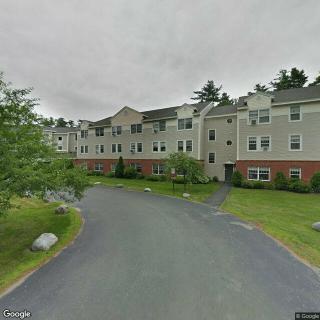
Ohi - 321 North Main Street

321 North Main Street, Brewer, ME 04412

For more information about senior living options: (844) 490-3973

4.1 from 13 reviews
5 stars
9
4 stars
1
3 stars
0
2 stars
1
1 stars
2

Assisted Living

Ohi - 321 North Main Street Costs & Pricing

At Ohi - 321 North Main Street, the monthly costs for various room types reflect a competitive positioning within Penobscot County and the broader state of Maine. The semi-private room is priced at $4,594, slightly above the county average of $4,485 but below the state average of $4,685. Private rooms are offered at $5,512, which is just under the county's rate of $5,563 while being higher than the state's average of $4,625. For those seeking more independent living options, studio accommodations are available at $5,972 - a figure that exceeds both the county and state averages of $4,910 and $4,889 respectively. Overall, Ohi presents a range of options that cater to diverse needs while maintaining a reasonable alignment with regional pricing trends.

Floor plansOhi - 321 North Main StreetPenobscot CountyMaine
Semi-Private$4,594$4,485$4,685
Private$5,512$5,563$4,625
Studio$5,972$4,910$4,889

Overall Review of Ohi - 321 North Main Street

Pros

  • pro Most volunteers are very kind.
  • pro Many staff members are lovely.
  • pro The food pantry is great.
  • pro The volunteers are very nice and helpful in times of need.
  • pro The staff are very nice, straight to the point, and very helpful.
  • pro The volunteers here are a blessing.
  • pro OHI is a wonderful place, with a Bangor main office and a Brewer food pantry that offers food on Monday and Wednesday.

Cons

  • pro One woman was so incredibly rude to the reviewer that they would never return to the location.
  • pro The staff were sometimes almost rude when the reviewer tried to raise concerns, talking over them and accusing them of not calling or having left.
  • pro The reviewer faced difficulty getting food every time they went to the pantry, despite arriving first.
  • pro The reviewer waited in their car for 30 to 45 minutes, and on some occasions over an hour, while others were served.
  • pro A volunteer allegedly refused to bring out food if the reviewer sat in the backseat with their daughter, telling them to change where they sat.
  • pro They were told they didn't call or had left, as a reason not to receive food, which felt accusatory.
  • pro They were refused food because they lived in Bangor, even after trying other Bangor locations.

Review

A community food pantry that draws strong praise as a lifeline for many and frustration for others sits at the center of mixed reviews. On one hand, the place is celebrated for the generosity and kindness of its volunteers and for the overall sense that it serves a real, essential purpose. Multiple voices describe volunteers who are "very nice," "very helpful," and "a blessing" to those who come seeking food and support. The main office in Bangor and the Brewer food pantry are both mentioned as important hubs that help people day to day, with Brewer offering set days for food distribution (Mondays and Wednesdays) that many rely on. Taken together, these testimonials sketch a resource that is deeply valued by a broad slice of the community.

Alongside the praise, there are clearly voiced concerns about how the pantry operates on some days. Several reviewers point to staff and volunteers who are friendly and supportive, noting that the staff can be "lovely" and the volunteers genuinely helpful in times of need. Yet at the same time, there are accounts of friction and inconsistent experiences that undermine that goodwill. In particular, a pattern emerges of frustration with wait times and with how the process is managed when the pantry opens and throughout the day. One person describes arriving before opening and being the first to call at nine, only to end up waiting in the car for 30 to 45 minutes on average, sometimes longer - while other cars are served and leave with food. The disparity between being first in line and still waiting feels unfair to them and left them feeling overlooked.

The negative experiences are not limited to wait times alone. A number of reviewers recount encounters with staff who seemed dismissive or even outright rude when questioned about the process. They report being talked over, accused of not calling, or even told that they must have left and therefore were not eligible for service. In a particularly troubling anecdote, a volunteer allegedly told the reviewer that she did not want to bring out food if the person was sitting in a certain seat in the backseat with a child, implying that seating position could affect whether food would be given. Such interactions contribute to a sense that, for some patrons, the process is not only slow but also inconsistent and disrespectful.

The core tension seems to be a longing for fairness and respectful treatment from those administering the pantry. One reviewer explicitly states they did not want to leave a negative review, but hoped for someone to contact them and resolve the issue, underscoring a desire for constructive engagement and better communication. The emotional stakes are clear: people turn to the pantry in times of need, and when the experience feels dehumanizing or bureaucratic, it compounds the stress of already difficult circumstances. The underlying message is that the pantry is a great resource, but the experience of using it should reflect the dignity of everyone who seeks help.

Geographic constraints and supply challenges also surface in the feedback. In one account, individuals were told they could not receive food because they lived farther away in Bangor, even after traveling to multiple locations where supply was depleted. That experience suggests that, for some, the pantry's generosity is tempered by practical limitations and policy decisions that can leave friends and neighbors feeling turned away when they need it most. It adds another layer to the confusion and disappointment some patrons experience, especially when the supply situation is fluid and affected by demand in neighboring areas.

Despite these tensions, the overall tone remains hopeful about what the pantry represents and what it can become. The references to OHI as "a wonderful place" with a meaningful footprint in Bangor, and the Brewer site's regular food offerings, emphasize the pantry's critical role in the community. The praise for volunteers and staff who are genuinely kind and helpful echoes through many experiences, painting a picture of a resource that is deeply valued and often well run. When functioning smoothly, it seems to exemplify the best of what community outreach can do: quick, compassionate assistance delivered by people who care.

In the end, the collection of reviews presents a nuanced portrait. The pantry is clearly a cornerstone for many families and individuals, offering essential support and a community presence that many rely on with gratitude. At the same time, there are real concerns about wait times, perceived fairness, and respectful treatment that warrant attention and improvement. The most constructive path forward, suggested by the lived experiences captured here, would involve reinforcing clear procedures, ensuring timely service for those who arrive early and call ahead, and fostering a consistent culture of respect across all volunteers and staff. By listening to patrons, addressing communication gaps, and aligning operational practices with the dignity of every person who seeks aid, the pantry can amplify the best of what it already provides while reducing the negative experiences that some have felt.

Features

Housing

  • 4 resident community capacity 4 resident community capacity

Types of Care

  • Assisted Living Assisted LivingAssisted living facilities provide crucial support and care for seniors who may need help with daily tasks such as medication management, bathing, and meal preparation. These communities offer a safe and comfortable environment where seniors can maintain their independence while receiving the assistance they need to thrive in their golden years.

Amenities

  • Cable or satellite TV Cable or satellite TVCable or satellite TV is important for seniors because it provides entertainment, news, and companionship, helping to combat loneliness and boredom. It also offers a wide range of programming options tailored to different interests and preferences.
  • Dining room Dining roomDining rooms are important for seniors as they provide a space for socialization, connection, and nutritious meals. They offer opportunities for residents to bond over shared meals, foster a sense of community, and promote healthy eating habits. Dining rooms also ensure that seniors have access to well-balanced meals tailored to their dietary needs and preferences.
  • Fully furnished Fully furnishedFully furnished senior living communities are important for seniors because they provide convenience, comfort, and a hassle-free moving experience. Seniors can easily settle into their new living space without the stress of having to buy and move furniture. This allows them to focus on enjoying their new home and community.
  • Garden GardenGardens are important for seniors as they provide a peaceful and therapeutic environment for relaxation, physical activity, and socialization. Being in nature has been shown to reduce stress, improve mood, and promote overall well-being. Gardens also offer opportunities for seniors to engage in gardening activities, which can improve mobility, flexibility, and cognitive function. Additionally, gardens create a sense of community and connection with others who share a passion for plants and outdoor spaces.
  • Housekeeping services Housekeeping servicesHousekeeping services are important for seniors because they help maintain a clean and safe living environment, promote independence, and reduce the risk of accidents or illnesses. Additionally, having assistance with household chores can alleviate physical strain and allow seniors to focus on other aspects of their well-being.
  • Move-in coordination Move-in coordinationMove-in coordination is important for seniors because it helps ease the transition into their new living environment. It ensures that all logistics, such as packing, organizing movers, and setting up utilities are taken care of, allowing seniors to focus on settling in and adjusting to their new home. Having a smooth move-in process can alleviate stress and anxiety, making the transition smoother and more enjoyable for seniors.
  • Outdoor space Outdoor spaceOutdoor spaces are important for seniors as they provide opportunities for physical activity, social interaction, exposure to natural light and fresh air, and a sense of connection to nature. Having access to outdoor spaces can improve overall well-being and quality of life for older adults living in senior communities.
  • Telephone TelephoneTelephones are important for seniors as they provide a lifeline for communication with loved ones, emergency services, and healthcare providers. They offer a sense of security and independence, enabling seniors to stay connected and access assistance when needed.
  • Wi-Fi/high-speed internet available Wi-Fi/high-speed internet availableWi-Fi/high-speed internet is important for seniors to stay connected with loved ones, access online resources, and participate in virtual activities to combat feelings of loneliness and isolation. It also allows them to easily manage healthcare needs, access entertainment, and engage in lifelong learning opportunities.

Transportation

  • Bangor International (3 miles away) Bangor International (3 miles away)

Care Services

  • 24-hour supervision 24-hour supervision24-hour supervision is important for seniors to ensure their safety, well-being, and access to immediate assistance in case of emergencies or health issues. This constant support provides peace of mind for both seniors and their loved ones, allowing them to age in place with dignity and security.
  • Activities of daily living assistance Activities of daily living assistanceActivities of daily living assistance are important for seniors because they provide essential support with tasks such as eating, bathing, dressing, and mobility. This assistance helps seniors maintain their independence, dignity, and overall quality of life as they age.
  • Assistance with bathing Assistance with bathingAssistance with bathing is crucial for seniors as it helps maintain personal hygiene, prevents infections, and ensures their overall well-being and comfort. It also provides a sense of dignity and independence for seniors who may struggle with this task on their own.
  • Assistance with dressing Assistance with dressingAssistance with dressing is important for seniors because it helps maintain their independence, promotes personal hygiene, prevents accidents and injuries, and improves overall quality of life. This service ensures that seniors can continue to dress comfortably and confidently, despite any physical limitations they may have.
  • Assistance with transfers Assistance with transfersAssistance with transfers is crucial for seniors as it helps prevent falls and injuries, maintains their independence, and ensures they can safely navigate their living environment. It also provides peace of mind for both seniors and their loved ones.
  • Coordination with health care providers Coordination with health care providersCoordination with health care providers is crucial for seniors to ensure proper medical care, medication management, and overall well-being. This collaboration helps prevent overlapping treatments, track progress more effectively, and provide comprehensive support tailored to individual needs.
  • Diabetes diet Diabetes dietA diabetes diet is crucial for seniors as it helps manage blood sugar levels, reduce risks of complications, and improve overall health and well-being. By following a balanced and nutritious diet tailored to their specific needs, seniors can better control their diabetes and enhance their quality of life.
  • Meal preparation and service Meal preparation and serviceMeal preparation and service are crucial for seniors as they may have limited mobility or energy to cook nutritious meals. Having access to healthy and convenient food options can ensure they are getting the proper nutrition needed to maintain their overall health and well-being.
  • Medication management Medication managementMedication management is crucial for seniors to ensure they are taking the right medications at the correct dosages and times. This helps prevent adverse drug interactions, reduces the risk of medication errors, and promotes overall health and well-being. Proactive management also allows for adjustments as needed based on changing health conditions or new prescriptions.
  • Special dietary restrictions Special dietary restrictionsSpecial dietary restrictions are important for seniors because age-related changes in metabolism and health conditions can make it difficult for their bodies to process certain foods. By following a diet tailored to their specific needs, seniors can maintain their overall health and well-being, manage chronic conditions, and reduce the risk of complications such as malnutrition or food interactions with medications.
  • Transportation arrangement (medical) Transportation arrangement (medical)Transportation arrangements for medical purposes are essential for seniors as they may have difficulty driving themselves to appointments or accessing public transportation. Having reliable and safe transportation options ensures that seniors can receive timely medical care and maintain their health and well-being.
  • Transportation to doctors appointments Transportation to doctors appointmentsTransportation to doctors' appointments is crucial for seniors as it ensures they have access to necessary medical care and support for their health needs. Without reliable transportation, seniors may struggle to attend important appointments, leading to potential delays in treatment and health complications. Providing transportation services helps seniors maintain their overall well-being and quality of life.
Dining

  • Diabetes diet Diabetes dietA diabetes diet is crucial for seniors as it helps manage blood sugar levels, reduce risks of complications, and improve overall health and well-being. By following a balanced and nutritious diet tailored to their specific needs, seniors can better control their diabetes and enhance their quality of life.
  • Special dietary restrictions Special dietary restrictionsSpecial dietary restrictions are important for seniors because age-related changes in metabolism and health conditions can make it difficult for their bodies to process certain foods. By following a diet tailored to their specific needs, seniors can maintain their overall health and well-being, manage chronic conditions, and reduce the risk of complications such as malnutrition or food interactions with medications.

Activities

  • Community-sponsored activities Community-sponsored activitiesCommunity-sponsored activities are important for seniors as they provide opportunities for social interaction, mental stimulation, and physical activity. These activities can help improve overall well-being, combat loneliness and isolation, and promote a sense of belonging and purpose among older adults.
  • Scheduled daily activities Scheduled daily activitiesScheduled daily activities are important for seniors because they provide structure, socialization, mental stimulation, and physical activity. Engaging in regular activities can improve overall well-being and quality of life for seniors living in a community setting.

Description

Located at 321 North Main Street in Brewer, ME, this assisted living community offers a range of amenities and care services to provide a comfortable and supportive environment for its residents.

The community features a spacious dining room where residents can enjoy nutritious meals prepared by the staff. The dining options are flexible and can accommodate special dietary restrictions, ensuring that everyone's needs are met.

Residents can expect a fully furnished living space, complete with all the necessary furniture and appliances for their convenience. Housekeeping services are also provided to maintain a clean and tidy environment.

For those who enjoy spending time outdoors, there is a beautiful garden where residents can relax and take in the fresh air. Additionally, there is ample outdoor space for leisurely walks or gatherings with friends and family.

To keep residents connected with their loved ones and the outside world, the community offers telephone service as well as Wi-Fi/high-speed internet access.

In terms of care services, trained staff members are available to assist with activities of daily living, such as bathing, dressing, and transfers. They will also coordinate with health care providers to ensure that residents receive the necessary medical attention. For individuals with diabetes or special dietary restrictions, the community offers specific diet plans to manage their conditions effectively.

Transportation arrangement is available for medical appointments, providing convenience for residents who require regular visits to healthcare providers. In addition to medical transportation, there are nearby cafes, parks, pharmacies, restaurants, places of worship, theaters, hospitals in close proximity to cater to various lifestyle preferences and needs.

To keep residents engaged and socially active within the community, scheduled daily activities are offered. Residents can participate in these activities according to their interests and abilities.

Overall, this assisted living community provides not only essential care services but also a range of amenities that promote comfort and well-being for its residents.

Nearby Places of Interest

Restaurants

  • Jimmie's Ice Cream & Grill (0.3 miles)
  • Hero's Sports Grill & Entertainment Center (0.4 miles)
  • High Tide (0.5 miles)
  • Frank's Bake Shop & Catering (0.5 miles)
  • Sea Dog Brewing Co. (0.5 miles)
  • Carolina Sports & Spirits (0.6 miles)
  • Orono Brewing Company (0.6 miles)

Places of Worship

  • Clearwater Spiritualist Church (0.3 miles)
  • First United Methodist Church (1.9 miles)

Hospitals

  • Eastern Maine Healthcare Systems (0.4 miles)
  • Sleep Center of Maine (0.6 miles)
  • EMMC - Outpatient Surgery Center (0.8 miles)
  • EMMC - Grant 6 West (0.8 miles)
  • Northern Light Eastern Maine (0.9 miles)
  • St Joseph Hospital (1.3 miles)
  • St Joseph Healthcare Park (1.3 miles)

Physicians

  • Bangor Family Healthcare (0.5 miles)
  • Joseph Lawrence Benoit (0.6 miles)
  • David A Branch (0.6 miles)
  • Sleep Diagnostics at Eastern Maine Medical Center (0.6 miles)
  • Francis Kathleen Penobscot Community Health Cr Bangor (0.6 miles)
  • Heritage Psychiatric Associates (0.7 miles)
  • Surgery and Trauma Specialists at Eastern Maine Medical Center (0.7 miles)

Pharmacies

  • Miller Drug (0.5 miles)
  • Northern Light Pharmacy (0.5 miles)
  • Byard (0.5 miles)
  • Miller Drug Pharmacy-Riverside (0.8 miles)
  • Shaw's Pharmacy (0.9 miles)
  • Walgreens (1.1 miles)
  • Walgreens (1.7 miles)

Transportation

  • Uhaul (0.6 miles)
  • Central Maine & Quebec Railway (1.5 miles)
  • Dick's Taxi (1.5 miles)

Cafes

  • West Market Square Artisan Coffeehouse (0.6 miles)
  • Tim Hortons (1.8 miles)

Theaters

  • Queen City Cinema Club (0.6 miles)
  • Bangor Mall Cinemas 10 (2.1 miles)

Parks

  • Chapin Park (0.7 miles)
  • City of Bangor Parks & Recreation (1.6 miles)
  • Brewer Off Road Park (1.6 miles)
  • Bangor Dog Park (1.9 miles)

Frequently Asked Questions

How much does it cost to live at Ohi - 321 North Main Street in Brewer, ME?
Where is Ohi - 321 North Main Street?

Nearby Communities

  • Ohi - 92 State Street

    Ohi - 92 State Street

    Brewer, ME


    pro Intimate, small-capacity setting with comprehensive care (ADL support, medication management) plus on-site dining and medical transportation.

  • The Burr Home

    The Burr Home

    Brewer, ME


    pro Small, intimate assisted living with fully furnished apartments and comprehensive on-site support (meals, housekeeping, ADL assistance, medication management, transportation).

  • C&C Homes

    C&C Homes

    Brewer, ME


    pro Comprehensive care and amenities (ADL assistance, medication management, meals, and transportation) in a fully furnished setting.

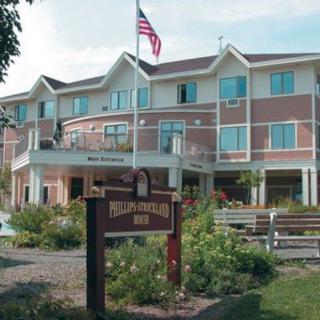
  • Phillips Strickland House

    Phillips Strickland House

    Bangor, ME

    4.4 from 28 reviews
     

    pro Fully furnished assisted living with 24/7 supervision, ADL support, medication management, and restaurant-style dining.

    Phillips Strickland House reviews
    Phillips Strickland House images

  • Sirjas

    Sirjas

    Brewer, ME

    5 from 2 reviews
     

    pro On-site activities and meals with strong access to nearby healthcare and services.

    Sirjas reviews
    Sirjas images

  • Washington Street

    Washington Street

    Brewer, ME


    pro Comprehensive care with 24-hour supervision, medication management, diabetes-friendly dining, and convenient amenities (dining room, housekeeping, garden, outdoor space, transportation, Wi-Fi).

  • Woodlands Senior Living of Brewer

    Woodlands Senior Living of Brewer

    Brewer, ME

    4.4 from 45 reviews
     

    pro Well-maintained facility with experienced staff and a strong commitment to resident care.

    Woodlands Senior Living of Brewer reviews
    Woodlands Senior Living of Brewer images

  • Ellen M. Leach Memorial Home

    Ellen M. Leach Memorial Home

    Brewer, ME

    4.7 from 32 reviews
    $2,241 to $2,688 / month

    pro Clean, welcoming environment with engaging activities and included nursing services; affordable pricing.

    Ellen M. Leach Memorial Home costs
    Ellen M. Leach Memorial Home reviews
    Ellen M. Leach Memorial Home images

  • The Country Villa

    The Country Villa

    Bangor, ME

    4.5 from 26 reviews
    $2,700 to $6,175 / month

    pro Warm, homelike atmosphere with dedicated staff and engaging activities.

    The Country Villa costs
    The Country Villa reviews
    The Country Villa images

Related Resources

  • assisted living costUnderstanding the True Cost of Assisted Living in 2025: A Comprehensive Guide

    Assisted living in 2025 offers a crucial balance of independence and support for seniors, with costs varying from $2,500 to over $7,000 per month based on factors such as location and care level. Understanding pricing complexities, including regional differences and potential hidden fees, is essential for families to plan financially while ensuring quality care for their loved ones.

  • does medicaid pay for assisted livingUnderstanding Medicaid Coverage for Assisted Living: A Comprehensive Guide

    The guide outlines the complexities of Medicaid coverage for assisted living, highlighting significant state-to-state variations, limited coverage often restricted to personal care services, and the existence of specialized waivers for certain needs like memory care. It advises families to consult local Medicaid offices for options while emphasizing the importance of understanding state-specific regulations and facility policies.

  • does medicaid pay for assisted livingHow and When Medicaid May Cover Assisted Living Costs

    Medicaid coverage for assisted living varies by state and is primarily available to low-income individuals, with eligibility dependent on strict income and asset limits. Some states offer HCBS waivers for specific services in assisted living, but families must generally cover room and board costs, and should verify facility acceptance of Medicaid while considering potential waiting lists.