
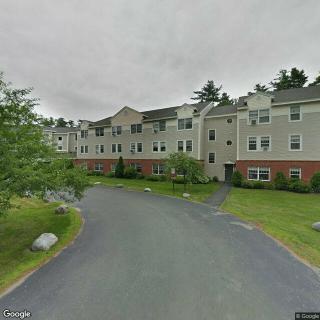
296 Mount Hope Avenue, Bangor, ME 04401
For more information about senior living options: (866) 208-4318
Overall Review of Ohi - 296 Mt. Hope Avenue
Pros
 The organization is a much-needed resource helping many people.
- OHI is a great organization that helps people in need every day.
- The staff are the most caring and compassionate individuals.
- They go above and beyond for all their clients.
- OHI is awesome.
- Loved ones are truly cared for by OHI.
Cons
 The reviewer is not impressed with the care provided to their family member.
- The family member’s medical care was refused for four days, and she was made to do things she did not want to do.
- Things are looking grim for the family member.
- The reviewer states that someone answered a call and hung up on them.
Review
OHI in Bangor, ME is best suited for families seeking a warm, relationship-focused environment where staff presence translates into daily reassurance for residents who mainly need help with routine tasks and social engagement rather than aggressive medical intervention. The community’s history as supportive housing and the anecdotes that emphasize a caring, familial tone suggest that a lived-in, people-first culture dominates the experience. For families prioritizing comfort, personal attention, and a homey atmosphere, this setting can feel like a reassuring, “we’ve got you” option, especially for residents who flourish on steady routines and consistent companionship.
However, there are clear reasons to consider alternatives, particularly for seniors with more intensive medical needs or those requiring reliable, formal oversight. The reviews reveal a wide quality spread: warmth and compassion cited by several observers sit alongside persistent questions about medical responsiveness and administrative communication. Prospective residents who cannot tolerate gaps in medical attention, unclear care plans, or slow responses to urgent questions should scrutinize OHI’s clinical support before committing. This is not a place to gamble with medical reliability; it is a place where the social climate can mask uneven clinical governance.
The strongest, most consistent pro is the staff’s genuine care. Several reviewers describe employees going “above and beyond” and treating residents as people who are truly loved. One observer, even a retired nurse, expressed strong confidence in the staff’s character and dedication. In practice, this translates into meaningful everyday interactions: friendly faces, patient listening, and a palpable sense that staff know the residents by name and routine. For families seeking a setting where staff warmth helps residents feel settled, these elements can significantly lower stress and create a supportive daily life.
The principal drawbacks reside in medical care execution and communication. At least one family reports a serious failure to provide medical care for multiple days, with the resident subjected to actions they did not want. Additional feedback points to inconsistent responsiveness, including an instance of a phone being answered only to be hung up. Such episodes raise legitimate concerns about how medical decisions are coordinated, how quickly concerns are escalated, and how well families are kept informed. Taken together, these threads imply that medical oversight at OHI may be uneven, and administrative reach can be inconsistent.
These pros and cons pull in opposite directions depending on resident needs. For a senior who values warmth, stable daily living, and staff who feel like part of the family, the positives can outweigh the negatives if medical care stays manageable and well-communicated. For anyone whose health status demands timely, proactive medical management, or for families who require transparent, formal care plans with reliable escalation protocols, the downsides likely exceed the benefits. In practical terms, this means using OHI as a viable option only after confirming a solid medical support framework and a proven mechanism for rapid communication with caregivers and clinicians.
If choosing OHI, approach with a disciplined due-diligence plan. Demand a written, detailed care plan with clearly defined medical oversight, on-call medical access, and daily documentation that is accessible to families. Schedule meetings with the administrator and, if possible, speak directly with the clinical lead to understand how medical decisions are coordinated day-to-day. Request references from current residents or families, and arrange visits at varying times to observe responsiveness and staff interaction. Above all, test the process: ask for a short trial period to assess how concerns are handled and whether care aligns with expectations. If these assurances cannot be obtained, or if medical reliability remains questionable, actively compare alternatives that prioritize clinical oversight, clearer governance, and consistent communication.
 4 resident community capacity
 Assisted Living
 Cable or satellite TV
 Dining room
 Fully furnished
 Garden
 Housekeeping services
 Move-in coordination
 Outdoor space
 Telephone
 Wi-Fi/high-speed internet available
 Bangor International (4 miles away)
 24-hour supervision
 Activities of daily living assistance
 Assistance with bathing
 Assistance with dressing
 Assistance with transfers
 Diabetes diet
 Meal preparation and service
 Medication management
 Special dietary restrictions
 Transportation arrangement (medical)
 Transportation to doctors appointments





 Social Security Benefits and Assisted Living: Navigating Options Across the U.S.
 An Extensive Exploration of the VA Aid and Attendance Benefit
 Senior Transition Services: Understanding Their Role, Cost, and Importance