
325 Park Road, New Castle, KY 40050
For more information about senior living options: (866) 208-4318
Overall Review of Cedar Lake Lodge - Park Place I
Pros
 The kids loved the splash park.
- They always have fun at the trick or trails.
- It is a nice place, wheelchair accessible and family-friendly.
- It is a loving and caring facility catering to the needs of adults with special needs.
- Great people doing a great service for those in need.
Cons
 The reviewer claims their belongings were left sitting out all day, and despite a call to confirm, no one showed or called.
 - They say everything left out was ruined and is being discarded rather than given to someone who can use it.
- They advise others not to donate to the organization, suggesting donations go to a place that actually cares.
Review
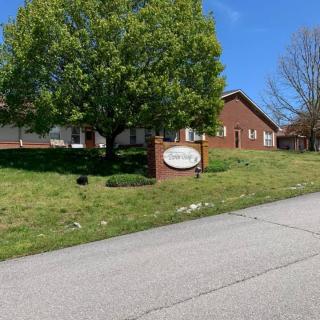
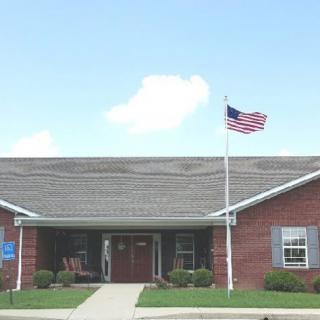
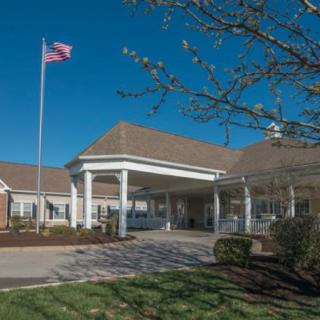
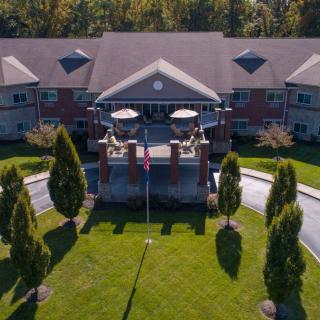
Cedar Lake Lodge – Park Place I is best suited for families seeking a warm, community-driven setting for adults with special needs, where accessibility and social engagement are prioritized. The environment comes across as loving and caring, with a clearly family-friendly vibe and full wheelchair accessibility. The facility supports visits from children and regularly hosts activities like splash parks and trick-or-trails, indicating a campus designed for inclusive, everyday life as much as care. In New Castle, Kentucky, this site stands out as a practical option for households that want a locally rooted community where staff know residents and participation matters. The overall rating sits at 4.4 from 22 reviews, signaling steady satisfaction from families who prize atmosphere and personal attention over clinical intensity.
Those weighing alternatives should note potential gaps for residents with higher medical needs or strict accountability expectations. A negative review about belongings not being returned and a sitter who failed to show underscores a real concern: mislaid items and inconsistent follow-through can erode trust and complicate daily routines. Families with residents requiring regular medication oversight, heightened monitoring, or memory-care-specific services may find Cedar Lake’s current model less aligned with those needs. For such cases, exploring communities with more formalized protocols, stronger nursing coverage, or clearly defined safeguards for personal property could be wise. This is not a verdict against the setting so much as a call to match care intensity and operational rigor to individual requirements.
The core positives, genuine caregiver culture, explicit focus on adults with special needs, and a genuinely accessible, family-friendly environment, often offset the tangential risk regarding personal items. The facility’s emphasis on inclusive activities and social engagement supports independence and reduces isolation, a meaningful benefit for residents who thrive on interaction and community life. A strong sense of being known by staff, paired with opportunities for family involvement, can mitigate day-to-day friction and foster a stable routine. Still, the highlighted lapse around belongings isn’t trivial; it signals the need for clear, enforceable policies and regular reassurance that valuables are safeguarded. In practice, this means families should demand transparent procedures and measurable follow-up on any missing items.
For evaluators, the decision hinge is medical complexity versus community warmth. If a resident benefits from lively programming, affectionate, present caregivers, and straightforward assistance with activities of daily living, Park Place I delivers on those promises. If medical needs are frequent or if personal-item security is non-negotiable, this site may require supplements or a different operator with stronger clinical infrastructure. The reviews imply a care model that prioritizes warmth and daily life over high-intensity clinical oversight. That distinction matters: real peace of mind comes from staff engagement, resident inclusion, and visible family involvement, areas where Cedar Lake tends to excel.
During tours, prioritize practical probes that reveal how well the operation actually functions day-to-day. Ask about staff-to-resident ratios, shift continuity, and typical response times to requests. Inquire how belongings are stored, tracked, and recovered if misplaced, and whether there is a secure space for valuables. Request a sample daily schedule to see how activities balance stimulation with rest, and whether residents have input into planning events. Verify wheelchair access across the campus, including outdoor spaces, and speak with frontline caregivers about handling transitions and behavioral concerns. If memory care or specialized supervision could be necessary, secure a clear plan, cost structure, and contingency options before making a commitment.
Overall, Cedar Lake Lodge – Park Place I represents a solid choice for families prioritizing warmth, accessibility, and social engagement for adults with special needs. The strongest argument rests on a caring culture and a robust calendar of inclusive activities that translate into meaningful daily experiences. The primary caveat centers on operational hiccups around personal items and consistency of follow-through, a risk that can be mitigated with explicit policies and proactive family engagement. For households requiring more intensive medical oversight or tighter control over valuables, it may be prudent to compare options with stronger clinical infrastructure. The prudent path is a focused tour, with attention to safeguards, a review of sample daily routines, and an honest dialogue about expectations to ensure the fit is right before any commitment.
 8 resident community capacity
 Assisted Living
 Cable or satellite TV
 Dining room
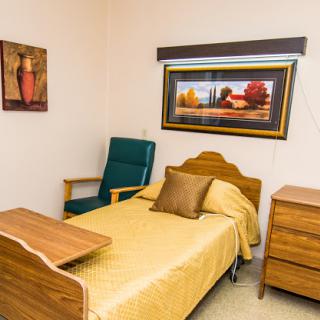
 Fully furnished
 Garden
 Housekeeping services
 Move-in coordination
 Outdoor space
 Telephone
 Wi-Fi/high-speed internet available
 24-hour supervision
 Activities of daily living assistance
 Assistance with bathing
 Assistance with dressing
 Assistance with transfers
 Diabetes diet
 Meal preparation and service
 Medication management
 Special dietary restrictions
 Transportation arrangement (medical)
 Transportation to doctors appointments


 Vibrant Senior Living: A Comprehensive Guide for Active Older Adults
 When to Transition from Assisted Living to Memory Care: Key Indicators, Steps, and Finding the Right Community
 Assisted Living and Memory Care: Understanding Their Core Differences