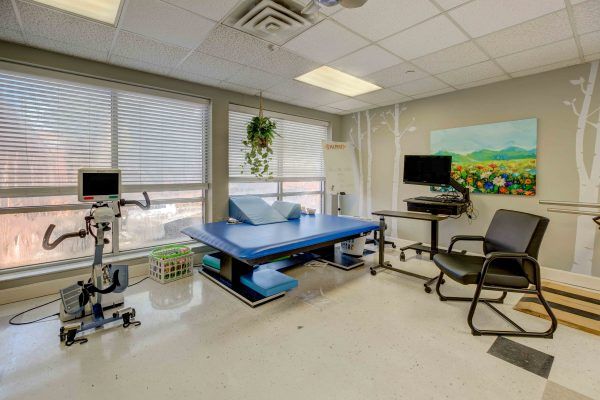
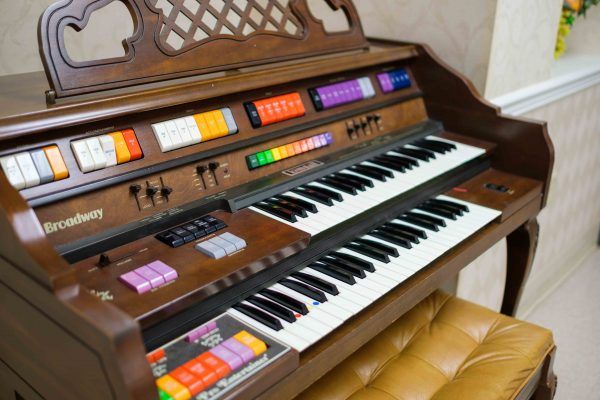
Christian Health Center - Louisville

Save

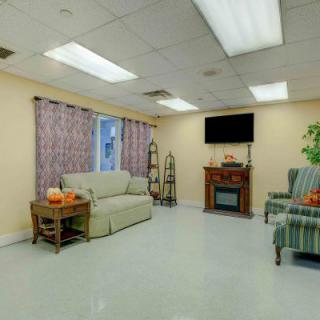
  • Interior

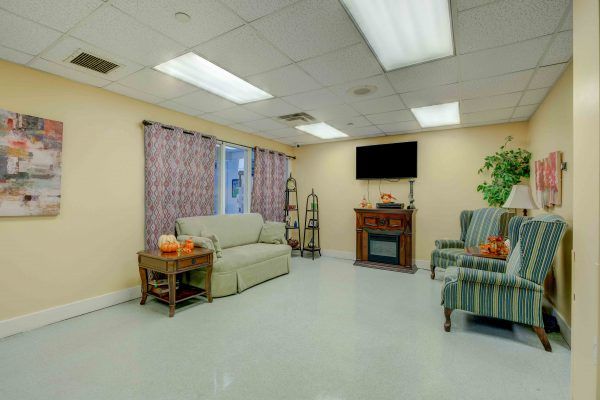
    A cozy living room with sofas, a television mounted above a fireplace, and decorative elements including plants and curtains.
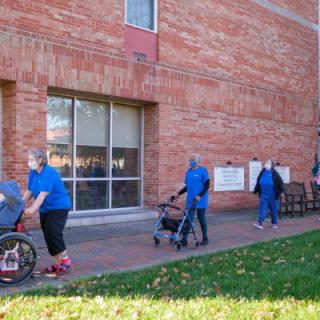
  • Outdoors

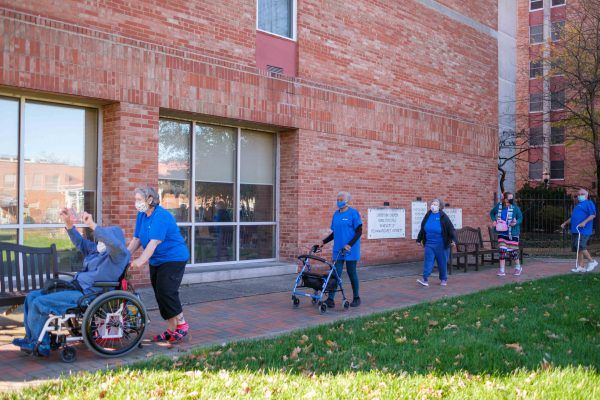
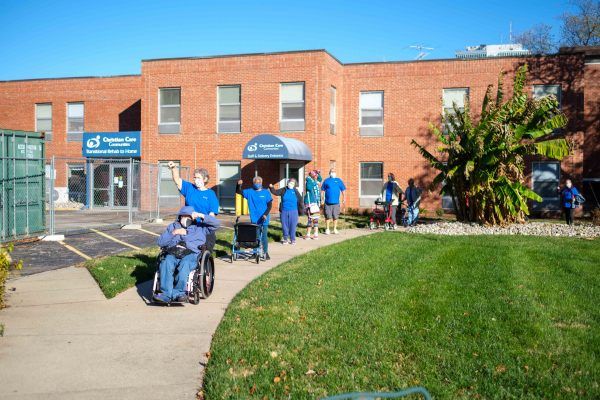
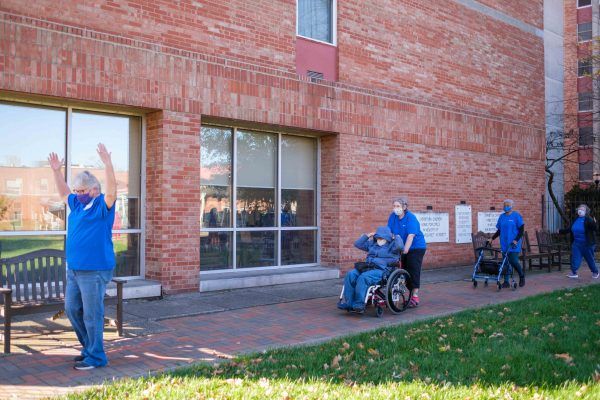
    People walking with strollers outside a brick building.
  • Decor

    A decorative shelf on a wall adorned with flowers and various decorative items.
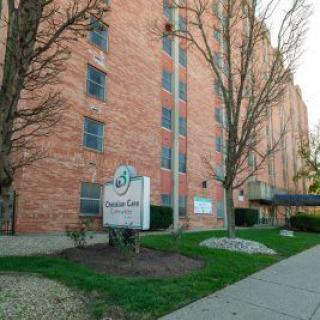
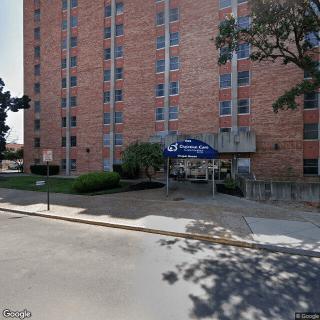
  • Building

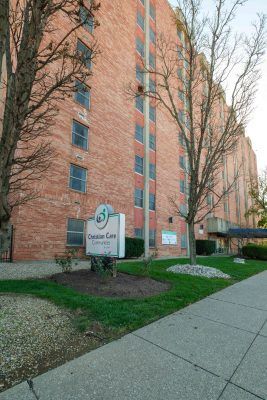
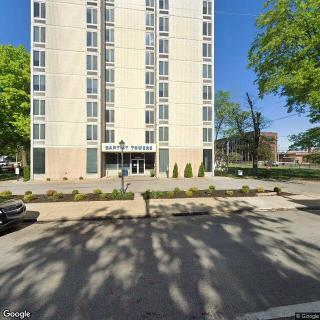
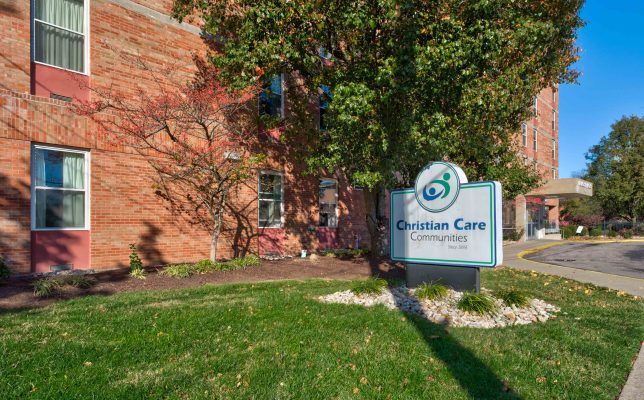
    A brick residential apartment building with a sign in the foreground and trees along the sidewalk.
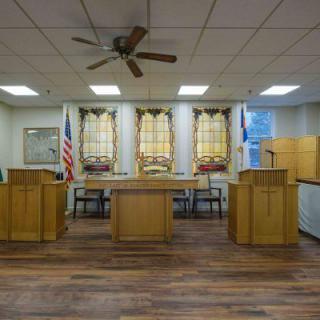
  • Architecture

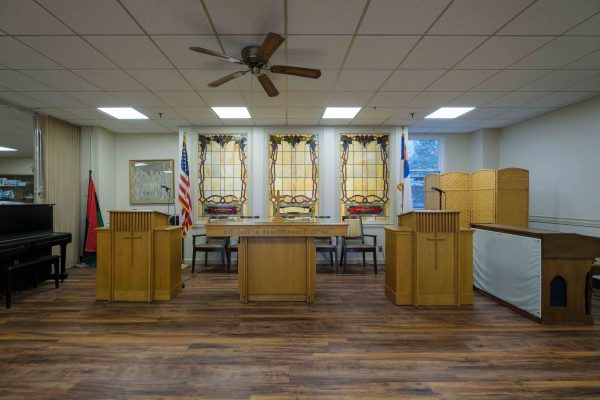
    A courtroom interior featuring wooden furniture, flags, and a wooden floor.
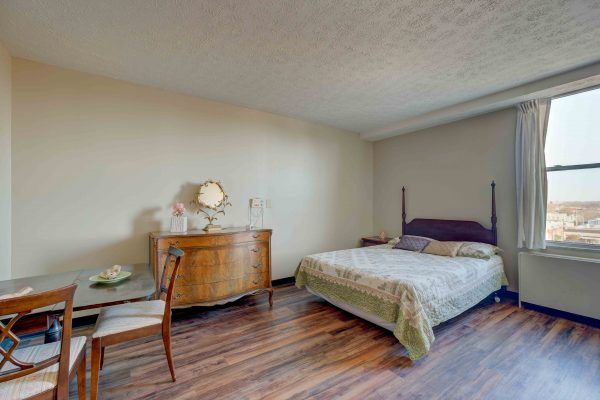
  • Bedroom

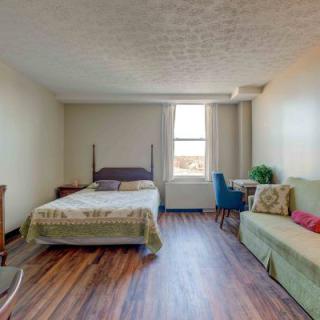
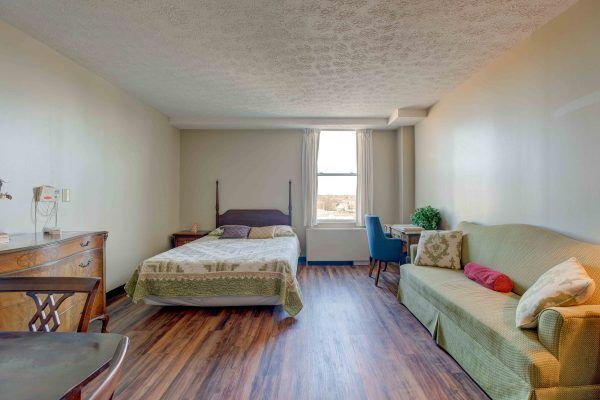
    A cozy studio apartment with a bed, sofa, and a small table by the window.
  • Trees

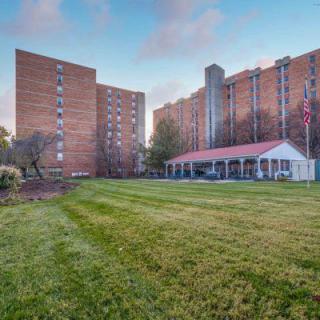
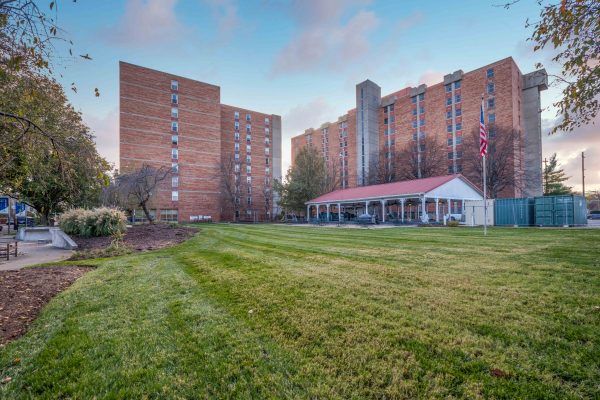
    A brick building with an American flag in front, surrounded by trees and a green lawn under a clear blue sky.
  • Windows

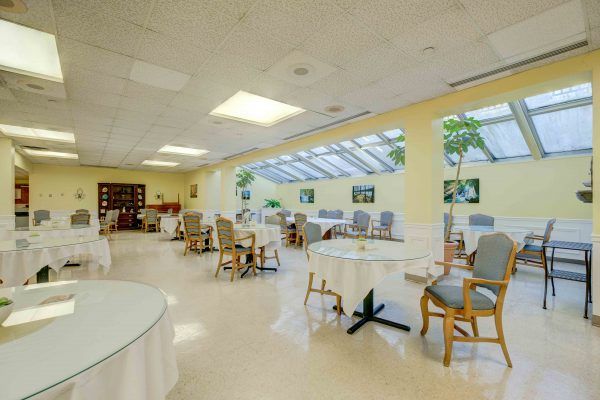
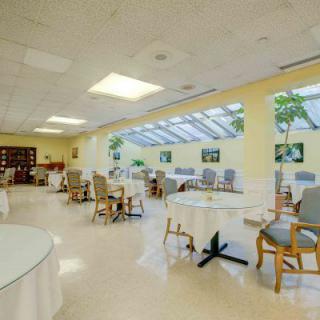
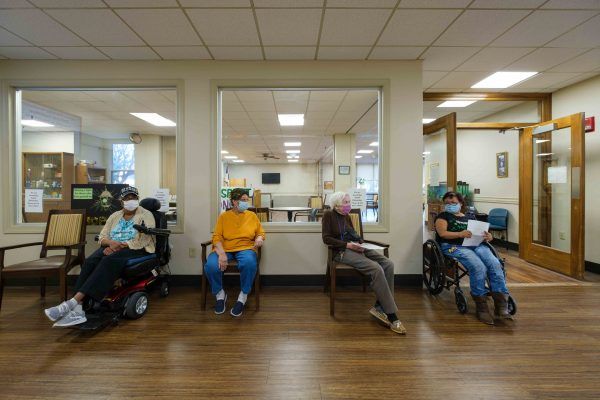
    A spacious dining area with large windows allowing natural light to brighten the room, featuring arranged tables and chairs.
  • Landscaping

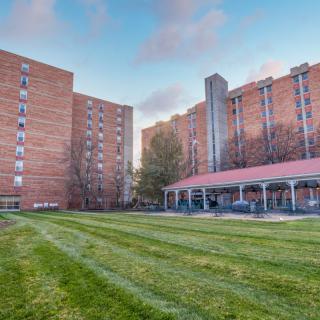
    A view of apartment buildings with a large grassy lawn in the foreground.
  • Garden

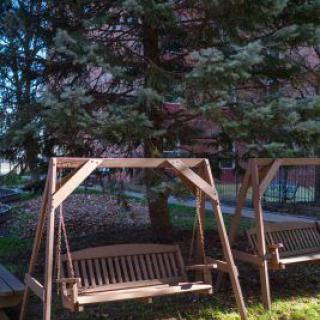
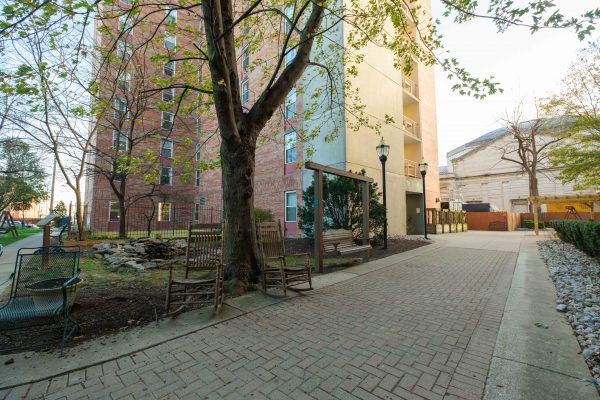
    A peaceful outdoor area featuring wooden swings under the shade of tall trees.
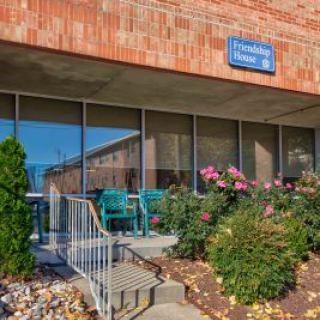
  • Entrance

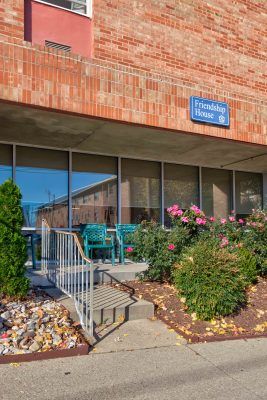
    The entrance to an office building with glass windows, a ramp, and surrounding shrubbery.
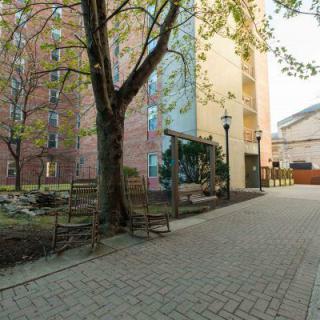
  • Outdoor

    A peaceful urban courtyard with benches and a tree along the pathway between buildings.
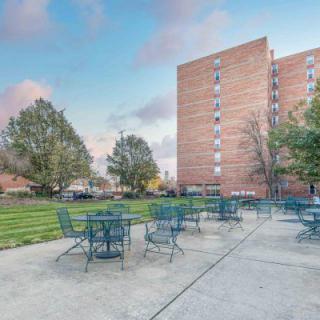
  • Patio

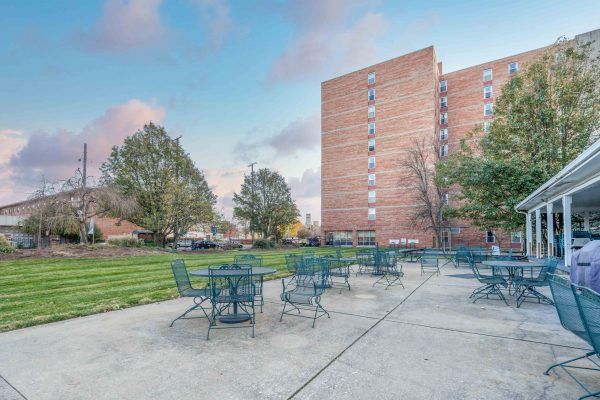
    A patio with tables and chairs set outside a multi-story brick building with surrounding greenery.
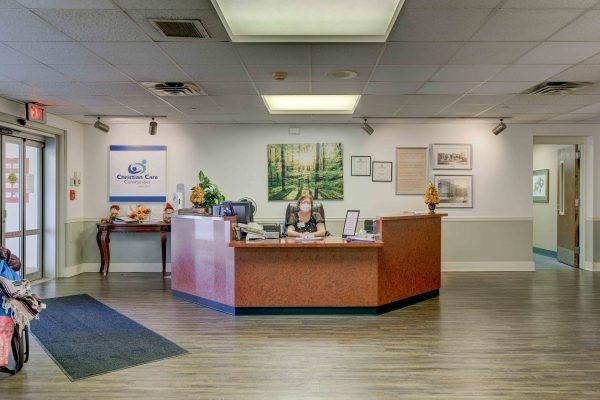
  • Lobby

    A spacious office reception area with a central desk and welcoming atmosphere.

Christian Health Center - Louisville

920 South Fourth Street, Louisville, KY 40203

For more information about senior living options: (844) 490-3973

2.9 from 29 reviews
5 stars
12
4 stars
0
3 stars
2
2 stars
3
1 stars
12

Assisted Living Independent Living Skilled Nursing Facility

What level of care are you interested in?

Assisted Living

Memory Care

Independent Living

Skilled Nursing Facility

Continuing Care Retirement Community (CCRC)CCRC

Other


Request a tour at Christian Health Center - Louisville

    Overall Review of Christian Health Center - Louisville

    Pros

    • pro Christian Health Center Louisville has staff that truly care about the wellbeing and quality of life of the elders they provide care for.
    • pro The staff are welcoming and show true teamwork to accomplish tasks and make the right decisions for the elders.
    • pro They took great care of residents and the physical therapy was awesome.
    • pro The therapy is top notch and very engaging.
    • pro The staff are dedicated and compassionate, working to improve the care and quality of life for the elders.
    • pro The team is tireless in keeping everyone safe during COVID-19 and welcoming to friends and family.
    • pro They helped the family with the Medicaid application process and made everything easy during a difficult time.
    • pro The care received was top notch.
    • pro Mary Lynn Spalding and the staff cared for the mother and allowed the family to take pictures on Mother's Day.
    • pro There are dedicated and compassionate people coming together to improve elder care and the quality of life for the residents.

    Cons

    • pro The staff are among the rudest one could encounter.
    • pro The rooms have no paint on the walls and beds on the floor.
    • pro The nurses and aides are disrespectful to patients.
    • pro Care is slow and rude when residents request anything.
    • pro Phones for residents have been down for months and calls are blocked.
    • pro The facility lied about a patient's progress and daily activities.
    • pro Residents were left sitting in chairs for hours in pain with little care.
    • pro The facility is unorganized with miscommunication; the left hand does not know what the right is doing.

    Review

    Christian Health Center Louisville draws a wide range of strong opinions from families and residents, with reviews that span devastating accusations of neglect and disorganization to heartfelt praise for individual caregivers and the therapy team. Taken together, the comments paint a complex picture of a facility that has moments of genuine care and support, but also experiences that leave families alarmed, frustrated, and seeking answers from administrators, Medicaid offices, and state agencies. The most urgent themes center on quality of care, communication, cleanliness, and the reliability of basic services that families depend on when they entrust loved ones to a nursing home.

    A number of reviews focus on intensely troubling experiences that suggest neglect and poor treatment. Several families recount patients left sitting in chairs for hours, not receiving timely help with basic needs, and not being properly fed. One account describes a patient who began to lose weight sharply after admission, with the facility reportedly telling the family the patient was walking and eating well when that was not the case. Another review details a day of care that included a colostomy bag that was dangerously full and a diaper rash that went untreated, with a patient left for days without proper hygiene. There are also claims that loved ones were not cleaned or turned regularly and that essential care tasks were delayed or ignored. These stories are compounded by allegations that phones for residents were down for months, making it nearly impossible for families who live far away to check on their relatives and, in some cases, that a family's attempt to obtain information was met with retaliation or blocked contact.

    Communication appears to be a friction point across many accounts. Reviewers describe a culture where "left hand doesn't know what the right hand is doing," with inconsistent updates about a patient's status and care plan. Several families report that staff did not appear to have a clear system for coordinating medication, with at least one person noting that medications were not provided as prescribed, and another recounting that a staff member claimed there was no on-site pharmacy even as prescriptions were still being issued. There are also reports of disorganization in scheduling and implementing physical therapy and other rehab services, with some reviewers implying that the facility's approach to care could be more coordinated and patient-centered.

    The emotional and relational layer of care is equally varied. Some families describe staff as respectful, compassionate, and responsive, praising specific teams and individuals for going above and beyond, especially in the therapy setting and during the COVID-19 era. Others emphasize the presence of caring nurses and aides, and express gratitude for Medicaid navigation assistance and voluntary staff who helped maintain a sense of community and continuity during challenging times. A recurring thread in these more positive accounts is the sense that, when the facility runs well, residents are treated with dignity, and families feel supported by a team that communicates clearly and acts in their loved one's best interest.

    In contrast, there are strong accusations of hostility, racism, and disrespect from some staff members. A reviewer claims that a night shift supervisor, identified as Ms. Sullivan, embodies a troubling bias and mistreatment toward people who share a different background. Other comments point to a broader perception of a culture where some workers are dismissive, and where bedside manners can vary dramatically from shift to shift. These assertions illuminate real concerns about workforce stability, training, and accountability that can erode trust among families already on edge about their loved ones' safety and comfort.

    Amid the negative feedback, a surprising number of voices also celebrate the center's strengths. Several reviews highlight the value of individualized care plans that permit families to access and participate in the care process, and they commend the dedication of staff who gently support residents through rehabilitation and recovery. Some families express pride in the facility's resilience - how, despite systemic strain, compassionate caregivers and engaged volunteers make an impact, especially in areas like rehabilitation and daily living activities. The stories of longstanding staff and volunteers who contributed to residents' well-being over years, and the care they provided during milestones such as holidays or family visits, illustrate the human side of care that remains a cornerstone for many families.

    The facility's environment and operational reality also come under scrutiny. Some reviews describe an old building with outdated infrastructure, where odors and cleanliness become pressing concerns. The sense of a facility stretched thin by staffing needs or administrative hurdles is echoed in calls for more robust oversight and enhanced communication with families. The contrast between these concerns and the comments that celebrate dedicated teams and improving morale during the pandemic indicates that experiences at Christian Health Center Louisville are not static; they shift with staffing, leadership, and the daily realities of patient load and acuity.

    Taken together, the narratives suggest a facility at a crossroads. There are unmistakable warnings about neglect, medication lapses, and breakdowns in responsiveness that demand urgent attention from administrators, nursing leadership, and external regulators. Simultaneously, there are earnest testimonies about compassionate caregivers, effective therapies, and a community that rallies to support families during difficult times. The reviews imply that progress hinges on concrete improvements in communication, accountability, and the consistency of care across shifts, while maintaining and expanding the qualities that some families already experience as deeply beneficial: attentive staff, meaningful rehabilitation, and a supportive environment that helps residents maintain dignity and hope.

    For families considering this center, the takeaway is a call to diligence and dialogue. If you or a loved one is here, it may be worth requesting regular, structured updates; asking for a clear medication administration plan; and establishing a direct line of communication with a dedicated case manager or nurse to monitor daily care. It also highlights the importance of reporting concerns promptly to Adult Protective Services or state oversight bodies when care appears neglectful or unsafe. The breadth of experiences reflected in these reviews underscores that a facility's value often comes down to steady, accountable teams that listen, coordinate, and act quickly in the best interests of residents - especially the most vulnerable - and to a broader commitment to continuous improvement that reinforces trust with families who place their loved ones in care.

    Features

    Housing

    • 122 resident community capacity 122 resident community capacity

    Types of Care

    • Assisted Living Assisted LivingAssisted living facilities provide crucial support and care for seniors who may need help with daily tasks such as medication management, bathing, and meal preparation. These communities offer a safe and comfortable environment where seniors can maintain their independence while receiving the assistance they need to thrive in their golden years.
    • Independent Living Independent LivingIndependent living communities are important for seniors because they offer a safe and supportive environment where older adults can live independently while still having access to amenities and services that enhance their quality of life. These communities provide social opportunities, recreational activities, and assistance with daily tasks, promoting overall well-being and allowing seniors to maintain their independence for as long as possible.
    • Skilled Nursing Facility Skilled Nursing FacilitySkilled Nursing Facilities are crucial for seniors as they provide round-the-clock medical care, rehabilitation services, and assistance with daily activities. These facilities ensure that seniors receive the specialized care they need to maintain their health and well-being as they age.

    Amenities

    • Air-conditioning Air-conditioningAir conditioning is important for seniors as they are more vulnerable to heat-related illnesses and may have underlying health conditions that make it difficult for them to regulate their body temperature. It helps to keep them comfortable, safe, and healthy in hot weather.
    • Beauty salon Beauty salonBeauty salons are important for seniors because they provide a space for them to feel pampered, socialize, and maintain their personal grooming and hygiene. Regular visits to a beauty salon can help boost seniors' self-esteem and overall well-being.
    • Cable or satellite TV Cable or satellite TVCable or satellite TV is important for seniors because it provides entertainment, news, and companionship, helping to combat loneliness and boredom. It also offers a wide range of programming options tailored to different interests and preferences.
    • Computer center Computer centerA computer center is essential for seniors as it provides access to technology, communication tools, and resources that can enhance their daily lives. It allows them to stay connected with loved ones, engage in online activities, and learn new skills, ultimately promoting socialization and mental stimulation.
    • Dining room Dining roomDining rooms are important for seniors as they provide a space for socialization, connection, and nutritious meals. They offer opportunities for residents to bond over shared meals, foster a sense of community, and promote healthy eating habits. Dining rooms also ensure that seniors have access to well-balanced meals tailored to their dietary needs and preferences.
    • Fitness room Fitness roomHaving a fitness room in a senior living community is essential for seniors to stay active, maintain their physical health, and improve their overall well-being. Regular exercise can help prevent falls, reduce the risk of chronic diseases, and promote mental sharpness. It also provides social opportunities for residents to connect with others and enjoy a sense of community.
    • Fully furnished Fully furnishedFully furnished senior living communities are important for seniors because they provide convenience, comfort, and a hassle-free moving experience. Seniors can easily settle into their new living space without the stress of having to buy and move furniture. This allows them to focus on enjoying their new home and community.
    • Gaming room Gaming roomGaming rooms are important for seniors as they provide a fun and engaging environment for socializing, cognitive stimulation, and physical activity. Games can improve memory, problem-solving skills, and overall mental well-being while fostering friendships and reducing feelings of isolation.
    • Garden GardenGardens are important for seniors as they provide a peaceful and therapeutic environment for relaxation, physical activity, and socialization. Being in nature has been shown to reduce stress, improve mood, and promote overall well-being. Gardens also offer opportunities for seniors to engage in gardening activities, which can improve mobility, flexibility, and cognitive function. Additionally, gardens create a sense of community and connection with others who share a passion for plants and outdoor spaces.
    • Housekeeping services Housekeeping servicesHousekeeping services are important for seniors because they help maintain a clean and safe living environment, promote independence, and reduce the risk of accidents or illnesses. Additionally, having assistance with household chores can alleviate physical strain and allow seniors to focus on other aspects of their well-being.
    • Kitchenette KitchenetteKitchenettes are important for seniors living in senior living communities because they provide the convenience and independence of being able to prepare simple meals and snacks in the comfort of their own living space. This can help promote a sense of autonomy and well-being for seniors, allowing them to maintain some level of control over their dietary choices and daily routines.
    • Move-in coordination Move-in coordinationMove-in coordination is important for seniors because it helps ease the transition into their new living environment. It ensures that all logistics, such as packing, organizing movers, and setting up utilities are taken care of, allowing seniors to focus on settling in and adjusting to their new home. Having a smooth move-in process can alleviate stress and anxiety, making the transition smoother and more enjoyable for seniors.
    • Outdoor space Outdoor spaceOutdoor spaces are important for seniors as they provide opportunities for physical activity, social interaction, exposure to natural light and fresh air, and a sense of connection to nature. Having access to outdoor spaces can improve overall well-being and quality of life for older adults living in senior communities.
    • Private bathrooms Private bathroomsPrivate bathrooms are important for seniors in senior living communities because they provide independence, dignity, and comfort. Having a private bathroom allows seniors to maintain their personal hygiene routines without the need for assistance, promoting a sense of autonomy and privacy. Additionally, private bathrooms help prevent the spread of infections and provide a safe and clean environment for seniors to navigate safely.
    • Restaurant-style dining Restaurant-style diningRestaurant-style dining is important for seniors because it allows them to enjoy delicious, nutritious meals in a social and upscale setting. This enhances their dining experience, promotes healthy eating habits, and fosters socialization with fellow residents, ultimately contributing to their overall well-being and quality of life.
    • Small library Small librarySmall libraries are important for seniors as they provide access to a variety of reading materials, including books, newspapers, and magazines. This can help stimulate their minds, keep them engaged, and provide a sense of community through book clubs and other social activities. Additionally, reading has been shown to improve cognitive function and overall mental well-being in older adults.
    • Telephone TelephoneTelephones are important for seniors as they provide a lifeline for communication with loved ones, emergency services, and healthcare providers. They offer a sense of security and independence, enabling seniors to stay connected and access assistance when needed.
    • Wellness center Wellness centerWellness centers are important for seniors because they offer a variety of programs and services that promote physical, mental, and emotional well-being. These centers provide opportunities for exercise, socialization, education, and relaxation, helping seniors maintain their overall health and quality of life.
    • Wi-Fi/high-speed internet available Wi-Fi/high-speed internet availableWi-Fi/high-speed internet is important for seniors to stay connected with loved ones, access online resources, and participate in virtual activities to combat feelings of loneliness and isolation. It also allows them to easily manage healthcare needs, access entertainment, and engage in lifelong learning opportunities.

    Transportation

    • Louisville International-Standiford (5 miles away) Louisville International-Standiford (5 miles away)
    • Community operated transportation Community operated transportationCommunity operated transportation is crucial for seniors as it provides them with the means to access essential services, social activities, and medical appointments. It allows seniors to maintain their independence and quality of life by ensuring they can participate in activities outside of their homes. Additionally, community-operated transportation services offer a safe and reliable way for seniors to travel without having to rely on family or friends for assistance.
    • Transportation arrangement Transportation arrangementTransportation arrangements are crucial for seniors as they may face challenges with driving, mobility, or access to public transportation. Having reliable transportation services ensures that seniors can easily attend appointments, social activities, and maintain their independence and quality of life.
    • Transportation arrangement (non-medical) Transportation arrangement (non-medical)Transportation arrangements are essential for seniors as they provide access to essential services, activities, and social interactions outside the home. This service helps maintain independence, mobility, and overall well-being for seniors who may have limited transportation options.
    • Transportation to doctors appointments Transportation to doctors appointmentsTransportation to doctors appointments is crucial for seniors as it ensures they have access to necessary medical care and support, promoting their health and well-being. It allows them to receive timely treatment, monitor existing conditions, and address any new health concerns efficiently. Additionally, transportation services can help seniors maintain their independence and quality of life by enabling them to stay connected with their healthcare providers.

    Care Services

    • 12-16 hour nursing 12-16 hour nursing12-16 hour nursing care is crucial for seniors in order to ensure around-the-clock monitoring, timely medication administration, and prompt response to any health concerns or emergencies. This level of care helps to promote the overall well-being and safety of seniors living in senior living communities.
    • 24-hour call system 24-hour call system24-hour call systems are important for seniors because they provide peace of mind and immediate assistance in case of emergencies. This technology ensures that help is always available, promoting safety and security for elderly individuals living alone or in assisted living facilities.
    • 24-hour supervision 24-hour supervision24-hour supervision is important for seniors to ensure their safety, well-being, and access to immediate assistance in case of emergencies or health issues. This constant support provides peace of mind for both seniors and their loved ones, allowing them to age in place with dignity and security.
    • Activities of daily living assistance Activities of daily living assistanceActivities of daily living assistance are important for seniors because they provide essential support with tasks such as eating, bathing, dressing, and mobility. This assistance helps seniors maintain their independence, dignity, and overall quality of life as they age.
    • Assistance with bathing Assistance with bathingAssistance with bathing is crucial for seniors as it helps maintain personal hygiene, prevents infections, and ensures their overall well-being and comfort. It also provides a sense of dignity and independence for seniors who may struggle with this task on their own.
    • Assistance with dressing Assistance with dressingAssistance with dressing is important for seniors because it helps maintain their independence, promotes personal hygiene, prevents accidents and injuries, and improves overall quality of life. This service ensures that seniors can continue to dress comfortably and confidently, despite any physical limitations they may have.
    • Assistance with transfers Assistance with transfersAssistance with transfers is crucial for seniors as it helps prevent falls and injuries, maintains their independence, and ensures they can safely navigate their living environment. It also provides peace of mind for both seniors and their loved ones.
    • Diabetes diet Diabetes dietA diabetes diet is crucial for seniors as it helps manage blood sugar levels, reduce risks of complications, and improve overall health and well-being. By following a balanced and nutritious diet tailored to their specific needs, seniors can better control their diabetes and enhance their quality of life.
    • Meal preparation and service Meal preparation and serviceMeal preparation and service are crucial for seniors as they may have limited mobility or energy to cook nutritious meals. Having access to healthy and convenient food options can ensure they are getting the proper nutrition needed to maintain their overall health and well-being.
    • Medication management Medication managementMedication management is crucial for seniors to ensure they are taking the right medications at the correct dosages and times. This helps prevent adverse drug interactions, reduces the risk of medication errors, and promotes overall health and well-being. Proactive management also allows for adjustments as needed based on changing health conditions or new prescriptions.
    • Mental wellness program Mental wellness programMental wellness programs are essential for seniors as they promote cognitive stimulation, emotional support, and social engagement. These programs help prevent isolation, depression, and cognitive decline, ultimately enhancing the overall quality of life for older adults.
    • Special dietary restrictions Special dietary restrictionsSpecial dietary restrictions are important for seniors because age-related changes in metabolism and health conditions can make it difficult for their bodies to process certain foods. By following a diet tailored to their specific needs, seniors can maintain their overall health and well-being, manage chronic conditions, and reduce the risk of complications such as malnutrition or food interactions with medications.

    Dining

    • Diabetes diet Diabetes dietA diabetes diet is crucial for seniors as it helps manage blood sugar levels, reduce risks of complications, and improve overall health and well-being. By following a balanced and nutritious diet tailored to their specific needs, seniors can better control their diabetes and enhance their quality of life.
    • Special dietary restrictions Special dietary restrictionsSpecial dietary restrictions are important for seniors because age-related changes in metabolism and health conditions can make it difficult for their bodies to process certain foods. By following a diet tailored to their specific needs, seniors can maintain their overall health and well-being, manage chronic conditions, and reduce the risk of complications such as malnutrition or food interactions with medications.

    Activities

    • Community-sponsored activities Community-sponsored activitiesCommunity-sponsored activities are important for seniors as they provide opportunities for social interaction, mental stimulation, and physical activity. These activities can help improve overall well-being, combat loneliness and isolation, and promote a sense of belonging and purpose among older adults.
    • Concierge services Concierge servicesConcierge services are essential for seniors as they provide assistance with daily tasks and errands, enhance their quality of life by offering convenience and personalized care, and promote a sense of safety and security.
    • Fitness programs Fitness programsFitness programs are crucial for seniors as they help improve strength, flexibility, balance, and overall well-being. Staying active can reduce the risk of chronic diseases, improve mental health, and enhance quality of life in older adults.
    • Planned day trips Planned day tripsPlanned day trips are important for seniors because they offer opportunities for socialization, mental stimulation, and physical activity. They provide a change of scenery and help seniors stay engaged and connected to their community, promoting overall well-being and quality of life.
    • Resident-run activities Resident-run activitiesResident-run activities are important for seniors as they encourage social interaction, creativity, and a sense of autonomy. These activities empower seniors to stay engaged and active in their community while fostering meaningful connections with their peers.
    • Scheduled daily activities Scheduled daily activitiesScheduled daily activities are important for seniors because they provide structure, socialization, mental stimulation, and physical activity. Engaging in regular activities can improve overall well-being and quality of life for seniors living in a community setting.

    Description

    The Christian Health Center in Louisville, KY is a senior living community that provides a range of care services to meet the needs of its residents. Offering both independent living and skilled nursing facility options, this center ensures that individuals can receive the level of care they require.

    Residents at the Christian Health Center can enjoy a variety of amenities designed to enhance their comfort and well-being. These amenities include a beauty salon for convenient grooming services, cable or satellite TV for entertainment, and community-operated transportation for easy access to local attractions and appointments. A computer center is available for residents to stay connected with loved ones, while a fitness room promotes physical wellness. The fully furnished accommodations provide a comfortable home-like setting, with private bathrooms for convenience.

    A varied dining experience awaits residents at the Christian Health Center. With restaurant-style dining in a communal dining room, residents can enjoy delicious meals prepared by professional staff. Special dietary restrictions are accommodated to ensure each resident's individual needs are met.

    Engaging activities are provided to promote socialization and enrichment among residents. Concierge services are available to assist with any needs or inquiries, while fitness programs encourage physical activity. Planned day trips offer opportunities for exploration, while resident-run activities allow individuals to take an active role in shaping their community experience. Scheduled daily activities ensure there is always something fun and engaging happening within the community.

    The surrounding neighborhood offers numerous amenities within close proximity. There are 8 cafes nearby for coffee outings or casual dining options. Nature enthusiasts will appreciate having 6 parks nearby where they can enjoy outdoor recreation and pleasant walks. Accessing essential healthcare services is convenient with 14 pharmacies and 13 physicians in the vicinity. Additionally, there are 41 restaurants offering diverse culinary experiences nearby.

    Transportation arrangements provided by the Christian Health Center cater to both medical and non-medical needs, ensuring residents have easy access to doctors' appointments or other destinations they wish to visit. Places of worship are also conveniently located nearby, promoting spiritual well-being. In case of emergencies or additional medical needs, 7 hospitals are within a short distance.

    Overall, the Christian Health Center in Louisville provides a comfortable and enriching environment for seniors seeking assisted living options. With high-quality care services, diverse amenities, engaging activities, and convenient access to local resources, residents can enjoy a fulfilling lifestyle in this community.

    Nearby Places of Interest

    Places of Worship

    • Central Presbyterian Church (0.2 miles)
    • St Joseph's (2.1 miles)
    • Beechmont Baptist Church (3.9 miles)

    Restaurants

    • McDonald's (0.4 miles)
    • Brazeiros Churrascaria - Brazilian Steakhouse (0.8 miles)
    • McDonald's (0.8 miles)
    • Wendy's (0.8 miles)
    • Magnolia Bar & Grill (0.8 miles)
    • Porch Kitchen & Bar (0.9 miles)
    • Belle of Louisville (0.9 miles)

    Pharmacies

    • Walgreens (0.6 miles)
    • Walgreens (1.9 miles)
    • Walgreens (2.1 miles)
    • Walgreens (2.8 miles)
    • CVS Pharmacy (2.8 miles)
    • CVS Pharmacy (3.1 miles)
    • CVS Pharmacy (3.1 miles)

    Cafes

    • North Lime Coffee and Donuts (0.6 miles)
    • Starbucks (1 miles)
    • Quills Coffee (1.9 miles)
    • Heine Brothers' - Longest Ave in the Highlands (2.4 miles)
    • Starbucks (2.5 miles)
    • Starbucks (2.6 miles)
    • Panera Bread (3 miles)

    Physicians

    • Diamond, Harvey M, Md - Occupational Physician Service (0.6 miles)
    • Walman Mark A MD - Waldman Mark A MD (0.6 miles)
    • Medcenter One (0.8 miles)
    • Cooley Rachel Dr University Of Louisville Physicians Eye Specialists Louisville (0.9 miles)
    • Fresenius Medical Care (1.1 miles)
    • Zimmer Melia & Associates (1.6 miles)
    • The Eye Care Institute (2.3 miles)

    Hospitals

    • Norton Pavilion Hospital (0.7 miles)
    • KentuckyOne Health Jewish Hospital (0.7 miles)
    • Norton Children's Hospital (0.8 miles)
    • Clark Memorial Hospital (2.9 miles)
    • 3 East Olop (3.1 miles)
    • Kentucky One Health (4.7 miles)
    • Clark Memorial Hospital (4.9 miles)

    Parks

    • Central Park (0.7 miles)
    • Riverfront Plaza/Belvedere (1.1 miles)
    • Waterfront Park (1.5 miles)
    • Falls of the Ohio State Park (2.4 miles)
    • Cherokee Park (3.7 miles)
    • Shawnee Park (3.8 miles)

    Transportation

    • SDF Arrivals (3.9 miles)
    • Security Checkpoint (3.9 miles)
    • Louisville Muhammad Ali International Airport (SDF) (3.9 miles)
    • TSA Pre️ (4.1 miles)

    Frequently Asked Questions

    Where is Christian Health Center - Louisville?
    What photos are available for Christian Health Center - Louisville in Louisville, Kentucky?

    Nearby Communities

    Related Resources

    • va benefits for assisted livingAssisted Living Support for Veterans: A Complete and Detailed Overview

      The guide highlights the importance of assisted living facilities for aging veterans needing daily support, discusses unique challenges they face, and outlines available financial assistance from the VA, including the Aid and Attendance program. It emphasizes understanding eligibility criteria and navigating the VA system to access necessary benefits effectively.

    • assisted living vs skilled nursingExploring the Contrasts Between Assisted Living and Skilled Nursing

      The article compares assisted living and skilled nursing facilities, detailing their differing levels of assistance, medical support, cost structures, and day-to-day experiences. It emphasizes that assisted living is for those needing help with daily activities while maintaining independence, whereas skilled nursing facilities provide intensive medical care with 24-hour staff supervision.

    • when to move from assisted living to nursing home8 Key Indicators That Suggest It May Be Time to Transition from Assisted Living to Skilled Nursing Care

      The transition from assisted living to skilled nursing care is often prompted by complex medical needs that assisted living cannot meet, with key indicators including frequent health declines, increased falls, severe memory issues, and caregiver burnout. Families should recognize these signs early to discuss options with healthcare providers and prepare for the emotional and logistical aspects of moving to a facility that offers comprehensive medical support.


    Get Pricing Ask A Question Schedule A Tour Contact Senior Advisor