
200 Conover Drive, Harrodsburg, KY 40330
For more information about senior living options: (866) 208-4318
Overall Review of The Harrod Assisted Living
Pros
 The facility is family-owned and family-run.
- The cost is more reasonable.
- She likes it there and doesn’t want to leave.
- The facility belongs to a friend.
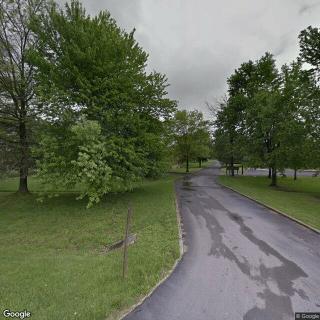
- The location features rolling hills and native trees, offering beautiful nature to enjoy.
- The care for seniors provides mental happiness and physical fitness.
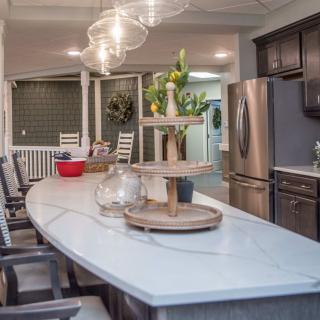
- The upkeep is excellent and very clean.
Cons
 The reviewer is not that happy with Harrods.
- The facility is very small, with only 17 patients.
Review
The Harrod Assisted Living in Harrodsburg, Kentucky is best suited for seniors who want an intimate, family‑owned environment where staff know residents by name and family involvement stays central to daily life. With room for roughly 17 residents, it operates more like a small, neighborly house than a vast campus. The property carries a family feel, and the vibe emphasizes personal attention and flexible, low‑key routines rather than polished, large‑scale programming. For families with nearby relatives, the proximity is a practical asset, and for residents who value trust, comfort, and a quieter pace, this setting can feel like a natural extension of home.
That said, explicit consideration should be given to alternatives if the priority is a robust social life, extensive medical oversight, or an expansive activity calendar. Taller, corporate‑style communities typically offer more therapy options, on‑site amenities, and a larger peer group. If mobility challenges, memory‑care needs, or heavy nursing support are likely, Harrod’s model may require supplementary plans elsewhere. Even with a seemingly reasonable cost profile, the limited scale invites questions about how comprehensively daily living tasks and medical contingencies can be covered without external arrangements.
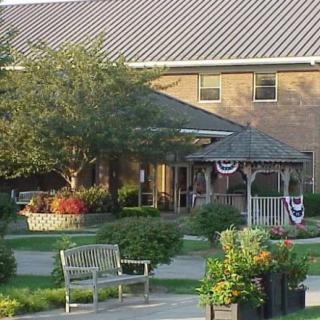
The strongest positives are clear: the upkeep is excellent and the facility reads as clean and well cared for, with staff impressions coming across as courteous and attentive. The surrounding rural setting, rolling Kentucky hills, front porches, and the natural evening chorus of frogs, contributes to mental well‑being and a calming daily rhythm. Several family voices note that care prioritizes happiness and physical comfort, framing wellness as freedom from pain. In a small, home‑like setting, these advantages tend to translate into steady routines, reliable companionship, and a palpable sense of safety and belonging that larger operations may struggle to replicate.
Yet the downsides of small scale cannot be ignored. With just 17 residents, options for socialization and group activities are naturally limited, which can leave some residents feeling a bit secluded or dependent on a single daily routine. One reviewer acknowledged liking the staff but suggested overall satisfaction was not fully realized, signaling that an intimate, homey model may not consistently meet every preference or expectation. The family‑owned framework, while offering flexibility, can also mean variability in what is offered day to day compared with more standardized facilities. Prospective residents should dig into the daily schedule, staffing coverage, and how care evolves when a caregiver is off shift.
For families weighing a choice, Harrod’s advantages align with residents who will thrive on close staff relationships, straightforward logistics, and a peaceful environment that remains easily accessible for regular visits. The cost picture matters for budgets that can tolerate a modest footprint without sacrificing basic dignity and routine. Ask pointed questions about daily care tasks, medication management, and emergency protocols after hours. If possible, request a trial period or a typical day tour to observe firsthand how staff interact with residents and how personal preferences are honored in practice.
Bottom line: The Harrod Assisted Living offers a quietly effective option for seniors who prize intimacy, cleanliness, and a home‑like atmosphere, where staff familiarity and family involvement are real assets and costs stay reasonable. It suits residents who do not require expansive programming or heavy clinical support and who prefer a serene living environment with easy family access. For those needing more residents, richer social opportunities, or broader nursing capabilities, it is wise to explore alternatives that can better match higher needs or more dynamic activity expectations.
 42 resident community capacity
 Assisted Living
 Beauty salon
 Cable or satellite TV
 Dining room
 Fully furnished
 Garden
 Housekeeping services
 Kitchenette
 Move-in coordination
 Outdoor space
 Restaurant-style dining
 Small library
 Telephone
 Wi-Fi/high-speed internet available
 Blue Grass (24 miles away)
 24-hour call system
 Activities of daily living assistance
 Assistance with bathing
 Assistance with dressing
 Assistance with transfers
 Diabetes diet
 Medication management
 Mental wellness program
 Special dietary restrictions



 Understanding Medicaid Coverage for Assisted Living: A Comprehensive Guide
 How and When Medicaid May Cover Assisted Living Costs
 A Detailed Exploration of Assisted Living Medicaid Waivers Across the United States