
203 Fairgrounds Rd # B, Hardinsburg, KY 40143
To contact a resident: (270) 756-5461
For more information about senior living options: (866) 208-4318
Overall Review of Lincoln Trail District Home
Pros
 Dr. Smith saved the patient’s life and quickly got them to a cancer doctor.
- The clinic provides the best possible care with humanity and professionalism, including facilities and referrals to high-quality specialists, delivered with care and promptness.
- They highly recommend this clinic.
- They perform any tests requested and remember patients well.
- The community healthcare is praised for its kindness and courtesy.
Cons
 They don’t take the lead in a patient’s healthcare, leaving the patient to manage it themselves with only a “request for tests.”
- They do not advise on ways to manage issues such as low iron, elevated A1C, or weight.
- They told the patient to take supplements and focused on medications first, offering little other guidance.
- Their guidance led the patient to increase iron intake and nearly suffer iron toxicity.
- They advised returning yearly with no blood pressure check, suggesting they care less about the patient’s health.
- For these reasons, they earned only 2 stars.
Review
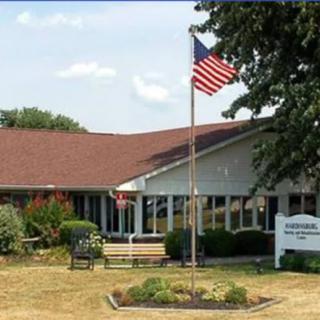
Lincoln Trail District Home in Hardinsburg is best suited for seniors who prize a warm, community-oriented setting and value rapid access to specialists when urgent issues arise. The standout strength is a human-centered staff culture that shows kindness and professionalism in daily interactions, paired with a nimble network that can connect residents to high-quality specialists when needed. In moments of acute concern, residents and families can feel confident that clinicians will mobilize referrals quickly, which is a meaningful safeguard for families seeking timely intervention. This is a setting where the emotional comfort of the elderly and the reassurance that comes from a courteous, responsive team matter just as much as any routine service.
That said, certain families should consider alternatives. The clearest red flag for some is the perception that the care team does not take the lead in managing chronic health issues. For residents who require a tightly coordinated, physician-directed plan, constant monitoring of conditions like anemia, diabetes, or cardiovascular risk, with proactive guidance on lifestyle and medication optimization, the experience described by one reviewer suggests a gap. The expectation that clinicians will translate test results into concrete, ongoing management (dietary adjustments, weight control, or BP strategies) was not met, and that gap created real safety concerns when important issues were left to patient self-management and independent research. If a loved one needs a more assertive, integrated care model, broader networks or larger providers may offer a more hands-on approach.
The strongest positives tie directly to the clinical network and the humane culture. Residents benefit from clinicians who are responsive to test requests and who remember patients well, which supports continuity of care and a sense of being seen. The ability to obtain referrals to top-tier specialists without long delays can be a critical advantage for those with complex health needs. Staff courtesy and a welcoming atmosphere help reduce anxiety and improve adherence to care plans, even when medical leadership on day-to-day management is less robust. In practical terms, these strengths translate into shorter timelines for specialist input and a safer, more reassuring daily environment for many seniors.
Yet the main concerns cannot be ignored. The absence of proactive, guideline-driven health management, where the care team routinely interprets findings, prescribes lifestyle and treatment adjustments, and follows up with scheduled vitals and lab work, risks missed opportunities to stabilize chronic conditions. The specific iron-management anecdote illustrates a broader risk: without proactive guidance, residents may take actions that inadvertently harm themselves. For families, this means the need to insist on formal care plans, scheduled reviews, and a system for tracking vital signs, labs, and medication effects. Without such safeguards, the warmth of the staff cannot fully compensate for gaps in clinical leadership.
From a decision-making standpoint, the facility delivers strong value for those who want a personable, approachable care setting and the convenience of quick specialist access. The rating, an overall 4.4 out of 5, anchored by multiple five-star experiences, reflects genuine satisfaction with the human element and the action-oriented referrals when health issues surface. The single lower rating underscores a legitimate caution: room for improvement exists where the care team must drive or co-create a concrete, ongoing health-management plan rather than waiting for patient-initiated requests. That tension should guide careful deliberation.
Bottom line: Lincoln Trail District Home is a solid fit for families seeking a compassionate, locally rooted environment with reliable access to specialists and a team that treats residents with dignity and warmth. It is less ideal for those who require a consistently proactive, physician-led approach to chronic disease management and shared decision-making. Prospects should prioritize asking for, and documenting, a formalized care plan that includes routine vitals, targeted health goals, and clear responsibilities for both staff and family members. Schedule a thorough tour, press for examples of care plans, and confirm how care coordination is handled across outside providers. If proactive health management is non-negotiable, explore facilities with stronger in-house geriatric care leadership; if the priority is a compassionate community with speedy specialist access, Lincoln Trail District Home warrants serious consideration.





 Compassionate Conversations: How to Comfort Someone Who Is Grieving
 Home Health Care Aides: Understanding Their Role and Supporting Your Family
 Urinary Tract Infections in Older Adults: Comprehensive Insights on Symptoms, Treatment, and Prevention