
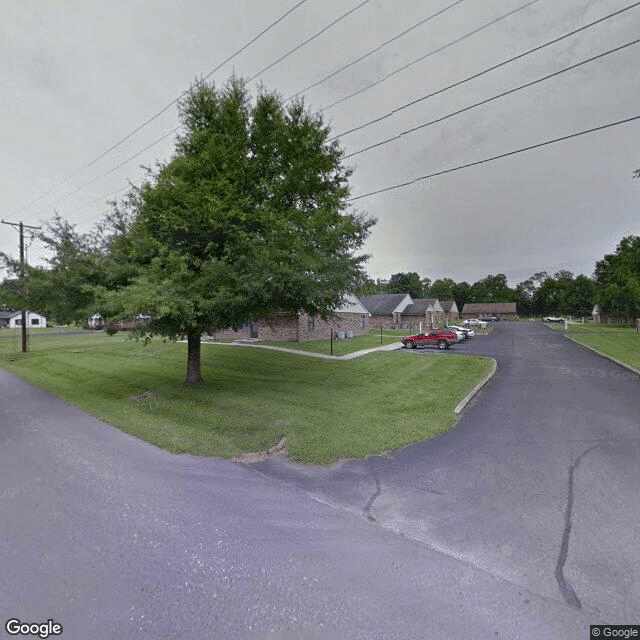
1316 Walnut Street, Crab Orchard, KY 40419
To contact a resident: (606) 355-7405
For more information about senior living options: (866) 208-4318
Overall Review of Orchard Commons I/II
Pros
 The property is clean with well-maintained grounds.
- It is quiet.
Cons
 They never answer the phone.
- The place is unsafe for the elderly, with town tweakers knocking on windows daily and begging for money despite bans.
- An elderly man was threatened and, after defending himself, was evicted instead of being protected for his safety.
- It should be fenced in with a locked gate and security code to keep out the tweakers and other disruptive people.
- Prospective residents should think carefully before moving there.
Review
Orchard Commons I/II in Crab Orchard, KY is best suited for independent seniors who want a clean, quiet, budget-friendly home base and can tolerate limited on-site management. The property achieves a straightforward, low-stress environment with well-maintained grounds and a notably quiet atmosphere, which can be appealing for residents who prefer predictability and minimal interruptions. This is not a setting for those who require regular staff supervision, frequent assistance, or proactive safety oversight. Families relying on a robust, responsive management culture should reconsider or at least temper expectations. The right resident is someone who can manage routine tasks with a self-sufficient mindset, has a dependable local support network, and does not depend on constant staff intervention to navigate daily life. In that context, Orchard Commons can deliver on comfort and calm without the frills of a larger, more service-oriented community.
Those evaluating alternatives should focus on needs that may not align with Orchard Commons’ strengths. If safety monitoring, quick phone access to management, and visible security are non-negotiables, other options will serve better. Prospective residents whose families demand proactive problem-solving, timely communications, and on-site assistance should look for communities with dedicated, responsive managers and clearly articulated care transitions. For seniors who require regular check-ins, help with activities of daily living, or emergency response readiness, Orchard Commons is unlikely to meet expectations. In essence, families prioritizing strong administrative engagement and enhanced security will likely conclude that other facilities provide a more reassuring framework for ongoing care and oversight.
The main pros, cleanliness and quiet, do provide a tangible baseline of comfort that can support a stable daily routine. A well-kept campus reduces maintenance stress and preserves a sense of dignity in a home-like setting. Yet these advantages are not enough to offset the most consequential downsides. The absence of reliable communication channels and apparent security gaps introduces practical and emotional risks that can erode the value of the quiet environment. Clean grounds and a calm exterior cannot compensate for uncertain responsiveness or questions about resident safety. For families weighing this community, the balance tips toward those who can tolerate slower, less predictable management in exchange for ambiance, rather than for those who expect a higher level of service integration and protection.
Specific red flags emerge in the available impressions: staff responsiveness is repeatedly called into question, with a troubling claim that calls go unanswered even after numerous attempts. Safety concerns are raised regarding the surrounding environment, including observations of unauthorized individuals in proximity to residents and a perceived need for stronger perimeter controls, such as fencing or gated access. There is also mention of a serious incident involving an elderly resident and the subsequent eviction, an outcome that suggests management may prioritize certain policy responses over immediate resident safety in crisis scenarios. Taken together, these factors create a climate in which the quiet, clean exterior clashes with real uncertainties about daily security and dependable administrative support. Families should weigh whether a routine, predictable day can be sustained amid such gaps.
To navigate these realities, a practical evaluation plan is essential. Prospective residents should request direct conversations with current or recent residents to separate perceptions from documented policies, and they should tour at different times to gauge consistency in staff presence and responsiveness. Key questions deserve direct answers: what is the typical response time for maintenance requests, emergencies, and general inquiries? what security measures exist on campus, staff patrols, cameras, controlled access, or gate codes, and how are visitors managed? what are the exact eviction and resident conduct policies, and how are safety concerns documented and resolved? obtaining a clear sense of how often maintenance issues surface, how often problems are escalated, and whether any safety upgrades have been implemented will illuminate whether the environment aligns with long-term care expectations.
The bottom-line judgment is decisive. Orchard Commons I/II is a reasonable choice only for independent seniors who prize quiet, cleanliness, and a modest cost structure and who can operate with limited staff intervention. For families that require reliable communication, strong on-site oversight, and proactive safety measures, greener pastures exist elsewhere. Alternatives with visible, responsive management, gated or fortified access, and more robust protocols for resident protection will better serve those worried about unpredictable contact, safety threats, or crisis responsiveness. In short, this community can deliver tranquil everyday living for the right resident, but it demands a tolerance for administrative gaps and security ambiguities that many families will not accept for long-term care commitments.
 Active Adult Communities (55+)
 Home Health Care Aides: Understanding Their Role and Supporting Your Family
 Urinary Tract Infections in Older Adults: Comprehensive Insights on Symptoms, Treatment, and Prevention
 California's Form 602A: An In-Depth Examination of Senior Care Assessment