
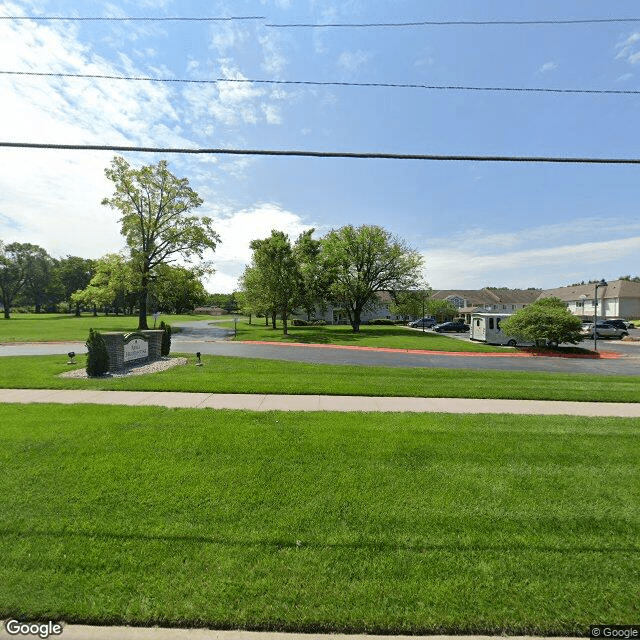
3415 Southwest 6th Ave., Topeka, KS 66606
To contact a resident: (785) 234-6806
For more information about senior living options: (866) 208-4318
Overall Review of Atria Hearthstone East and Wes
Pros
 The place was nice.
Cons
 COVID kept residents behind closed doors and families could not visit.
- The community was not good with the mom.
- The staff were mean to the mom.
- The family had a hard time speaking with their loved ones.
- The community did not put any effort into their care.
- The reviewer would not recommend the community to others.
Review
Atria Hearthstone East and Wes in Topeka is best suited for seniors who prize a well-kept, pleasant living environment and currently require little day-to-day hands-on care. It serves as a workable option for residents who can maintain independence with light support and want a polished, amenity-rich setting. Families should be clear that this community is not a strong fit for those who anticipate needing consistent, proactive caregiving or highly responsive staff. For anyone whose priority is easy access to reliable, attentive assistance, stronger alternatives in the area deserve serious consideration.
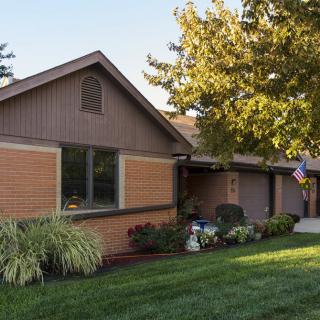
On the upside, the facility presents as a nice, welcoming place. The environment comes across as orderly and comfortable, with an attractive design that can contribute to a sense of normalcy and routine. For residents who value independence, the atmosphere, paired with independent living options, offers a straightforward, low-friction lifestyle where daily life remains structured without heavy caregiving demands. In practical terms, this can translate into fewer disruptions to autonomy and a clearer sense of personal space, which many families rank as a key priority.
Yet the drawbacks are substantial and must be weighed with care. The most critical red flags center on interactions with staff and the perceived quality of care. Reports of mean treatment toward a loved one and significant barriers to obtaining timely information from caregivers hit at the core of what families expect from any assisted-living setting. The sense that staff do not invest effort into individual care creates unease about day-to-day safety, engagement, and overall well-being. In short, a troubling gap between expectations for compassionate, proactive support and actual practice undermines confidence in the community’s ability to meet evolving needs.
Because the pros lean toward atmosphere and autonomy, they only partly offset the main cons. A nice environment matters, but it cannot compensate for care that feels impersonal or dismissive, nor can it erase ongoing communication challenges. For residents who will require more frequent assistance or more responsive caregivers down the line, these issues compound the risk of frustration, isolation, and unmet needs. The practical implication is clear: the allure of a pleasant setting diminishes quickly if reliable care and clear, open dialogue are not demonstrably present and sustained.
Who should consider alternatives? Families prioritizing dependable caregiving, transparent communication, and consistently courteous staff should look elsewhere in Topeka. If the intended plan includes regular updates, proactive care planning, and easy access to those providing help, this community’s current dynamics may fall short. Consider options with stronger reputations for caregiver engagement, better resident-staff rapport, and demonstrated responsiveness in both routine and escalating care needs. For residents contemplating a move that will later require more intensive support, choosing a community with proven strength in care delivery offers greater long-term security.
In practical terms, the decision should hinge on a concrete assessment of fit. During tours, insist on meeting frontline caregivers and observing interactions with residents at meals and activities. Inquire about staffing levels, shift coverage, and how daily notes or updates are communicated to families. Seek recent resident and family references and ask for example care plans that illustrate how changes in needs are managed. If the goal is to preserve independence in a pleasant setting with light support, this community can work; if not, prioritize options that demonstrate consistently attentive care, respectful treatment, and transparent, reliable communication. The right choice aligns a comfortable living environment with dependable, compassionate caregiving, an alignment not assured here.
 Assisted Living
 Independent Living
 Memory Care
 Activities on-site
 Devotional services off-site
 Indoor common areas
 Forbes (8 miles away)
 Ambulatory care
 Diabetic care
 Meals provided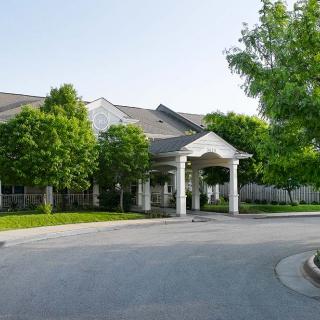



 Dementia-Related Hallucinations: Causes, Experiences, and Practical Approaches
 Illuminating Insights About Alzheimer's Disease: Ten Crucial Realities
 A Thorough Discussion of Medications Potentially Linked to Dementia Risk