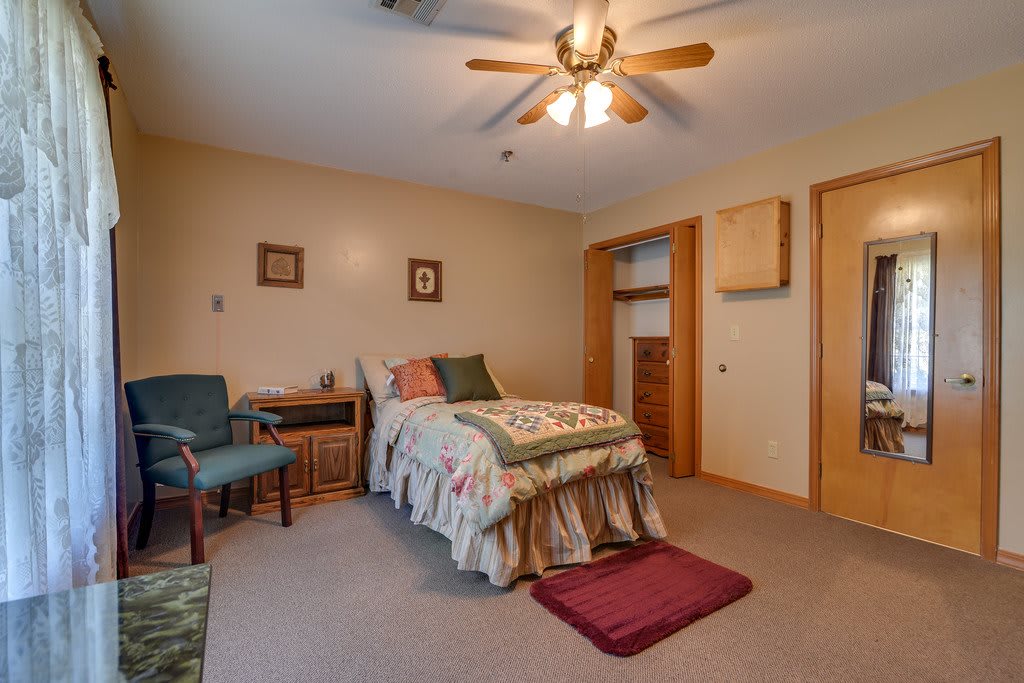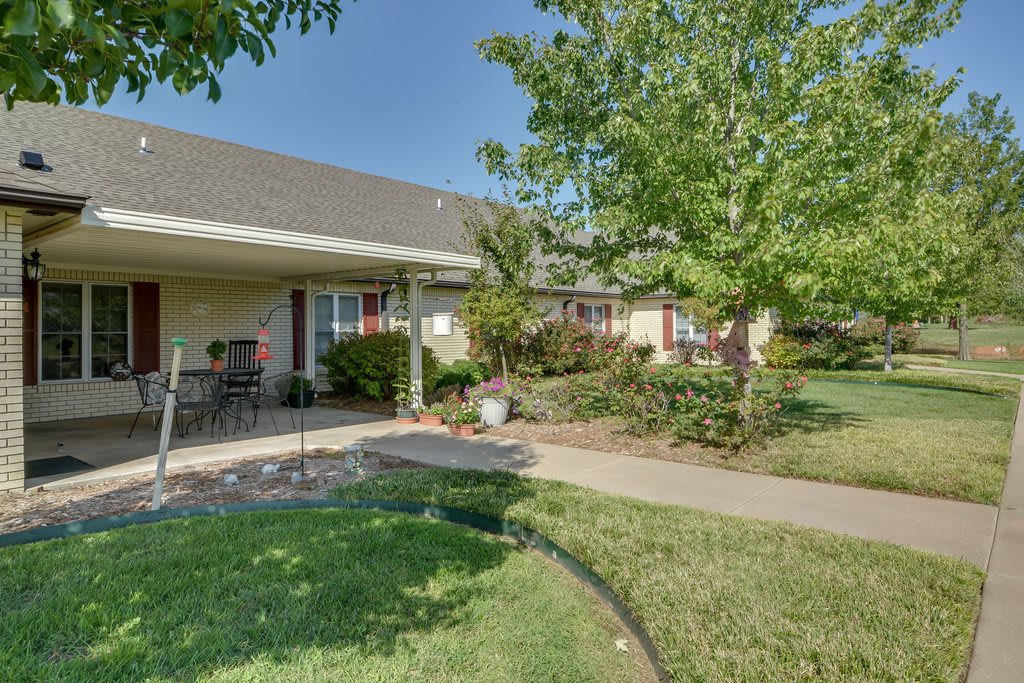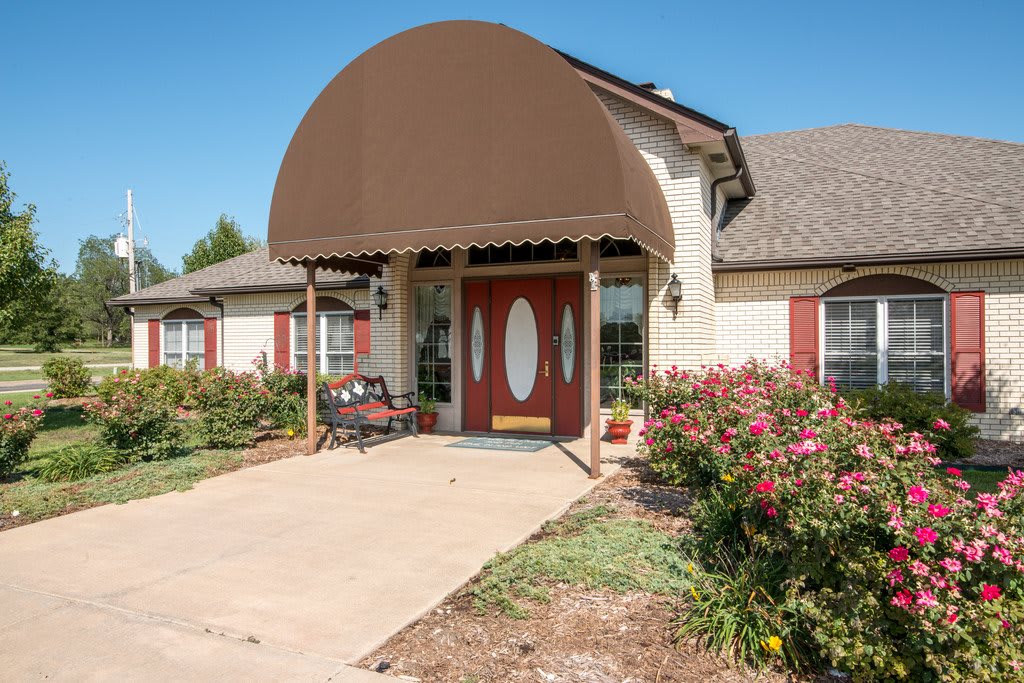
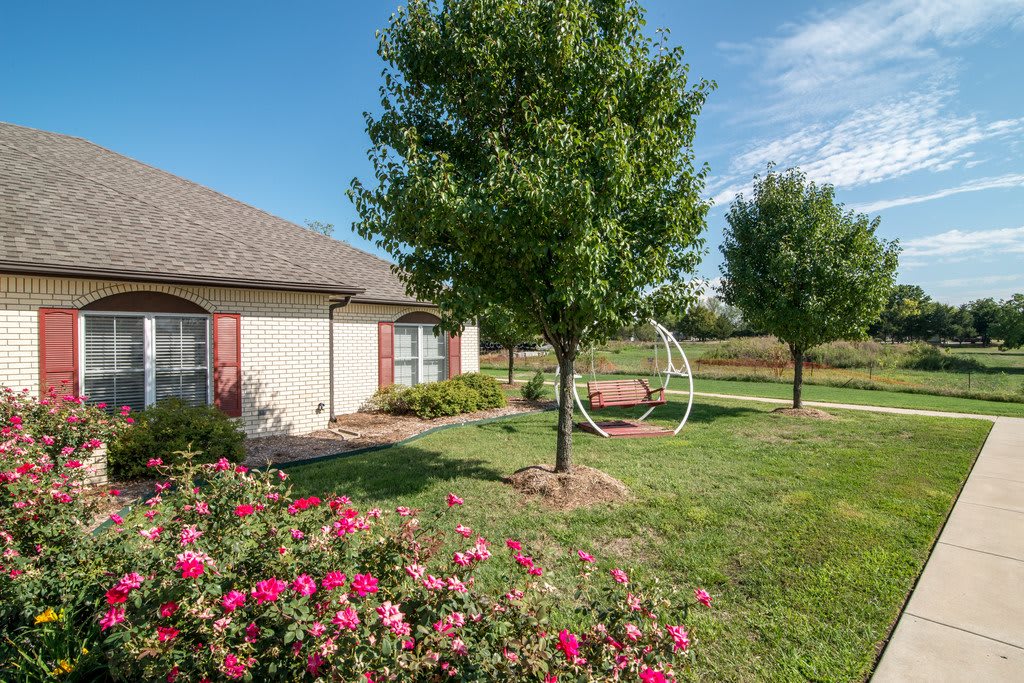
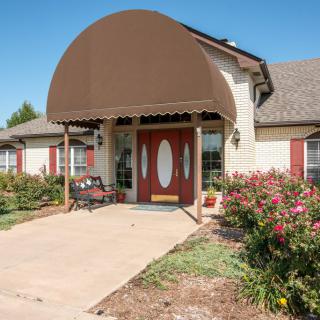
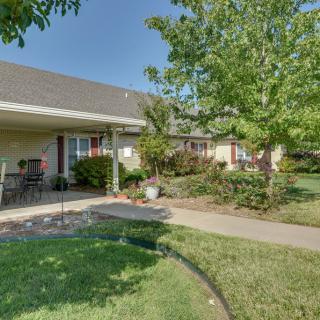
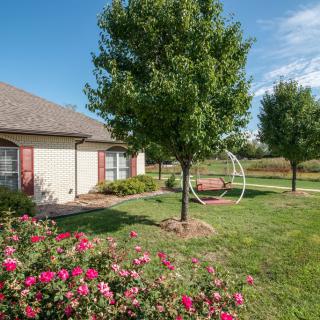
1010 S Commercial St, Oswego, KS 67356
To contact a resident: (620) 795-4750
For more information about senior living options: (866) 208-4318
Oswego Home Place Costs & Pricing
Oswego Home Place offers competitive pricing for its residential options, with monthly costs that align closely with the local Labette County rates. For a semi-private room, residents can expect to pay $2,310, which is consistent with the county average but significantly lower than the state average of $4,562. Similarly, the one-bedroom option is set at $3,030 - a figure that matches Labette County's pricing while remaining more affordable than the Kansas state average of $3,859. This value positioning not only reflects a commitment to accessible living solutions but also highlights Oswego Home Place's alignment with local economic conditions.
| Floor plans | Oswego Home Place | Labette County | Kansas |
|---|---|---|---|
| Semi-Private | $2,310 | $2,310 | $4,562 |
| 1 Bedroom | $3,030 | $3,030 | $3,859 |
Overall Review of Oswego Home Place
Pros
 The staff was very nice and understanding with his needs.
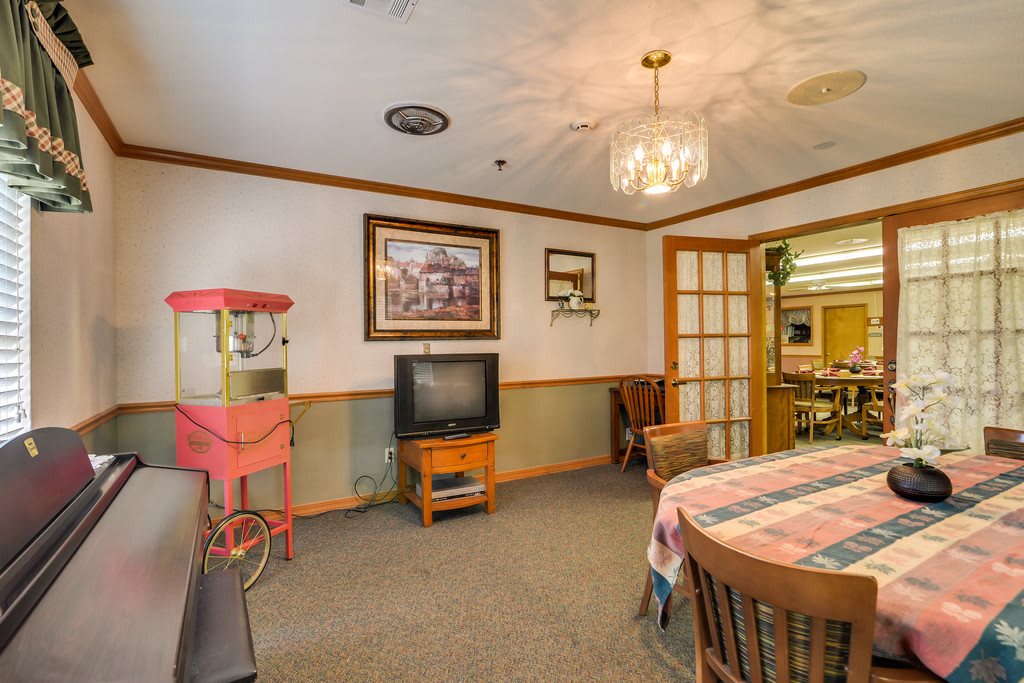
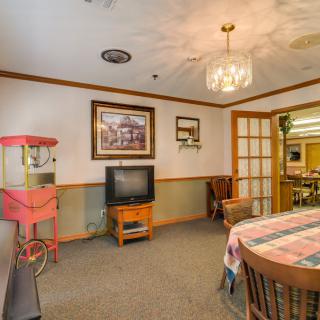
- They do have activities that are offered.
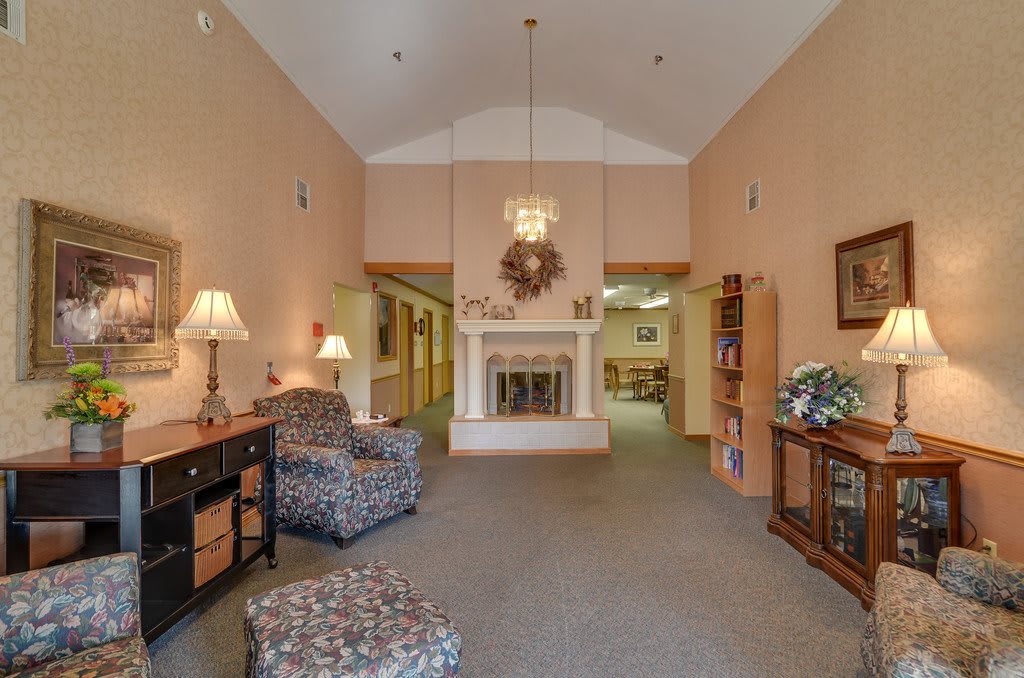
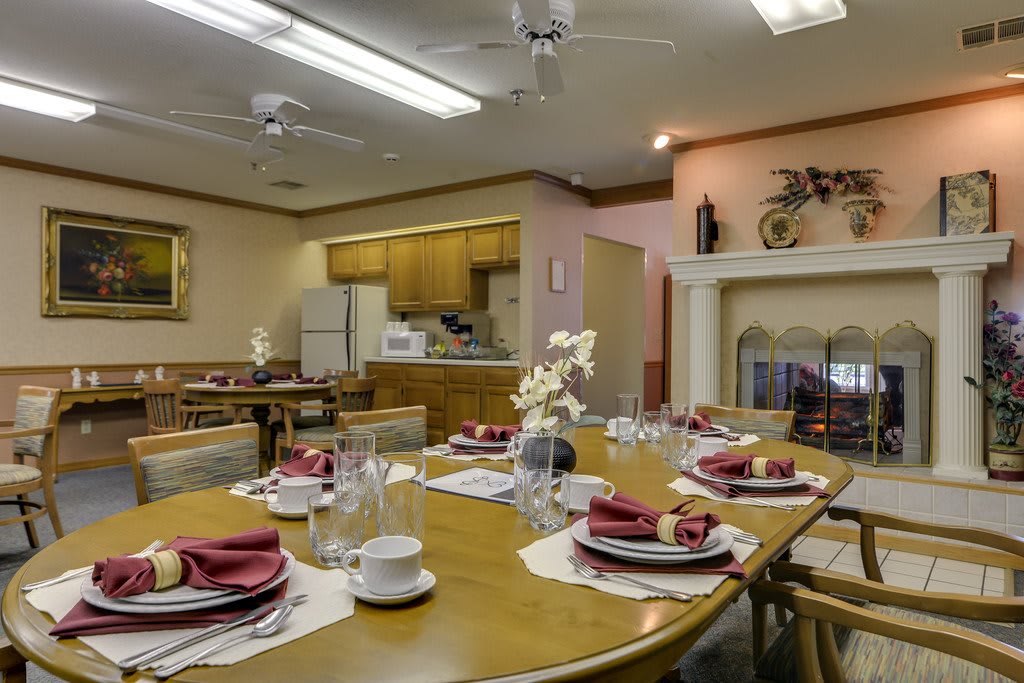
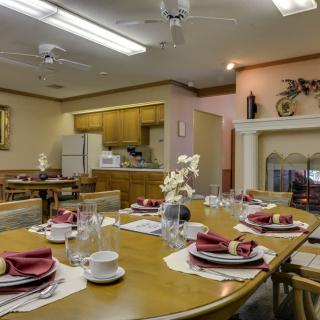
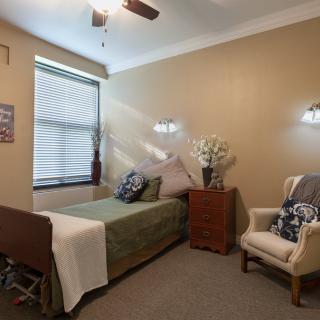
- The community is very nice and clean.
- They would recommend this for good care to families.
Review
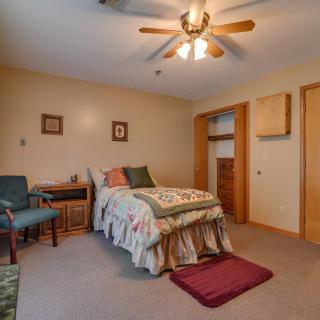
Oswego Home Place is best suited for seniors who want dependable, person-centered care in a clean, comfortable setting. The community earns trust through staff who are described as kind, patient, and quick to understand individual needs, which matters for residents who rely on daily assistance or gentle supervision. For families seeking a calm, orderly environment with predictable routines, this setting delivers. The combination of a well-maintained, homelike atmosphere and accessible activities provides meaningful engagement without overwhelming transitions. In essence, it serves residents who value consistent attention, respectful interactions, and a sense of normalcy in their day-to-day life.
That said, this is not the obvious choice for every situation. Families navigating high-acuity medical needs, complex wound care, or dedicated dementia programming may want to examine facilities with more on-site clinical resources or specialized memory care tracks. Those craving a bustling social calendar, a wide array of therapeutic services, or a broader menu of off-site outings may find the offerings here more modest. Location can also steer decisions; Oswego’s small-town profile is comfortable and easy to navigate, but it may limit access to certain medical partners, transportation options, or metropolitan amenities that some families expect from a longer-term care plan.
The core strengths, attentive staff, available activities, and a clean, welcoming environment, translate into practical, tangible benefits that counterbalance the trade-offs. When daily needs are met with patience and competence, residents experience less stress and more dignity in routine tasks. Structured activities provide purpose and social connection, which reduces isolation and supports cognitive engagement, even if the program isn’t sprawling. A tidy, well-kept setting lowers anxiety for new residents and reassures families during transitions, making it easier to trust that care will be steady over time.
Still, the scale of a smaller community naturally introduces limits. There may be fewer on-site specialists, a leaner offering of rehabilitation services, and less variety in programming than larger campuses. For a resident who requires intensive therapy, frequent nurse practitioner visits, or highly specialized care plans, those gaps can matter. The quiet pace, appealing for many, could feel constraining for someone who thrives on constant activity or needs a broader ecosystem of support. These trade-offs are worth weighing against the comfort, consistency, and personal attention the home environment consistently delivers.
But the pros strongly offset the potential downsides for families prioritizing steady, compassionate care over breadth of services. The emphasis on individualized attention means staff can adapt activities to personal interests, enabling meaningful engagement without requiring residents to fit a rigid schedule. Reliable oversight and clear family communication further reduce uncertainty, turning daily caregiving into a collaborative, reassuring process. For many, the most important outcome is feeling that a loved one is known, respected, and well cared for within a friendly community that feels like home.
In practical terms, Oswego Home Place is a sensible pick for families seeking a dependable care option in a clean, congenial setting where staff engagement and routine activities create everyday comfort. It works best when the priority is reliable daily support, respectful interactions, and a stable environment rather than expansive programming or high-intensity medical services. Prospective residents and families should visit, observe how staff interact with residents, and discuss care planning in depth to confirm alignment with individual needs and expectations. For those with moderate care needs and a preference for a smaller, intimate community, Oswego Home Place warrants strong consideration.
 Assisted Living
 Cats allowed
 Dogs allowed
 Activities on-site
 Air-conditioning
 Beautician on-site
 Devotional services off-site
 Ground floor units
 Handicap accessible
 Indoor common areas
 Outdoor common areas
 Respite or short term stays offered
 Ambulatory care
 Diabetic care
 Incontinence care
 Medication management
 Guest meals
 BBQs or picnics
 Birthday parties
 Day trips and outings
 Live musical performances
 Live well programs
 Trivia games

 Exploring the Path to Senior Living: A Comprehensive Look at Independent Living and Assisted Living
 Is Assisted Living Deductible on Your Taxes? Understanding the Complexities of Assisted Living Expenses and Deductions
 Assisted Living Support for Veterans: A Complete and Detailed Overview