

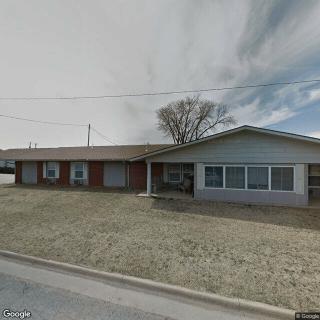
115 E Main St, Harper, KS 67058
To contact a resident: (620) 896-7843
For more information about senior living options: (866) 208-4318
Overall Review of Harper County Health Dept
Pros
 They are super kind.
- They are totally professional.
- The reviewer has had an amazing experience every time they have gone here.
Review
Harper County Health Department’s senior services are best suited for families seeking a dependable, respectful care experience where warmth from staff is the defining attribute and professional standards are visibly upheld. The single positive account frames the setting as one where interactions feel genuinely kind and carefully managed, with consistency across visits. That combination, kindness paired with professionalism, creates a trustworthy baseline for residents who want straightforward navigation of appointments, clear communication, and predictable behavior from care teams. In short, this option shines for seniors who prioritize humane treatment and reliable, courteous service over novelty or high-end amenities.
Those who may want to consider alternatives include families seeking a broader service menu or a more independent living vibe. If the goal is robust social programming, expansive activity calendars, or specialized care tracks (memory care, intensive rehab, or private-pay luxury accommodations), other communities will likely offer more extensive options. Programs with larger staff rosters, more frequent resident engagement, or greater emphasis on lifestyle amenities can deliver a pace and breadth that public-health-based settings typically do not emphasize. For families with complex medical needs or strict private-pay expectations, exploring additional providers is prudent.
From the available feedback, the strongest pro is unmistakably the staff’s warmth and professionalism. The described experience, consistently positive, polite, and capable, translates into tangible benefits: smoother check-ins, clearer explanations, and a care process that feels coordinated rather than fragmented. When staff interactions are both courteous and competent, families gain confidence in daily oversight, which can ease transitions and reduce caregiver strain. That pro, by itself, can materially offset concerns about impersonality or miscommunication that sometimes accompany public-health facilities. Yet, the lack of any stated drawbacks in the review means potential gaps remain unexposed; the balance hinges on corroborating experiences across multiple visits and with a broader roster of residents.
Practically, families evaluating this option should verify several specifics before deciding. Inquire about exact services covered by the facility, including medical oversight, transportation, meal provision, and assistance with daily activities. Clarify eligibility criteria, wait lists, referral pathways, and the process for coordinating with external healthcare providers. Request recent licensing or inspection reports, understand any potential fees outside of standard funding streams, and ask for opportunities to interview staff or observe a typical day. It’s also wise to assess accessibility for ongoing appointments, the ease of scheduling, and whether family members can participate in care planning meetings. These details increasingly determine whether the warmth cited in a single review can be consistently reproduced.
Ultimately, the decision rides on aligning priorities with observed strengths. If reliable, compassionate staff and straightforward operations are non‑negotiable, and if the plan emphasizes stable, supportive interactions over high-end embellishments, this Harper County program stands out as a compelling option. The single positive account signals a real capability to deliver respectful, professional care experiences; what remains essential is confirming that this level of service is replicable across months and among a range of residents. Families should pursue additional firsthand impressions, request trial visits, and compare with alternatives that offer broader care tiers and amenities. When warmth and professionalism are nonnegotiable criteria, this facility earns serious consideration, with the caveat that broader due diligence will ensure the choice holds up under longer-term needs.


 Home Health Care Demystified: A Comprehensive Guide for Families and Caregivers
 Seniors and Modern Transportation: Exploring Uber, Lyft, and Other Ride-Hailing Options
 Comprehensive Guide to Qualifying for Home Health Care Services