
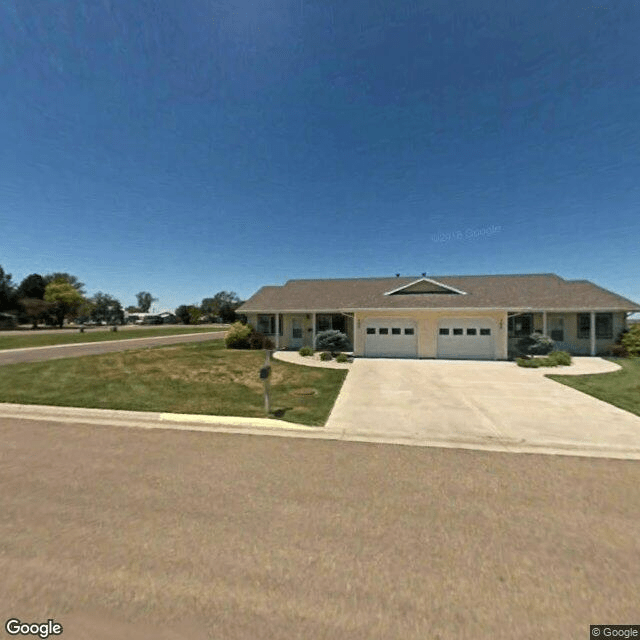
707 Wheat Ridge Circle, Goodland, KS 67735
For more information about senior living options: (866) 208-4318
Overall Review of Wheat Ridge Acres Assisted Living
Pros
 Wheatridge Acres was a nice place for her grandmother.
- She hardly complained at all, a big achievement for her.
- She loved the activities.
- She showed excitement when she got to see her neighbors and was always active in activities like Bingo and church.
- It was a great place.
Review
Wheat Ridge Acres Assisted Living in Goodland, Kansas is best suited for seniors who prize a warm, socially vibrant environment where staff build real relationships and neighbors look out for one another. The narrative around the community centers on a resident who thrived on interaction and activities. She loved the daily program, showed real enthusiasm when she spotted neighbors, and stayed active in events like Bingo and church. The family’s experience suggests that the atmosphere is more about companionship, community, and shared routines than about clinical intensity. For families seeking a place that feels like a well-loved neighborhood, this community delivers on that emotional and social core.
Those who may want to consider alternatives include families whose loved ones require robust medical oversight, extensive rehabilitation after a hospital stay, or specialized memory care. The review notes a period of rehabilitation elsewhere for a hip injury, underscoring that Wheat Ridge Acres may not document or guarantee on-site, intensive rehab capabilities. There is no explicit mention of memory-care services or advanced clinical support in the account, which means families with higher medical or cognitive needs should verify what is available on-site and whether transfer arrangements to more capable facilities might be necessary if health declines.
The strongest pros here center on social vitality and meaningful staff relationships. The resident described as thriving at Wheat Ridge Acres found purpose in activities and social engagement, which in turn fostered a sense of belonging and stability. The staff’s impact is underscored by the emotional reaction to leaving: after weeks in rehab and then a downturn in health, the resident lamented not being able to stay, and cried at the prospect of separation from familiar staff and friends. Those elements, the reliable presence of staff, the continuity of daily programs, and the chance to share time with neighbors, are meaningful counters to the absence of detailed medical offerings. In practical terms, for a resident who values community, the quality of interaction can translate into a high quality of daily life.
That anecdotal warmth does come with caveats. The single review does not spell out a full menu of clinical services, nor does it confirm on-site rehab or memory-care options. For families facing uncertain health trajectories, the lack of explicit medical capacity can be a deciding factor. Yet the same review demonstrates that when a resident can participate in group activities and maintain social ties, happiness and emotional well-being can be preserved even if health needs shift. The risk is that without clear medical coverage, the community works best as a central home base for someone who can manage most days with assistance and companionship, rather than as a medical hub or the sole source of complex care.
For families evaluating the fit, practical steps align with the realities described. Confirm the level of care available on site, including nursing supervision, medication management, and any rehabilitation services, and ask for current resident-to-staff ratios. Review the activity calendar to ensure a diverse slate beyond the social staples of Bingo and church, and verify transportation or hosting of faith-based services if those are important. Visit during different times of day to observe how staff interact with residents, and conversations with current residents can reveal how lasting these bonds are. If spirituality, routine social events, and a sense of belonging are priorities, these factors often predict satisfaction more reliably than square footage or amenities.
In the end, Wheat Ridge Acres presents a practical, heartfelt option for families seeking a homey, socially engaged setting where staff relationships and community participation create daily happiness. The vivid, remit-like impact on the resident, finding joy in activities, forming bonds, and longing to return after illness, is a compelling signal of value. However, for loved ones whose care needs extend into intensive medical oversight, memory care, or rehabilitation, this community should be evaluated alongside facilities that explicitly publish those clinical capabilities. Decisions should hinge on whether the emotional climate and social fabric can sustain quality of life as health needs evolve, or whether a more medically equipped option is warranted.
 50 resident community capacity
 Assisted Living
 Independent Living
 Beauty salon
 Cable or satellite TV
 Dining room
 Fully furnished
 Garden
 Housekeeping services
 Kitchenette
 Move-in coordination
 Outdoor space
 Telephone
 Wi-Fi/high-speed internet available
 24-hour call system
 Activities of daily living assistance
 Assistance with bathing
 Assistance with dressing
 Assistance with transfers
 Diabetes diet
 Meal preparation and service
 Medication management
 Mental wellness program
 Special dietary restrictions
 Transportation arrangement (medical)
 Transportation to doctors appointments
 Comprehensive Insights into Activities of Daily Living (ADLs) and Their Assessment
 Guiding Elderly Parents Who Refuse Assisted Living: 6 Practical Steps
 Your Comprehensive Guide to Luxury Assisted Living: Elevated Facilities, Amenities, and Costs