
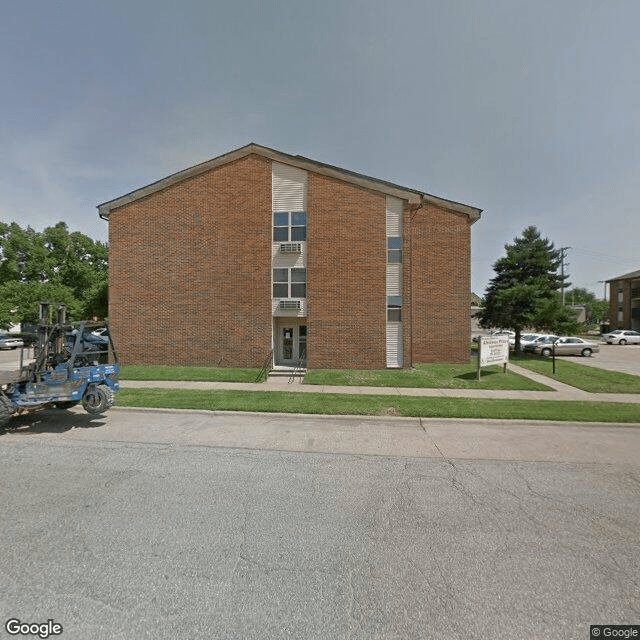
510 NW 2nd Street, Abilene, KS 67410
To contact a resident: (785) 263-7474
For more information about senior living options: (866) 208-4318
Overall Review of Abilene Plaza L.P.
Pros
 The reviews highlight a commitment to accountable landlord practices and transparency.
- They underscore the importance of pest control and maintaining clean, safe properties.
- The reviewers advocate for safety and drug-free surroundings near schools.
- They emphasize addressing tenant concerns in public forums to improve living conditions.
- The reviews reflect a broader dedication to improving housing conditions and community safety.
Cons
 The reviews describe the property as bedbug-infested and portray the landlord Mary as throwing hissy fits when informed and as lying about the situation.
- They allege the landlord tries not to pay for pest control and even refuses rent, suggesting the landlord should be called out publicly and take responsibility.
- The property is characterized as nasty and disgusting due to perceived neglect by the landlord.
- They claim drug activity is across the street from a school, attributed to the tenant Eric Enslow and others living there without management’s knowledge, with management limited in what they can do.
Review
Abilene Plaza L.P. in Abilene, Kansas is not a fit for seniors who require reliable care, a clean living environment, and steady, respectful management. This community is best understood as a last-resort option for families who must stay in the area and can tolerate ongoing pest problems and unstable property oversight. The evidence available draws a straight line: dependable upkeep, predictable routines, and safety are not consistently present here. For families prioritizing dignity, hygiene, and clear communication about care, this property fails to meet the minimum standards expected in assisted living contexts.
Those evaluating options for a loved one should consider alternatives without hesitation. If safety, cleanliness, and proactive management are priorities, seek communities with documented pest-control policies, transparent maintenance schedules, and on-site administrators who respond promptly to concerns. Strong references from current residents, verifiable inspections, and positive reports about staff stability are not ancillary perks here; they are essential benchmarks. In short, other facilities offer a far more credible foundation for aging in place, and those paths should be pursued first.
From a decision-focused vantage point, the few practical advantages that might be inferred are not evidenced in the available information. There is no clear, substantive list of strengths, such as robust programming, reliable housekeeping, responsive caregiving, or established safety procedures, that could counterbalance the dominant drawbacks. The cons are so pronounced that any marginal upside would have to be proven through verifiable, ongoing quality indicators, which are not documented in these reviews. The absence of credible positives means the risk-to-benefit balance cannot tilt in favor of choosing this community.
The core red flags center on pest issues and governance. A bedbug infestation is described as a live, ongoing problem, with complaints directed at the landlord’s handling and accountability. Reports claim the landlord, identified as Mary, reacts defensively and is allegedly unreceptive to pest-control commitments, casting doubt on the ability to maintain a healthy, safe living space. Compounding this are concerns about flexibility and honesty in management, with accusations of misrepresentation and a reluctance to address legitimate maintenance needs. When basic hygiene and infestations become the baseline expectation, the environment ceases to be workable for frail seniors or their families.
Additional strain comes from surrounding safety concerns that are hard to overlook. One review references drug activity across the street from a school, suggesting neighborhood risk that could affect residents’ peace of mind and daily routines. The involvement of a tenant named Eric Enslow, alleged to have people living on the property without management knowledge, further erodes confidence in oversight and security. In assisted living terms, the combination of pest problems, questionable landlord conduct, and nearby safety hazards creates an environment that is not conducive to the steady, predictable living many families seek.
In practice, families evaluating this community should adopt a rigorous screening mindset. Demand a formal pest-control plan with independent verification, insist on a transparent maintenance log, and request direct confirmation from a licensed administrator about response times and accountability. Visit unannounced to observe cleanliness, noise levels, and how staff handle day-to-day concerns. Speak with current residents and their families about responsiveness, safety, and overall quality of life. If those assurances fail to materialize, move quickly to options with proven track records in pest management, ethical governance, and safe neighborhood dynamics. In short, this is not a viable default choice for most seniors; the prudent course is to pursue other communities that deliver the stability, care, and peace of mind essential to aging well.
 Active Adult Communities (55+)
 Cats allowed
 Dogs allowed

 Recognizing the Journey: Understanding and Navigating Anticipatory Grief
 Encouraging Participation in Adult Day Care: A Guide to Supporting a Hesitant Parent
 Comprehensive Exploration of Living Wills and Other Advance Directives